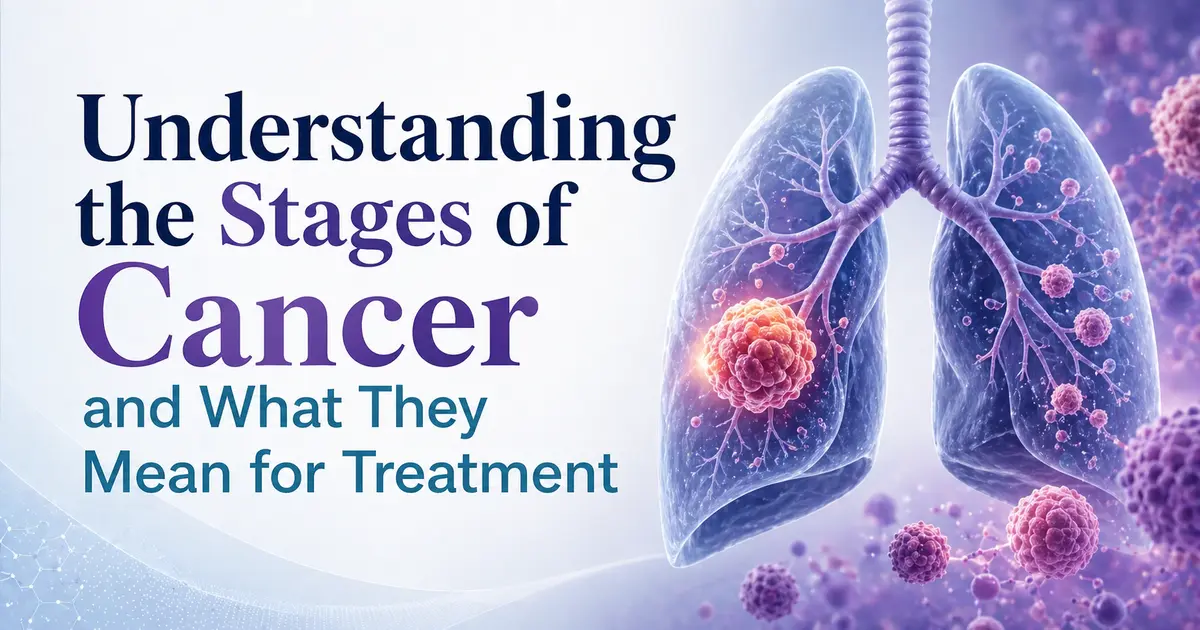
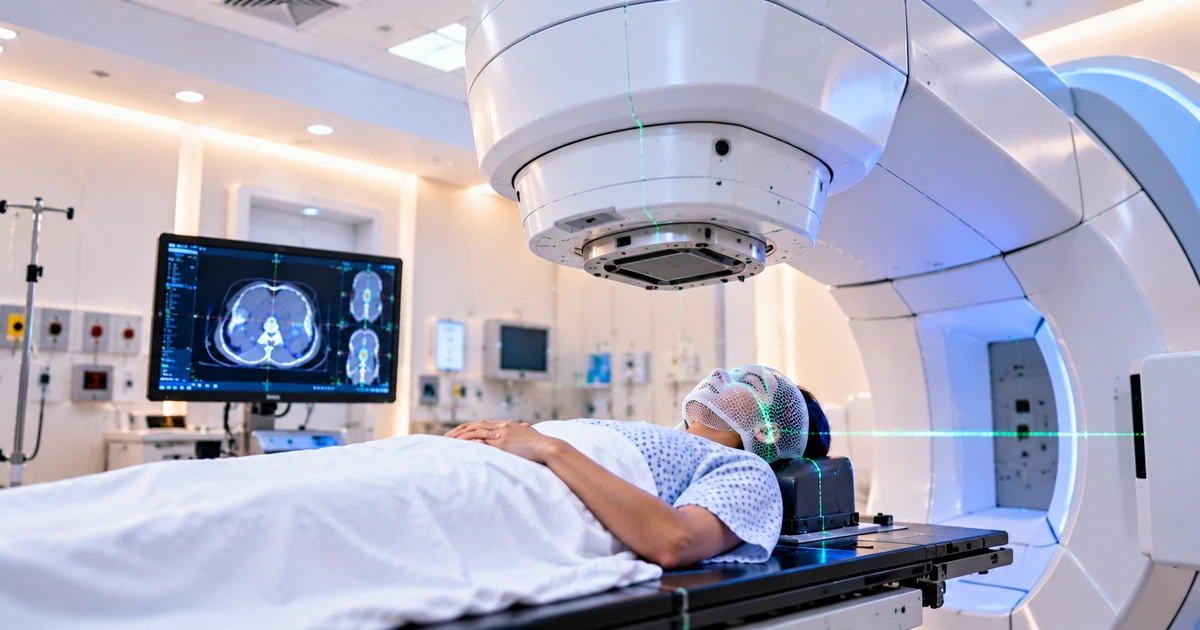
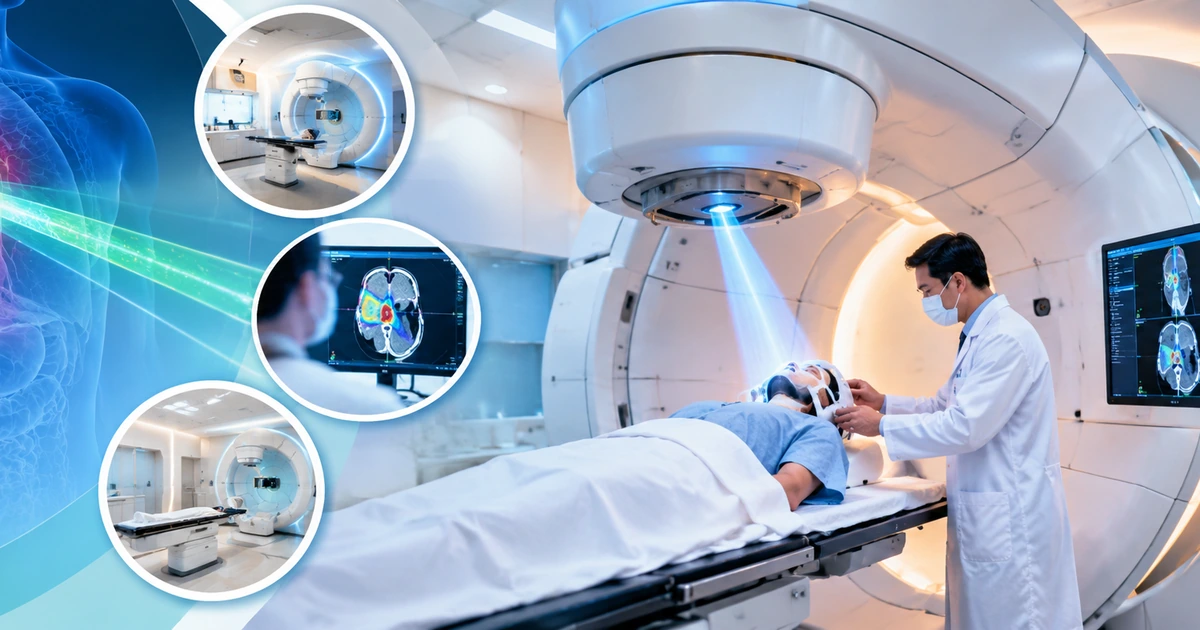
When someone is diagnosed with cancer, one of the first questions is: “What stage is it?” The stage describes how much cancer is in the body and how far it has spread. It is one of the most important factors in deciding treatment and understanding what to expect. This guide explains how many stages of cancer there are, what each stage means, the difference between stage and grade, and how staging guides treatment.
What Is Cancer Staging?
Cancer staging is the process of finding out the size of a tumour and whether it has spread from where it started. Staging gives the whole care team – surgeons, medical oncologists and radiation oncologists – a common way to describe the cancer and plan treatment. It is usually done soon after diagnosis, using scans, biopsies and other tests.
How Many Stages of Cancer Are There?
There are five main stages of cancer, numbered 0 to 4 (often written in Roman numerals as Stage 0, I, II, III and IV). Stage 0 is the earliest, and Stage 4 is the most advanced. In everyday conversation people often refer to “the four stages of cancer,” meaning Stages 1 to 4, with Stage 0 describing very early, pre-invasive changes.
There is no Stage 5 – Stage 4 (also called advanced or metastatic cancer) is the most advanced stage. The exact meaning of each stage can vary slightly depending on the type of cancer.
Why Cancer Staging Matters
The stage of a cancer helps doctors:
- Choose the most effective treatment
- Estimate how the cancer is likely to behave (prognosis)
- Decide whether surgery, radiation, chemotherapy or a combination is needed
- Compare outcomes and consider clinical trial eligibility
Two people with the same type of cancer can need very different treatment simply because their cancers are at different stages.
The TNM Staging System
Most cancers are staged using the TNM system, which looks at three things:
- T (Tumour) – the size of the primary tumour and how far it has grown into nearby tissue.
- N (Nodes) – whether cancer has spread to nearby lymph nodes, and how many.
- M (Metastasis) – whether cancer has spread to distant parts of the body.
The Stages of Cancer: Stage 0 to Stage 4
- Stage 0 – Abnormal cells are present but have not spread. Often called “in situ,” this is very early and usually highly treatable.
- Stage 1 – A small cancer that has not spread to lymph nodes or other organs (early stage).
- Stage 2 – The tumour is larger or has grown deeper, and may involve nearby lymph nodes.
- Stage 3 – The cancer is more advanced locally, with greater spread to nearby lymph nodes or tissues.
- Stage 4 – The cancer has spread to distant organs. This is also called advanced or metastatic cancer.
A lower number means the cancer is more contained; a higher number means more spread.
What Does “Advanced” or “Locally Advanced” Cancer Mean?
These terms often cause confusion:
- Locally advanced cancer has grown beyond its starting point into nearby tissues or lymph nodes, but has not spread to distant organs. It is often Stage 3 and can frequently still be treated with intent to cure, using a combination of therapies.
- Advanced or metastatic cancer (Stage 4) has spread to distant parts of the body. Treatment focuses on controlling the disease, relieving symptoms and maintaining quality of life.
Understanding this difference matters, because “advanced” does not always mean the cancer has spread throughout the body.
Cancer Stage vs Cancer Grade – What’s the Difference?
These two terms are often confused but mean different things:
- Stage describes how much cancer there is and where it has spread.
- Grade describes how abnormal the cancer cells look under a microscope and how quickly they are likely to grow.
A low-grade cancer tends to grow slowly, while a high-grade cancer is more aggressive. Doctors use both stage and grade together to plan the right treatment.
How Doctors Determine the Stage
Staging usually combines several tests:
- Physical examination and medical history
- Imaging scans such as CT, MRI and PET-CT to see the size and spread of the tumour
- Biopsy to confirm the cancer type and grade
- Blood tests and, for some cancers, a bone marrow test
Accurate imaging is central to staging. Onco-Life offers advanced PET-CT scan in Mumbai and CT scan in Navi Mumbai through its Pune-region centres to support precise staging.
What Each Stage Means for Treatment
Treatment is tailored to the stage, cancer type and the patient’s overall health:
- Early stages (0–1) are often treated with surgery alone, sometimes with local radiation. A surgical oncologist in Pune leads care when surgery can remove the tumour completely.
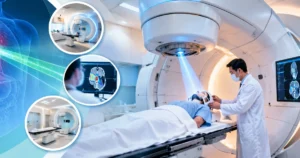
- Middle stages (2–3) frequently need a combination – surgery plus radiation therapy in Pune and/or chemotherapy to reduce the risk of the cancer returning.
- Advanced stage (4) is usually managed with systemic treatment such as chemotherapy in Pune, targeted therapy or immunotherapy, along with supportive and palliative care.
Chemotherapy can be used at almost any stage – before surgery to shrink a tumour, after surgery to lower recurrence risk, or as the main treatment for advanced disease. Early-stage cancers generally have more treatment options and better outcomes, which is why timely diagnosis matters so much.
Stage 4 Cancer: Life Expectancy and Treatment
A Stage 4 diagnosis is serious, but it does not follow a single fixed path. Life expectancy varies widely depending on the cancer type, its biology, the treatments available and the person’s overall health. With modern targeted therapy, immunotherapy and chemotherapy, many people with advanced cancer live well for years, and treatment increasingly focuses on controlling the disease while protecting quality of life. The most reliable guidance for any individual comes from their own oncologist, who can consider the specific details of their diagnosis.
Can the Stage Change?
The stage assigned at diagnosis stays as a reference point, even if the cancer later grows or shrinks. If cancer returns or spreads, doctors describe it as a recurrence and may re-assess (restage) to plan the next steps. Staging can also be clinical (based on scans and exams before surgery) or pathological (based on tissue removed during surgery), which gives more detail.
Staging and Treatment at Onco-Life
Onco-Life Cancer Centre is a NABH-accredited oncology network across Maharashtra, with surgical, medical and radiation oncologists working together to stage and treat cancer under one roof. Patients can begin diagnosis and treatment at the Satara, Chiplun, Talegaon or Wagholi (Pune) centres, and those from nearby regions can access a cancer hospital in Solapur area through the Satara centre. Eligible patients are covered under MJPJAY and PM-JAY (Ayushman Bharat) schemes.
Frequently Asked Questions