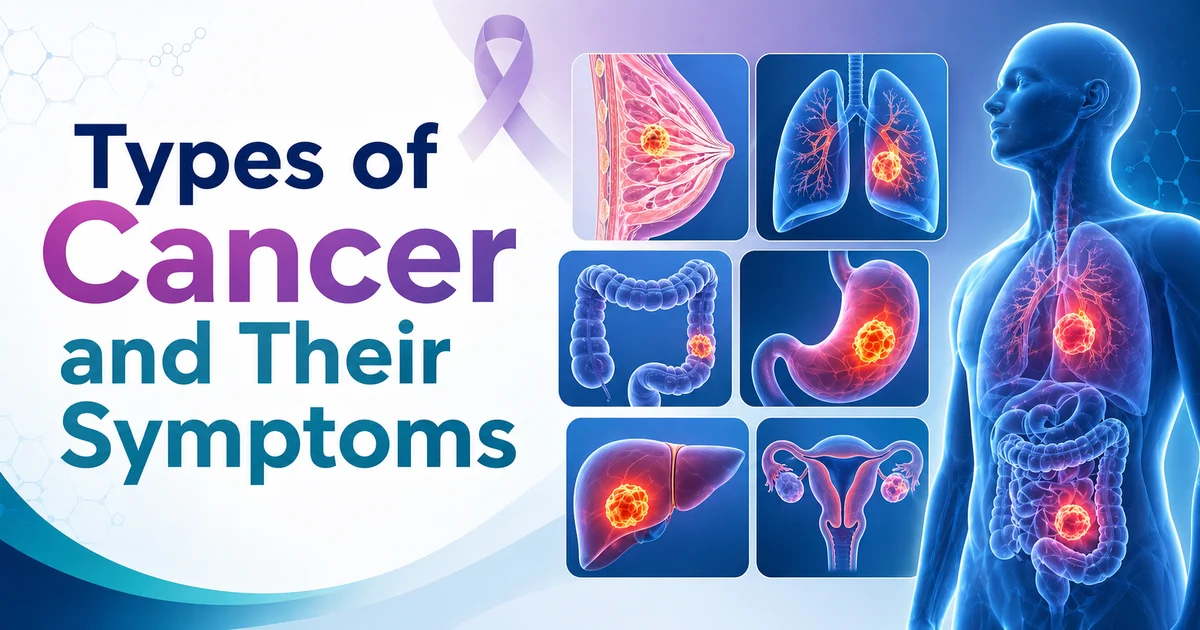
1. Breast Cancer
Breast cancer is the most commonly diagnosed cancer in Indian women and can also affect men. Regular self-examination and mammogram screening for women over 40 improve the chances of early detection.
Symptoms:
- A lump or thickening in the breast or underarm
- Change in the size, shape, or contour of the breast
- Dimpling, puckering, or a pulled-in look of the skin
- Nipple inversion or unusual discharge, especially if bloody
- Redness, scaliness, or persistent rash of the nipple or breast skin
Most breast pain is not cancer, but any new change that lasts more than a few weeks needs clinical evaluation.
2. Lung Cancer
Lung cancer is a leading cause of cancer death worldwide and affects both smokers and non-smokers. In India, indoor air pollution and passive smoking are added risk factors.
Symptoms:
- A persistent cough that worsens over weeks
- Chest pain that intensifies with deep breathing, coughing, or laughing
- Coughing up blood, even in small amounts
- Hoarseness or a change in voice
- Unexplained weight loss and loss of appetite
- Shortness of breath and fatigue
- Recurrent respiratory infections such as bronchitis or pneumonia in the same area
3. Prostate Cancer
Prostate cancer mostly affects men over 50. Early-stage prostate cancer often has no symptoms, which is why screening after 50 (or after 45 if there is a family history) is worth discussing with a urologist.
Symptoms:
- Difficulty starting urination or a weak, interrupted stream
- Frequent urination, especially at night
- Blood in the urine or semen
- Erectile difficulty
- Persistent pain in the hips, lower back, or pelvis
4. Colorectal Cancer
Colorectal cancer affects the colon and rectum and is a leading cause of cancer-related death globally. Screening colonoscopy can detect and remove precancerous polyps before they turn cancerous.
Symptoms:
- Persistent change in bowel habits, including diarrhoea or constipation
- Blood in the stool or rectal bleeding
- Abdominal discomfort, cramping, or a feeling that the bowel does not empty fully
- Unexplained weight loss
- Ongoing fatigue and weakness
5. Skin Cancer
Skin cancer is one of the most common cancers globally, with melanoma being the most serious form. In India, skin cancer is less common but still important, particularly for those with high sun exposure.
Symptoms:
- New growths or sores that do not heal
- Changes in an existing mole, including size, shape, colour, or texture
- Itchy, tender, or bleeding lesions
- Moles with irregular borders, uneven colour, or a diameter larger than 6 mm
6. Bladder Cancer
Bladder cancer is more common in men than women and is strongly linked to smoking and occupational exposure to certain chemicals.
Symptoms:
- Blood in the urine, often painless
- Frequent urination
- Pain or burning during urination
- Lower back pain on one side
- A feeling of needing to urinate without being able to
7. Non-Hodgkin Lymphoma
Non-Hodgkin lymphoma is a cancer of the lymphatic system and can develop at any age. It includes many subtypes of blood cancer.
Symptoms:
- Painless swelling of lymph nodes in the neck, armpit, or groin
- Persistent fever and night sweats
- Unexplained weight loss
- Ongoing fatigue
- Abdominal pain, swelling, or feeling full quickly
- Chest pain, cough, or trouble breathing
8. Kidney Cancer
Kidney cancer, also called renal cell carcinoma, typically affects adults over 50. It often produces no symptoms in early stages and is sometimes discovered incidentally on a scan.
Symptoms:
- Blood in the urine
- Persistent pain in the back or side, just below the ribs
- A lump in the abdomen or side
- Unexplained weight loss
- Ongoing fatigue
- Intermittent fever unrelated to infection
9. Pancreatic Cancer
Pancreatic cancer is one of the most challenging cancers because symptoms often appear only after the disease has spread. Early evaluation of persistent digestive symptoms is important.
Symptoms:
- Jaundice (yellowing of the skin and eyes)
- Dark urine and pale, greasy stools
- Itchy skin
- Pain in the upper abdomen that radiates to the back
- Unexplained weight loss and loss of appetite
- Nausea, vomiting, or new-onset diabetes
10. Leukaemia
Leukaemia is a cancer of the blood-forming tissues, including bone marrow. It leads to the overproduction of abnormal white blood cells that interfere with normal blood function.
Symptoms:
- Persistent fever and chills
- Ongoing fatigue and weakness
- Frequent or unusual infections
- Unexplained weight loss
- Swollen lymph nodes, liver, or spleen
- Easy bruising, nosebleeds, or bleeding gums
- Tiny red spots on the skin (petechiae)
- Bone or joint pain
11. A Note on Cancers Common in India
Two cancers deserve special mention for Indian readers, because they carry a disproportionately high burden here.
Oral cancer is one of the most common cancers in Indian men, largely due to tobacco chewing, smoking, and areca nut use. Warning signs include a persistent mouth ulcer that does not heal in three weeks, a red or white patch inside the mouth, difficulty chewing or swallowing, a lump in the cheek, or unexplained loosening of teeth.
Cervical cancer is one of the most common cancers in Indian women and is largely preventable through HPV vaccination and regular Pap smear or HPV screening. Symptoms in later stages include abnormal vaginal bleeding, particularly between periods or after intercourse, unusual discharge, and pelvic pain.
If you notice any of these signs, book a consultation without delay. Both cancers respond well to treatment when caught early.
When to See a Doctor
Any symptom listed above that lasts more than two to three weeks, worsens, or comes with unexplained weight loss deserves medical evaluation. This is particularly true if:
- You have a family history of cancer
- You are over 45 to 50 years of age
- You use tobacco in any form or drink alcohol regularly
- You have known chronic exposure to environmental or occupational risks
Care and Support at Onco-Life Cancer Centre
Onco-Life Cancer Centre offers diagnostics, treatment, and long-term follow-up across four Maharashtra locations:
Pune,
Chiplun,
Satara, and
Talegaon Dabhade. Services include
Surgical Oncology,
Medical Oncology,
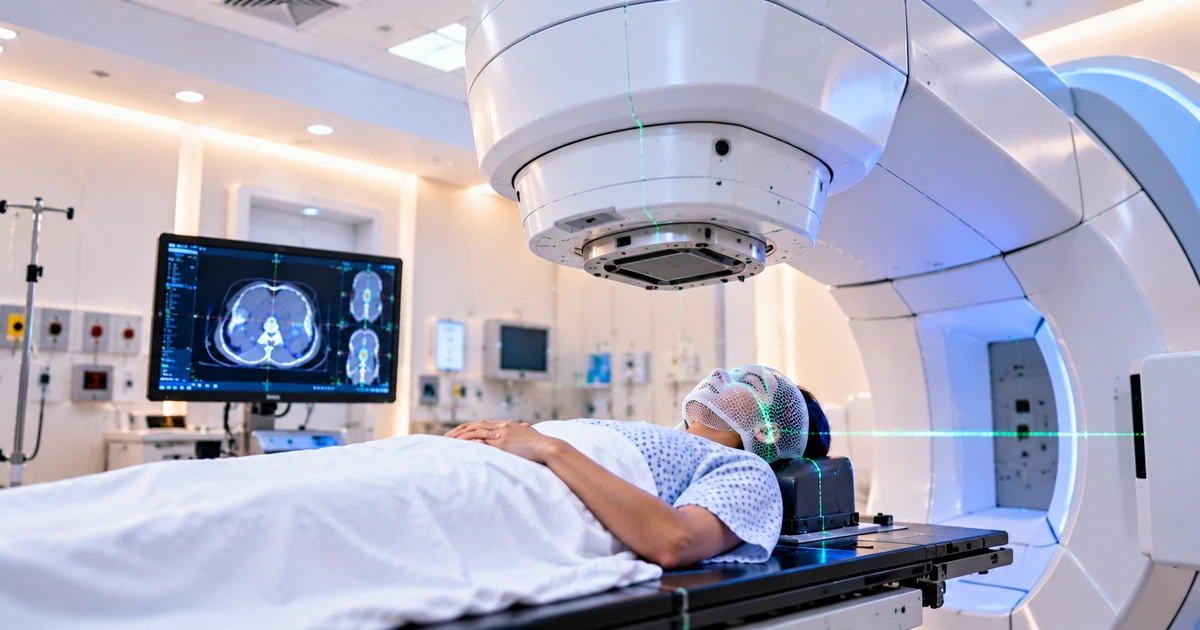
Radiation Oncology,
PET-CT imaging, and
Clinical Haematology.
Onco-Life is empanelled under Mahatma Jyotirao Phule Jan Arogya Yojana (MJPJAY), Ayushman Bharat (PM-JAY), and CGHS. Eligibility criteria apply; please
check government scheme eligibility before your visit.
To speak with a specialist,
Book a Doctor Appointment or request a
Second Opinion.