Bladder cancer begins in the cells lining the bladder, most often as a type called transitional cell carcinoma.
The most common early symptom is blood in the urine, which can appear even without pain. Detecting it early gives doctors more treatment options and generally leads to better outcomes.
What Is Bladder Cancer?
Bladder cancer develops when cells in the bladder lining, called urothelial cells, begin to grow abnormally. Transitional cell carcinoma (also called urothelial carcinoma) is the most common type. Adenocarcinoma and squamous cell carcinoma are less common types.
The bladder is a hollow muscular organ in the pelvis that stores urine produced by the kidneys. When abnormal cells multiply in the bladder lining, they can form tumours, which may be cancerous or non-cancerous.
Early Symptoms of Bladder Cancer
Early symptoms of bladder cancer are often mistaken for a urinary infection or kidney stones. Recognising them early makes a real difference to how soon a patient gets diagnosed.
- Hematuria (blood in the urine): the most common early sign. The urine can be pink, red, or brown, like cola. Sometimes the blood is so small that tests are the only way to find it.
- Changes in urination:needing to urinate more often or urgently, a burning sensation while urinating, or a weak or interrupted urine stream.
- Pelvic or lower back pain:pain on one side of the lower back or pelvis that does not go away should be evaluated promptly.
Any of these symptoms, especially recurring blood in the urine, should be discussed with a doctor without delay.
Bladder Cancer Symptoms in Women
Bladder cancer symptoms in women are frequently mistaken for urinary tract infections (UTIs) or gynaecological conditions, which can delay diagnosis. Women experiencing persistent pelvic pain, frequent urination or unexplained fatigue and weight loss should ask their doctor to rule out bladder cancer, particularly if UTI symptoms keep returning despite treatment.
What Causes Bladder Cancer?
The exact cause varies from person to person, but research has linked several risk factors to bladder cancer:
- Smoking : the leading risk factor.Smokers are estimated to be up to three times more likely to develop bladder cancer, as cancer-causing chemicals filtered by the kidneys become concentrated in urine stored in the bladder.
- Chemical exposure :workers in textile, leather, rubber, printing or paint industries face higher risk due to repeated contact with aromatic amines.
- Chronic bladder infections or irritation :long-term untreated UTIs, chronic cystitis or long-term catheter use can raise the risk.
- Prior chemotherapy or radiation :certain chemotherapy drugs (such as cyclophosphamide) and previous pelvic radiation can increase risk.
- Age and family history :most cases are not hereditary. Bladder cancer is more common after age 55 and affects more men than women.
Related reading : Types of Oncologists and Their Specialties in Oncology
Stages of Bladder Cancer
Staging helps the treatment team decide the most appropriate plan for each patient.
- Stage 0 (carcinoma in situ) :cancer is confined to the inner bladder lining; typically treated with surgery and intravesical immunotherapy.
- Stage I :cancer has spread slightly deeper into the bladder wall but has not reached the muscle layer.
- Stage II :The tumour has grown into the muscle layer of the bladder wall.
- Stage III :cancer has spread to nearby tissue, such as the prostate or uterus.
- Stage IV :cancer has spread to distant organs such as the liver, lungs or bones.
At Onco-Life Cancer Centre, imaging and pathology results together guide staging so that each patient’s treatment plan reflects their specific diagnosis.
How Is Bladder Cancer Diagnosed?
If bladder cancer is suspected, an oncologist may recommend one or more of the following:
- Urine cytology :checks a urine sample for cancerous cells.
- Cystoscopy :a thin tube with a camera is passed into the bladder to look for abnormal areas.
- Biopsy :tissue samples are taken during cystoscopy to confirm the diagnosis.
Imaging : CT scans, MRI and PET-CT (Positron Emission Tomography – Computed Tomography) scans help doctors assess how far the disease has spread. Not every patient needs every test; your oncologist will recommend what is appropriate for your case
Bladder Cancer Treatment Options
Treatment depends on the stage, type of tumour and the patient’s overall health.
- Surgery :TURBT (Transurethral Resection of Bladder Tumour) is used for early-stage disease. In more advanced cases, part or all of the bladder may need to be removed (cystectomy). See our surgical oncology service for more detail.
- Intravesical therapy :medication placed directly into the bladder. BCG (Bacillus Calmette-Guerin)immunotherapy is commonly used for small, early-stage tumours.
- Chemotherapy :can be given before surgery (neoadjuvant) or after (adjuvant), and may be systemic or delivered directly into the bladder, depending on the stage.
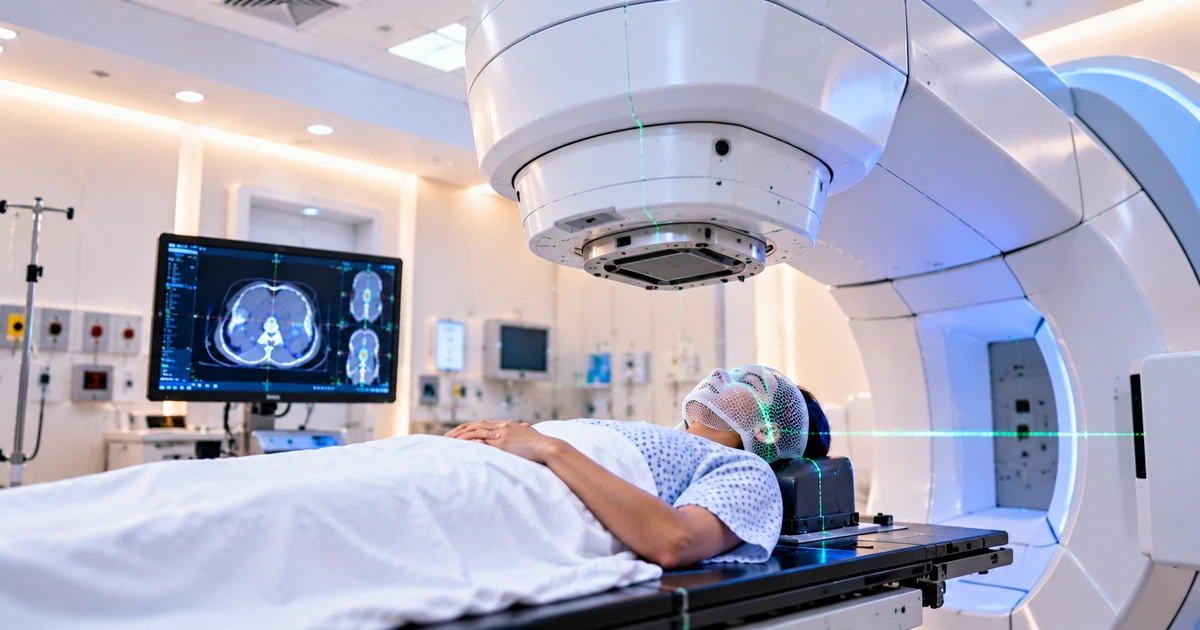
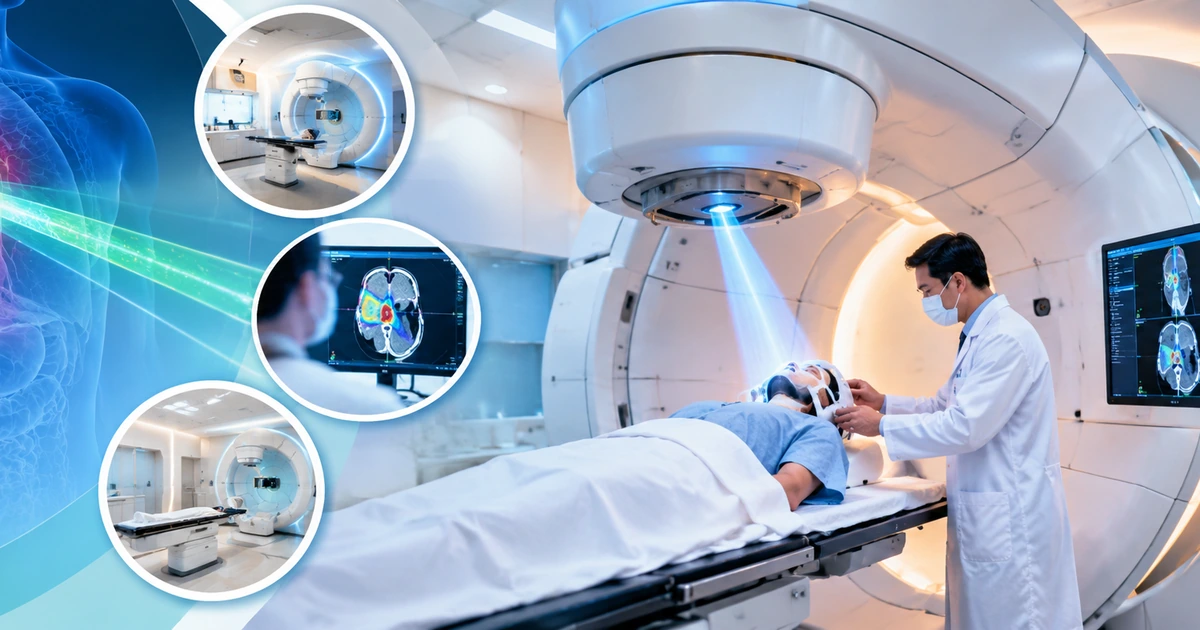
- Radiation therapy :often combined with chemotherapy, and can help preserve the bladder in select patients. Learn more about how radiation therapy works.
- Targeted therapy and immunotherapy :newer treatment options for advanced or recurrent bladder cancer. Your oncologist can explain whether ongoing clinical trials may be relevant to your case.
Bladder Cancer Care at Onco-Life Cancer Centre
At Onco-Life Cancer Centre, treatment planning looks at the whole patient, not only the tumour. Our centres in Talegaon, Chiplun, Satara and Wagholi, Maharashtra, offer:
- Diagnostic support including PET-CT imaging and pathology
- Organ-preserving surgical options where clinically appropriate
Access to government health insurance schemes including MJPJAY and PM-JAY for eligible patients (eligibility criteria apply; please verify your eligibility before visiting)
- A multidisciplinary team for second opinions and personalised treatment planning
Patients travelling from Mumbai and surrounding areas can also consult our team through Oncologist Near Mumbai.
Life After Bladder Cancer Treatment
Recovery from bladder cancer is both a physical and an emotional journey. Ongoing care typically includes:
- Follow-up care : regular cystoscopies and scans to monitor for recurrence.
- Lifestyle changes : Davoiding smoking, staying well hydrated and limiting exposure to industrial chemicals.
- Nutrition support : personalised guidance from our oncology nutrition team
- Emotional support : counselling and survivor support groups for mental wellbeing
When to See a Doctor
Bladder cancer can develop quietly, but the body often gives early warning signs. Do not ignore blood in the urine or pelvic pain that does not go away. If you or someone you know has these symptoms, our team at Onco-Life Cancer Centre is here to help you understand your options.
Frequently Asked Questions