

MBBS, MS, FMAS, FIAGES
Senior Consultant – Surgical Oncology
What is an Oncologist?
An oncologist is a physician who specializes in diagnosing and treating cancer. The word “oncology” comes from Greek roots meaning “study of tumors.”
Oncologists are fully trained physicians with additional specialized training beyond medical school. Most have completed:
- Medical school (4 years)
- Medical residency (3-5 years)
- Oncology fellowship training (2-4 years)
An oncologist doesn’t just prescribe treatment-they understand cancer biology, interpret imaging and pathology, evaluate clinical trial options, and consider your overall quality of life. They work as part of a multidisciplinary team including surgeons, radiologists, pathologists, nurses, and support staff.
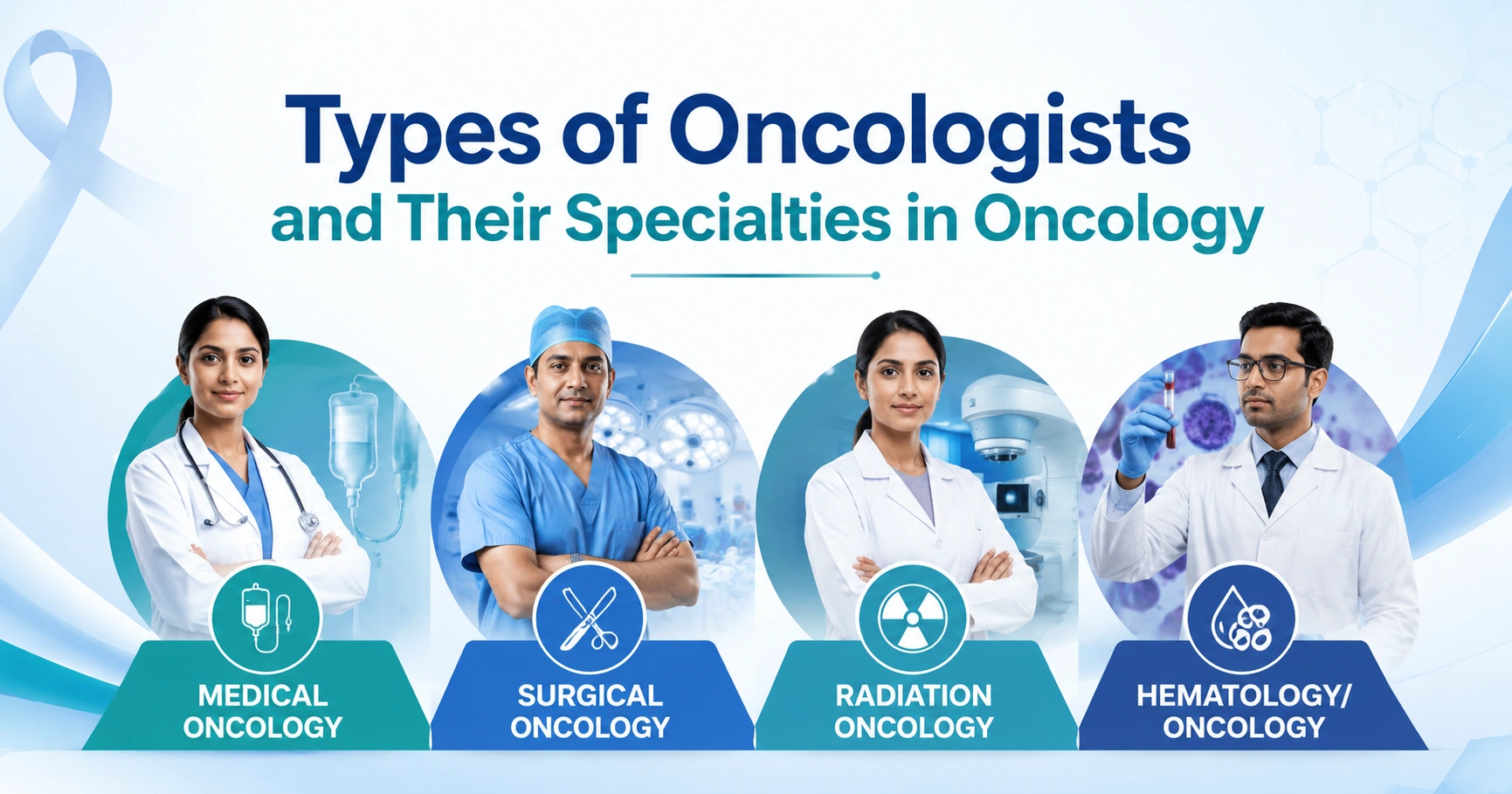
Three Main Types of Oncologists
Cancer care involves three primary oncology specialties that often work together.
Medical Oncologists
Medical oncologists diagnose cancer and manage systemic treatments that reach cancer cells throughout your body.
What They Do:
- Review imaging, lab tests, and biopsies to confirm diagnosis
- Determine cancer stage and grade
- Develop personalized treatment plans
- Administer chemotherapy, targeted therapy, and immunotherapy
- Monitor treatment response and manage side effects
- Coordinate care with other specialists
- Discuss clinical trial opportunities
- Provide supportive and palliative care
Surgical Oncologists
Surgical oncologists are trained to remove cancerous tumors through surgery. They combine surgical expertise with in-depth knowledge of cancer biology.
What They Do:
- Perform diagnostic biopsies to confirm cancer
- Remove primary tumors with appropriate surgical margins
- Perform lymph node dissection for cancer staging
- Manage complications after surgery
- Discuss surgical reconstruction options
- Work with medical and radiation oncologists on coordinated care
- Provide second opinions on surgical feasibility
Radiation Oncologists
Radiation Oncologists
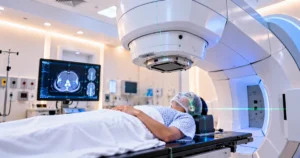
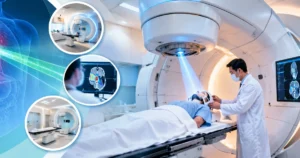
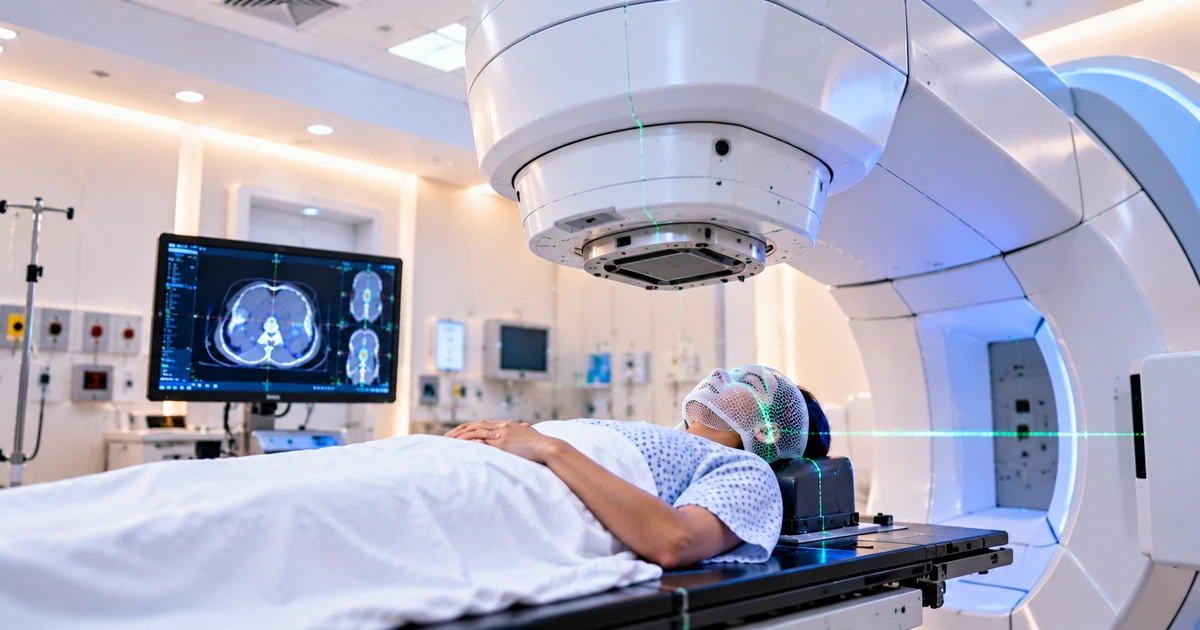
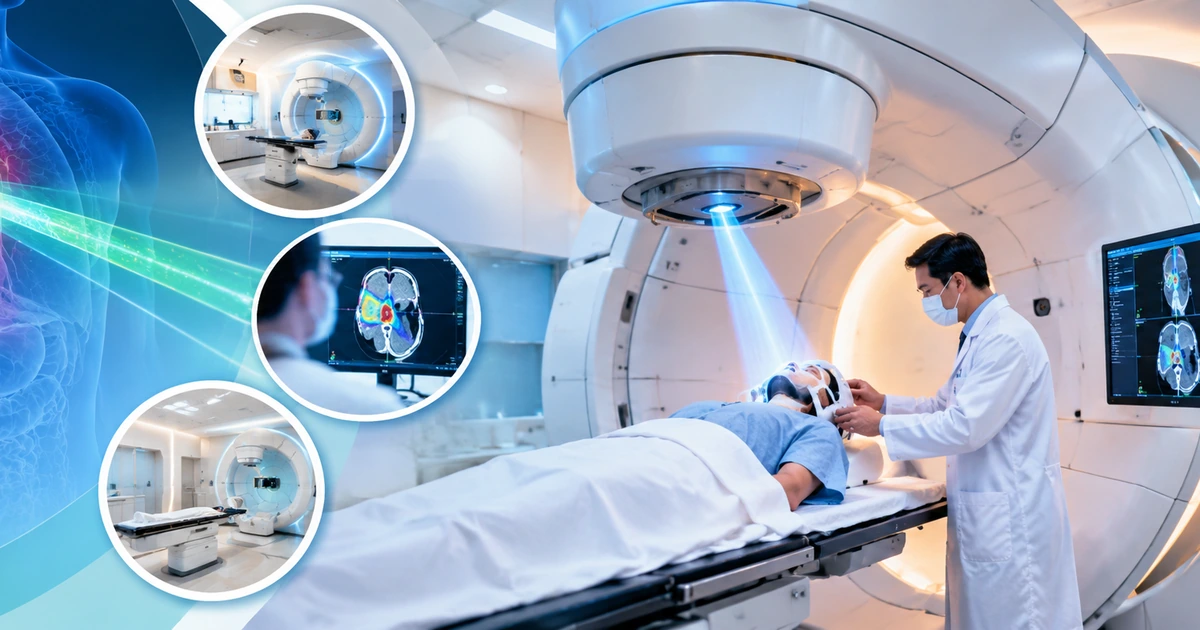
Radiation oncologists treat cancer using high-energy radiation to kill cancer cells while protecting healthy tissue.
What They Do:
- Design radiation therapy treatment plans
- Use advanced imaging for precise tumor targeting
- Deliver radiation using various techniques (IMRT, IGRT, SBRT, Tomotherapy, Brachytherapy)
- Monitor tolerance and manage side effects
- Collaborate with medical and surgical teams
- Discuss alternative treatment approaches
- Provide follow-up care during and after treatment
Specialized Oncologists by Cancer Type
Beyond the three main types, oncologists specialize in specific cancers.
Hematologic Oncologists
These doctors specialize in blood cancers including leukemia, lymphoma, and multiple myeloma. Many combine hematology (blood disorders) training with oncology to provide comprehensive care for blood-related cancers.
Breast Cancer Oncologists
Breast cancer specialists may be medical, surgical, or radiation oncologists who focus exclusively on breast cancer. They understand the unique presentation and treatment options for this common cancer.
Gynecologic Oncologists
These surgical specialists focus on cancers of the female reproductive system including ovarian cancer, cervical cancer, and endometrial cancer. They combine surgical expertise with knowledge of systemic therapies.
Thoracic Oncologists
Thoracic oncologists treat lung cancer, mesothelioma, and chest wall tumors. They work closely with thoracic surgeons and pulmonologists to coordinate care.
Gastrointestinal Oncologists
These specialists focus on cancers of the digestive system including stomach cancer, colon cancer, rectal cancer, pancreatic cancer, and liver cancer. They coordinate surgical, medical, and radiation approaches.
Pediatric Oncologists
Pediatric oncologists specialize in childhood cancers. They understand the unique biology of childhood cancers and the special considerations for treating young patients.
Neuro-Oncologists
Neuro-oncologists treat brain tumors and spinal cord tumors. They work closely with neurosurgeons and have specialized knowledge of central nervous system malignancies.
Other Cancer Care Specialists
While not always classified as oncologists, several specialists are essential to comprehensive cancer care.
Pathologists:
examine tissue samples to confirm diagnosis and identify markers that guide treatment selection. They provide crucial information about your cancer’s characteristics.
Radiologists:
interpret imaging including CT scans, MRI, PET-CT scan, and ultrasound to detect cancer, determine disease extent, and monitor treatment response.
Surgical Specialists:
including general surgeons, orthopaedic surgeons, and urologists perform cancer-related procedures. When they specialize in cancer care, they’re surgical oncologists.
Palliative Care Specialists:
manage pain, nausea, fatigue, and other symptoms throughout your cancer journey. They work alongside curative treatments to improve quality of life.
Oncology Nurses:
provide direct patient care, administer treatments, manage side effects, provide education, and offer emotional support.
How Oncologists Work Together
Modern cancer care is truly multidisciplinary. Your treatment team typically includes:
Virtual Tumour Board: This is a case conference where medical, surgical, and radiation oncologists review your imaging, pathology, and medical fitness together to reach consensus on the best treatment approach for your specific situation.
Coordinated Treatment Planning: Medical oncologists determine what chemotherapy is appropriate. Surgeons assess which tumors can be removed. Radiation oncologists design radiation plans. Everyone communicates to ensure treatments complement each other.
Team Communication: Your oncologists communicate regularly about your treatment response, manage any side effects together, and plan next steps as one coordinated team.
Second Opinions: You can request consultations with other specialists at any time. Second opinions are encouraged and help ensure you’re making informed decisions about your care.
Choosing Your Oncology Team
When selecting oncologists, consider these factors:
- Specialization: Seek specialists with proven expertise in your specific cancer type and stage.
- Experience: Ask about their volume of patients treated annually for your cancer type. Higher volume often correlates with better outcomes.
- Hospital Affiliation: Choose doctors at accredited cancer centers with advanced technology and strong multidisciplinary teams.
- Communication Style: Find oncologists who explain things clearly and involve you in decision-making rather than simply telling you what to do.
- Treatment Philosophy: Discuss whether they offer clinical trials, supportive care options, and palliative approaches alongside curative treatment.
- Accessibility: Ensure adequate appointment availability and accessible communication channels.
Comprehensive Cancer Care at Onco-Life Cancer Centre
At Onco-Life Cancer Centre, we bring together all three types of oncologists-medical, surgical, and radiation specialists-to provide comprehensive multidisciplinary cancer care. Our team collaborates through regular case conferences to ensure you receive the most appropriate and effective treatment for your cancer.
With centers in Satara, Talegaon, Chiplun, and Wagholi, Onco-Life provides:
- Experienced surgical oncologists for tumor removal
- Medical oncologists for chemotherapy and targeted therapy
- Radiation oncologists for advanced radiation techniques including Tomotherapy and IGRT
- Virtual Tumour Board case reviews
- PET-CT imaging for accurate staging
- Pathology and radiology support
- Palliative care for symptom management
- Government health scheme support (MJPJAY, PM-JAY, CGHS)
- 24/7 emergency services