Blood carries oxygen, fights infection, controls bleeding and moves nutrients through every part of the body. When any of these functions goes wrong, the cause often lies in the blood itself. Hematology is the branch of medicine that studies blood, the organs that make it, and the diseases that affect it. This guide explains what hematology is, the common blood disorders it covers, how they are diagnosed, and when to see a specialist.
What Is Hematology?
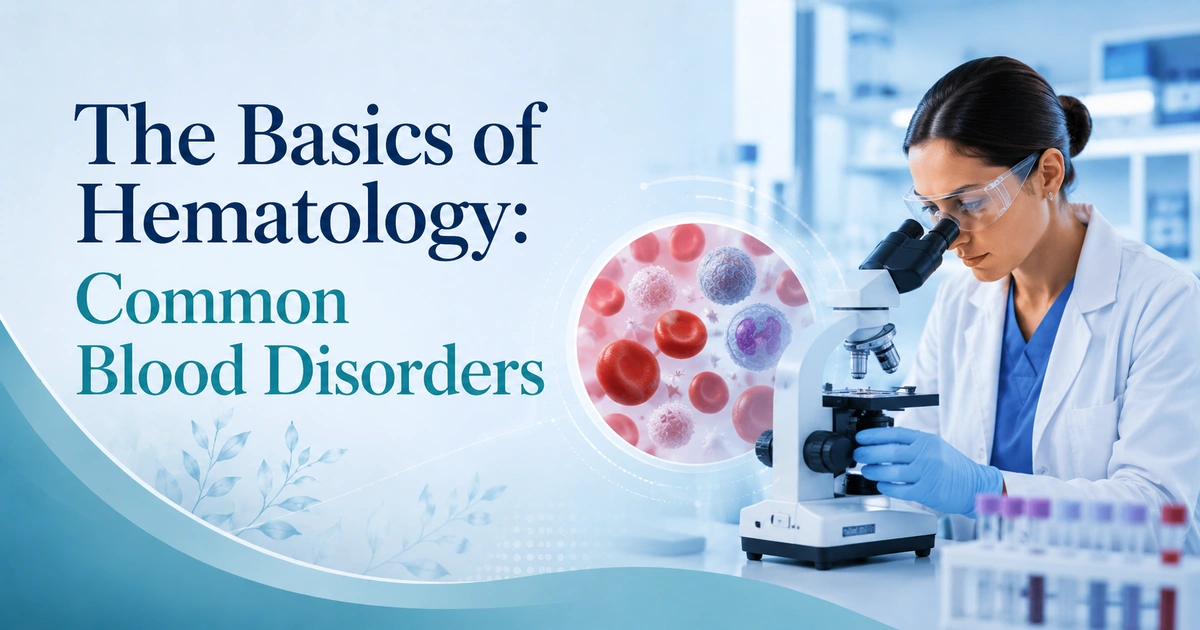
Hematology (also spelled haematology) is the study of blood – its cells, the bone marrow that produces them, and the proteins that help it clot. A doctor who specialises in this field is called a hematologist. They diagnose and treat problems affecting red blood cells, white blood cells, platelets, and the clotting system.
Blood is made up of three main cell types, each with a distinct job:
- Red blood cells (RBCs) carry oxygen from the lungs to the rest of the body.
- White blood cells (WBCs) are part of the immune system and defend against infection.
- Platelets help the blood clot and stop bleeding after an injury.
A blood disorder occurs when any of these components is too high, too low, or not working the way it should.
What Does a Hematologist Do?
A hematologist evaluates abnormal blood test results, investigates unexplained symptoms such as persistent fatigue or easy bruising, and manages both non-cancerous and cancerous blood conditions. Many blood disorders are not cancer – anemia and clotting problems are common examples. When a blood cancer is involved, care is led by a haemato-oncologist, a specialist trained in both blood disorders and cancer treatment.
Common Blood Disorders (Types)
Blood disorders fall into a few broad groups depending on which part of the blood is affected.
1. Red blood cell disorders
- Anemia – a low red blood cell count or low haemoglobin, causing tiredness, weakness, pale skin and breathlessness. Common causes include iron, vitamin B12 or folate deficiency, chronic disease, and inherited conditions such as thalassemia and sickle cell disease.
- Polycythemia – too many red blood cells, which thickens the blood.
2. White blood cell disorders
- Neutropenia – a low count of neutrophils, raising infection risk.
- High neutrophils / raised WBC count – often a sign of infection or inflammation, but sometimes a marker of a blood disorder that needs review.
3. Bleeding and clotting disorders
- Hemophilia and von Willebrand disease – inherited conditions where blood does not clot properly, causing prolonged bleeding.
- Thrombocytopenia – a low platelet count, leading to easy bruising and bleeding.
- Deep vein thrombosis (DVT) and clotting disorders – where blood clots form when they should not.
4. Blood cancers
Blood cancers develop when abnormal blood cells grow uncontrollably. The three main types are:
- Leukemia – cancer of the blood and bone marrow.
- Lymphoma – cancer of the lymphatic system.
- Multiple myeloma – cancer of the plasma cells in the bone marrow.
These conditions need specialist care. Onco-Life provides diagnosis and blood cancer treatment in Mumbai and across its Maharashtra centres, with a dedicated haemato-oncology team.
Symptoms That May Point to a Blood Disorder
Blood disorders can be silent early on, but warning signs include:
- Constant tiredness or weakness
- Frequent or hard-to-treat infections
- Easy bruising or bleeding (including bleeding gums or nosebleeds)
- Unexplained weight loss or night sweats
- Pale skin, breathlessness or a fast heartbeat
- Swollen lymph nodes in the neck, armpit or groin
Any of these lasting more than a couple of weeks is worth checking with a doctor.
How Blood Disorders Are Diagnosed
Most blood disorders are picked up through simple tests, then confirmed with more detailed ones:
- Complete Blood Count (CBC) – the first-line test, measuring red cells, white cells, platelets and haemoglobin.
- Peripheral blood smear – examines the shape and appearance of blood cells under a microscope.
- Bone marrow biopsy – checks how blood cells are being produced, important for diagnosing leukemia and other cancers.
- Coagulation tests – assess how well the blood clots.
- Imaging such as PET-CT – used to stage lymphoma and other blood cancers and to plan treatment.
For patients needing imaging, Onco-Life offers advanced PET-CT scan in Mumbai and Navi Mumbai through its Pune-region centres.
How Blood Disorders Are Treated
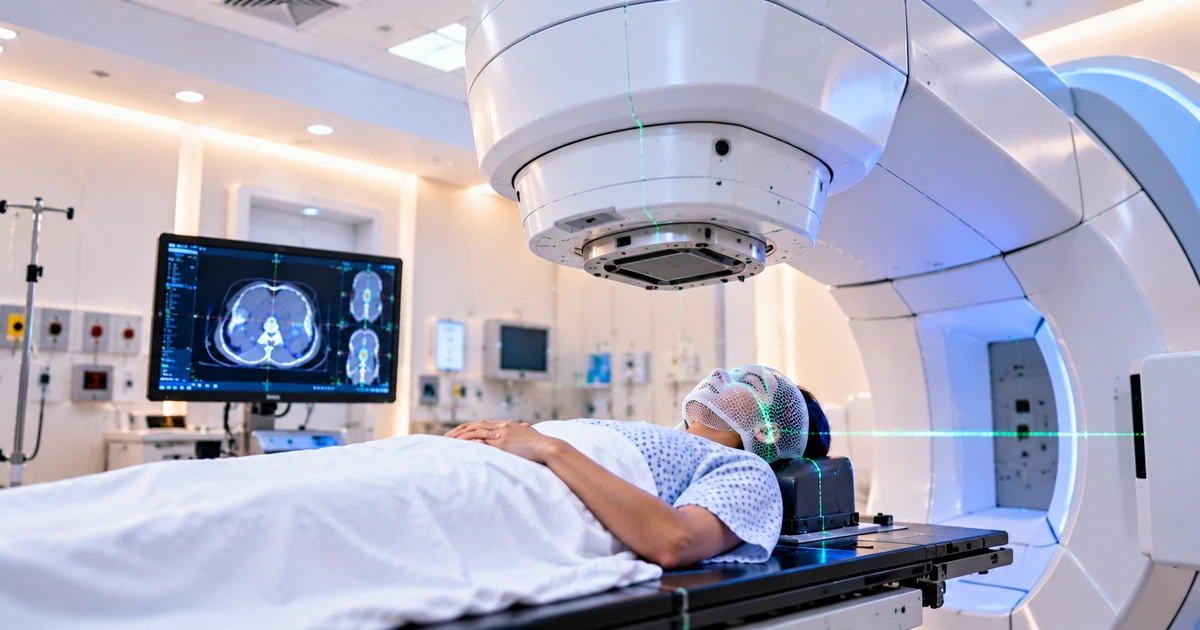
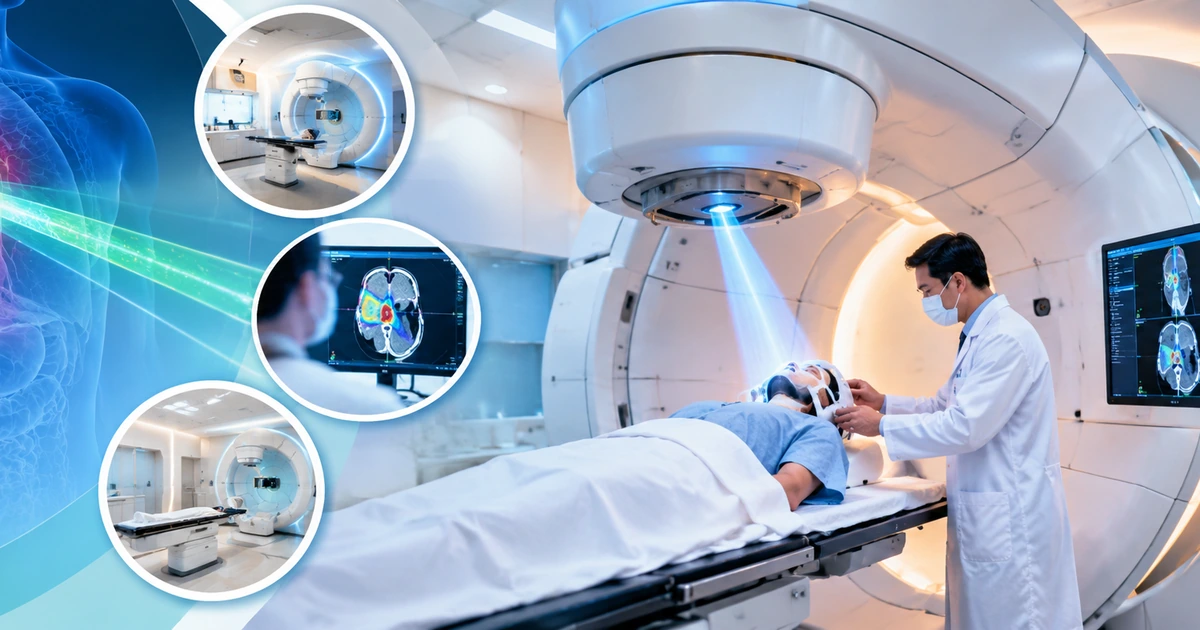
Treatment depends entirely on the condition. Anemia may be corrected with iron, vitamin supplements or dietary changes. Clotting disorders are managed with medication and specialist monitoring. Blood cancers may require chemotherapy, targeted therapy, immunotherapy, radiation, or a stem cell (bone marrow) transplant. Early, accurate diagnosis by a specialist gives the best chance of effective treatment.
When to See a Hematologist
See a specialist if blood test results are repeatedly abnormal, or if you have ongoing fatigue, unexplained bruising, frequent infections or swollen lymph nodes. If blood cancer is suspected, a haemato-oncologist should be involved early.
Onco-Life Cancer Centre is a NABH-accredited oncology network across Maharashtra with an experienced haemato-oncology team. Patients can consult a hematologist in Solapur region through the Satara centre, or begin care with a blood cancer specialist in Mumbai via the Talegaon and Wagholi (Pune) centres. Eligible patients are covered under MJPJAY and PM-JAY (Ayushman Bharat) schemes.
Frequently Asked Questions