What Is a PET-CT Scan?
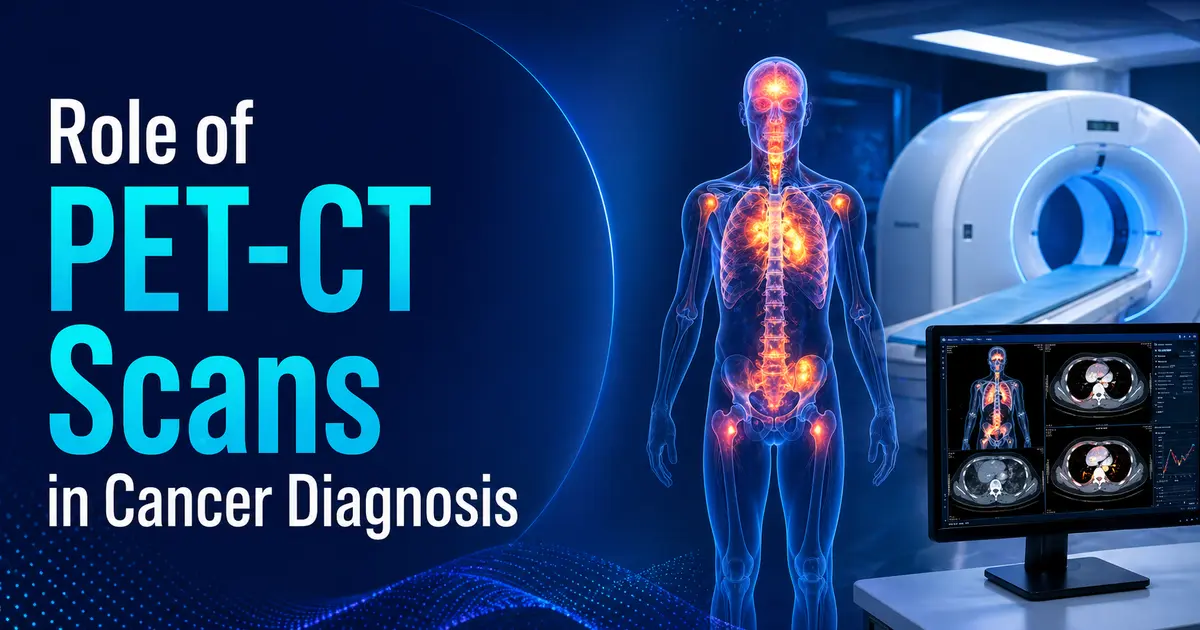
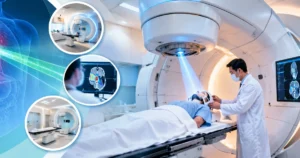
PET-CT stands for Positron Emission Tomography with Computed Tomography. It is a hybrid imaging test that combines two separate scans in a single sitting. The PET portion shows how tissues are functioning at a cellular level, while the CT portion shows detailed anatomy. Together, they let doctors identify not just where a suspicious mass is, but how metabolically active it is.
How PET-CT Scans Work
A small amount of a radioactive tracer, most commonly Fluorodeoxyglucose (FDG), is injected into a vein. FDG is a form of glucose. Because many cancer cells use glucose faster than normal cells, they absorb more of the tracer.
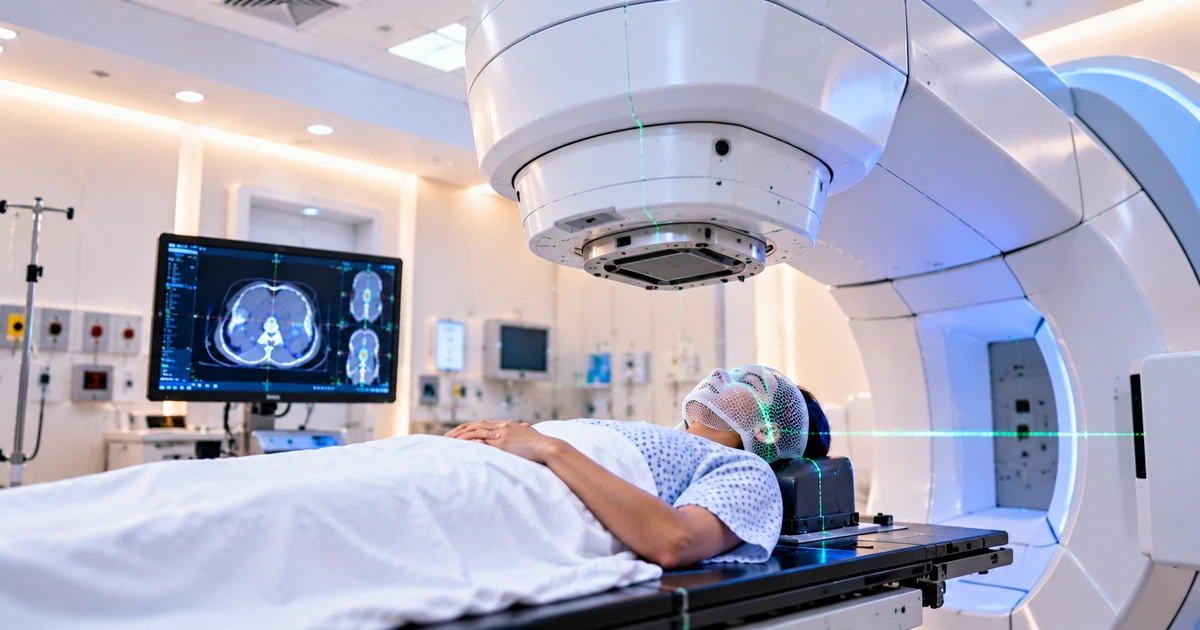
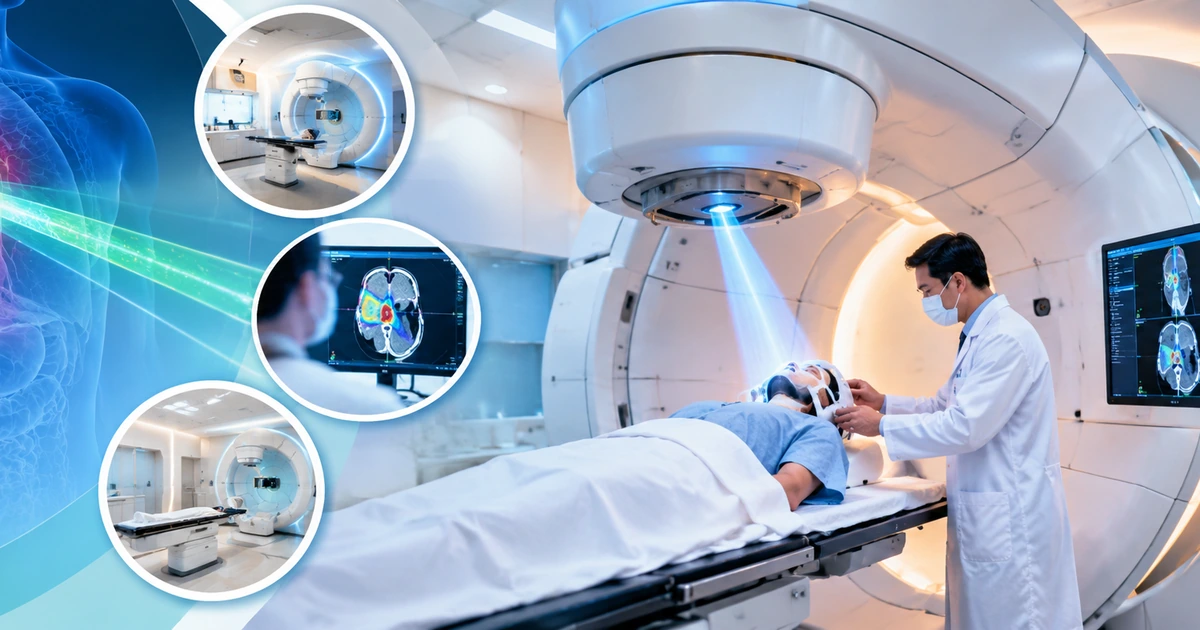
The scanner then detects where the tracer collects. These “hot spots” indicate areas of high metabolic activity, which can suggest cancer. The CT part of the machine takes cross-sectional X-ray images at the same time, so hot spots can be matched precisely to anatomy. The result is a combined image showing both structure and activity.
Why PET-CT Is Used in Cancer Care
PET-CT has changed how cancer is diagnosed and monitored. Key clinical benefits include:
- Early detection at a molecular level. PET-CT can pick up metabolic changes even before a tumour becomes visible on plain CT or MRI.
- Accurate staging. Staging determines how far cancer has spread. For lung cancer, PET-CT can change the lymph node stage in up to one in four patients, ensuring the right treatment is planned from the start.
- Assessing treatment response. PET-CT can detect a drop in tumour activity even before the tumour physically shrinks, allowing faster adjustments to chemotherapy or radiation.
- Guiding biopsy. By highlighting the most active part of a tumour, PET-CT helps ensure the biopsy needle samples viable tissue rather than dead (necrotic) tissue.
- Detecting recurrence. After treatment, PET-CT helps distinguish scar tissue from active cancer, which is often difficult on CT or MRI alone.
When Your Doctor May Recommend a PET-CT Scan
A PET-CT scan is not needed for every patient, but it is commonly recommended in these situations:
- To stage a newly diagnosed cancer such as lung, head and neck, oesophageal, colorectal, or lymphoma
- To assess response after chemotherapy, radiation therapy, or immunotherapy
- To detect suspected cancer recurrence when tumour markers rise or symptoms return
- To locate the primary cancer when metastasis is found but the source is unclear
- To evaluate a suspicious mass seen on CT or MRI
- To help plan radiation therapy fields more precisely
- In some cases of lymphoma, melanoma, and neuroendocrine tumours, specialised tracers such as DOTATATE or PSMA may be used instead of FDG.
Your oncologist will decide whether PET-CT is appropriate based on the cancer type, treatment stage, and clinical question being asked.
PET-CT Scan Procedure Step by Step
- Registration and history: You confirm your details, prior scans, and current medications, including diabetes medicines.
- Blood sugar check: A finger-prick test confirms your blood sugar is within acceptable limits, since high glucose can affect tracer uptake.
- Tracer injection: A small dose of FDG is injected through a vein, usually in the arm.
- Uptake period: You rest quietly in a private room for about 45 to 60 minutes so the tracer can circulate and be absorbed. You will be asked to stay warm, avoid talking or chewing, and empty your bladder before the scan.
- Scanning: You lie on a padded bed that moves slowly through the scanner. Most whole-body scans take 20 to 30 minutes. It is quiet, painless, and does not feel enclosed like an MRI.
- After the scan: You can eat, drink, and resume normal activities. Drinking water helps flush the tracer from your body.
How to Prepare for a PET-CT Scan
Preparation depends on the type of scan, but general instructions include:
- Fast for 4 to 6 hours before the scan. Only plain water is allowed. Do not chew gum or eat sweets.
- Avoid strenuous exercise for 24 hours before the scan. Exercise makes muscles absorb tracer and can create misleading hot spots.
- Do not consume caffeine, alcohol, or sugary drinks before the scan.
- Wear loose, comfortable clothing without metal buttons, zips, or embellishments.
- Bring all prior scans and reports, including previous PET-CT, CT, MRI, and biopsy reports.
- Tell the team if you have diabetes. Your doctor will advise how to time your medications.
- Tell the team if you are pregnant or breastfeeding. PET-CT is usually avoided in pregnancy. Breastfeeding may need to be paused for a short period after the scan.
- Inform the team about claustrophobia or any difficulty lying still, so support can be arranged.
How Long Does a PET-CT Scan Take?
Plan for two to three hours in total at the hospital:
- Registration and preparation: 30 minutes
- Tracer injection and uptake rest: 45 to 60 minutes
- Actual scanning time: 20 to 30 minutes
- Post-scan checks: 10 to 15 minutes
The scan itself is not long, but the uptake period is essential and cannot be shortened.
When Will You Get the Results?
Most PET-CT reports are ready within 24 to 48 hours of the scan. Complex cases involving specialised tracers or comparison with prior scans may take a little longer. Your oncologist will discuss the report with you at your next appointment and integrate it with your treatment plan.
What a Positive PET-CT Scan Means (and What It Doesn’t)
A “positive” PET-CT scan shows areas of higher tracer uptake, but this does not automatically mean cancer. Other conditions can also cause increased FDG uptake:
- Infections such as tuberculosis or fungal infections
- Inflammatory conditions such as arthritis or sarcoidosis
- Recent surgery, biopsy, or injection sites
- Muscle activity from exercise or shivering
- Some benign tumours
A positive finding usually needs further evaluation, most commonly a tissue biopsy to confirm the exact diagnosis. This is why a PET-CT scan cannot replace a biopsy for definitive cancer diagnosis.
Equally, a “negative” PET-CT scan does not always rule out cancer completely. Very small lesions (typically under 5 mm) and some low-grade cancers can be missed. Your oncologist interprets PET-CT results alongside your history, blood work, and other imaging.
Safety and Radiation Exposure
PET-CT involves a small dose of radiation from both the FDG tracer and the CT component. The dose is carefully controlled and considered safe for medical purposes when there is a clinical need.
- The radiotracer clears from the body within a few hours, mostly through urine.
- Drink extra water for the rest of the day to help flush it out.
- You are only mildly radioactive for a few hours. Most nuclear medicine departments advise limiting close contact with pregnant women and young children for 6 to 12 hours after the scan.
- The scan is not recommended during pregnancy unless the benefit clearly outweighs the risk.
- Breastfeeding mothers may be asked to pause breastfeeding briefly, per the nuclear medicine team’s instructions.
Repeat PET-CT scans are given only when clinically justified, so the cumulative radiation dose stays within safe limits.
PET-CT Scan Cost in India
The cost of a PET-CT scan in India varies based on:
- The type of tracer used (FDG is standard; DOTATATE, PSMA, and other specialised tracers cost more)
- Whole-body versus limited-region scan
- The hospital’s location, technology, and reporting turnaround
- Whether you are covered under a government scheme or private insurance
A whole-body FDG PET-CT scan typically ranges from approximately ₹12,000 to ₹28,000 in India. Specialised tracer scans may cost more.
Financial support is available through:
- Mahatma Jyotirao Phule Jan Arogya Yojana (MJPJAY) — Maharashtra state scheme
- Ayushman Bharat (PM-JAY) — national scheme
- CGHS — for central government employees
- Private health insurance, subject to policy terms
Onco-Life is empanelled under MJPJAY, PM-JAY, and CGHS. Eligibility criteria apply; please check government scheme eligibility before booking.
PET-CT Scan Services at Onco-Life
Onco-Life Cancer Centre operates PET-CT services across its Maharashtra network. Scans are reported by qualified nuclear medicine physicians and reviewed alongside your treating oncology team through the Virtual Tumour Board.
Book PET-CT scan appointments at any Onco-Life centre:
To book, please use the PET-CT Scan Appointment form, or Book a Doctor Appointment to discuss whether a PET-CT scan is right for your case.
Disclaimer
This article is for informational purposes only and does not constitute medical advice. PET-CT scans should only be performed when clinically indicated by a qualified oncologist. Always consult with your healthcare provider to discuss the risks and benefits of any diagnostic procedure in the context of your specific health needs.
References
- ESR Essentials: Staging and restaging with FDG-PET/CT in oncology. Insights into Imaging, 2024.
- Cleveland Clinic. PET Scan: What It Is, Purpose, Procedure and Results.
- Society of Nuclear Medicine and Molecular Imaging (SNMMI). FDG PET and PET/CT in the evaluation of cancer treatment response.
- American College of Radiology (ACR). Practice Parameter for Performing FDG-PET/CT in Oncology.
- The role of PET/CT imaging in lung cancer. Journal of Cancer Therapy, 2015.
Frequently Asked Questions (FAQs)