Testicular cancer starts in one or both testicles, the small organs inside the scrotum that produce sperm and testosterone. It is not very common overall, but it is the most frequent solid cancer in young men, especially between 15 and 35 years of age. The reassuring reality is that testicular cancer is highly curable, even when it has spread, if treated promptly.
In many men, the first clue is very simple: a painless lump or swelling in one testicle. Others notice a feeling of heaviness, a dull ache in the groin or lower abdomen, or a change in size or firmness compared to the other side. Because it often does not cause severe pain early on, men can ignore it for months, hoping it will settle.
Understanding what testicular cancer is, how it behaves, and what to look for helps you act early. With modern imaging, surgery,chemotherapy, and expert follow-up, most patients return to normal work, relationships, and daily life after treatment.
What is Testicular Cancer?
Testicular cancer means that abnormal cells in the testicle have started growing in an uncontrolled way. They may form a lump (tumour) inside the testicle, which can then grow and, if untreated, spread to nearby lymph nodes or other organs.
Most cases are germ cell tumours, arising from the cells that normally produce sperm. These are divided into two major types:
- Seminomas – usually slower growing and very sensitive to radiation and chemotherapy
- Non-seminomas – a group including embryonal carcinoma, yolk sac tumour, choriocarcinoma, and teratoma; often faster growing but also very responsive to chemotherapy
There are also rarer tumours such as Leydig cell tumours, Sertoli cell tumours, and lymphoma of the testis, but these are much less common. Regardless of type, prompt diagnosis is the key to a good outcome.
Testicular Cancer Symptoms
Not every change in the scrotum is cancer, but certain symptoms are important to notice and never ignore.
Painless lump in a testicle The most classic sign. It may feel like a pea, marble, or a firm area inside the testicle.
Change in size or shape of a testicle One side may become larger, harder, or simply feel different from the other.
Feeling of heaviness in the scrotum A dragging or full sensation that does not go away.
Dull ache or discomfort In the testicle, scrotum, groin, or lower abdomen. Often mild and easy to dismiss.
Sudden fluid collection in the scrotum Swelling or a fluid-filled sac (hydrocele) without any injury.
Pain or tenderness Some men do feel pain, especially if there is bleeding within the tumour, but many do not.
Back pain, chest symptoms, or breathlessness Seen when cancer has already spread to lymph nodes or lungs.
Breast tenderness or swelling are rare, but some tumours produce hormones that can affect breast tissue.
If any of these changes last more than two to three weeks, especially a new lump, get it checked. Anxiety is normal, but waiting rarely helps.
Early Warning Signs and Self-Examination
Early testicular cancer symptoms can be subtle. A quick monthly self-check can genuinely help.
How to check
- After a warm shower, gently hold the scrotum in your hands.
- Feel each testicle between thumb and fingers, one side at a time.
What you are looking for
- A small, firm, painless lump
- Any area that feels harder than the rest of the testicle
- A noticeable change in size or shape compared to the other side
Other red flags
- Persistent dull ache in the groin or scrotum
- A new feeling of heaviness or swelling that does not settle
- Any change that keeps coming back
How often to check
- Once a month is usually enough.
- If you have known risk factors, such as an undescended testicle in childhood, your doctor may suggest closer monitoring.
If something feels new or suspicious, do not panic, but do book an appointment with a doctor.
Recognised risk factors include:
- Undescended testicle (cryptorchidism) – when one or both testicles did not descend properly into the scrotum in childhood
- Family history – a father or brother with testicular cancer increases your risk
- Previous testicular cancer – the opposite testicle has a slightly higher risk than average
- Infertility or abnormal semen analysis
- Certain genetic patterns and conditions, still being studied
- HIV or long-term immune suppression, in some cases
Many men have no identifiable risk factor. Absence of risk factors does not mean you can ignore a lump, and having a risk factor does not mean you will definitely develop cancer. It simply means you should be a little more attentive.
Undescended Testicle (Cryptorchidism)
Cryptorchidism refers to a testicle that failed to descend into the scrotum before birth or in early infancy. Men with a history of an undescended testicle have a significantly higher risk of testicular cancer in that testicle, and a slightly increased risk in the other one.
Early surgery to bring the testicle down (orchiopexy) lowers the risk compared with leaving it undescended, but it does not make the risk fully normal. If you had this problem as a child, regular self-checks and prompt evaluation of any change are important.
Family History and Other Factors
If a close relative, especially a father or brother, has had testicular cancer, your own risk is higher than in the general population. This suggests a genetic contribution, though the exact genes are still being studied.
Other factors sometimes linked with testicular cancer include:
- Infertility or very abnormal semen analysis
- Previous testicular cancer in the opposite testicle
- Certain infections or immune conditions, including HIV in some cases
You cannot change your family history or childhood events, but you can act early on symptoms and discuss your risk with your doctor.
Types of Testicular Cancer
Most testicular cancers are germ cell tumours, meaning they arise from sperm-forming cells. These form the large majority of cases and are the reason testicular cancer responds so well to treatment.
Germ cell tumours are broadly divided into:
- Seminomas
- Non-seminomas – a group including embryonal carcinoma, yolk sac tumour, choriocarcinoma, and teratoma
Some tumours are “pure” (only one type), while many are mixed germ cell tumours containing more than one pattern.
There are also rarer non-germ cell tumours:
- Leydig cell tumours
- Sertoli cell tumours
- Lymphoma involving the testis, more often in older men
Each type behaves differently and responds differently to treatment. That is why accurate typing by a pathologist after surgery is essential.
Seminomas vs Non-Seminomas
Seminomas
- Often appear slightly later (30s to 40s, but can occur earlier)
- Grow more slowly on average
- Very sensitive to radiation and chemotherapy
- Excellent outcomes even in more advanced stages
Non-seminomas
- Usually occur in slightly younger men (late teens to 30s)
- Tend to grow more quickly
- More likely to spread early through blood and lymph
- Respond very well to chemotherapy, though planning is more complex
Many men have mixed tumours; in these cases, treatment decisions are usually based on the non-seminoma component.
Diagnosing Testicular Cancer
Diagnosis usually begins with a simple concern: “I have found a lump,” or “this side feels different.” A specialist (usually a urologist or oncologist) will then:
- Take a detailed history of symptoms and risk factors
- Examine the testicles, scrotum, and groin lymph nodes
- Order a scrotal ultrasound, which is painless and very accurate at identifying a solid testicular mass
- Check blood tumour markers, including AFP, beta-hCG, and LDH
If cancer is strongly suspected, the usual next step is surgery to remove the affected testicle through a small groin incision. This operation both treats the primary tumour and provides tissue for exact diagnosis and staging. Unlike many other cancers, a needle biopsy through the scrotum is not done, as it can risk spreading cells into the scrotal tissues.
Diagnostic Tests at Onco-Life Cancer Centre
At Onco-Life Cancer Centre, typical tests for testicular cancer include:
- Scrotal ultrasound – first-line imaging to confirm a solid mass and assess its features
- Blood tests – tumour markers (AFP, beta-hCG, LDH) plus general blood tests for overall health and treatment planning
- CT scan of abdomen, pelvis, and sometimes chest – to look for enlarged lymph nodes or spread to other organs
- Radical inguinal orchiectomy – surgical removal of the affected testicle through a groin incision, providing definitive diagnosis and treatment
- Additional imaging when needed – MRI or PET-CT in selected complex cases
- Fertility assessment and sperm banking consultation before treatment
All results are reviewed at a multidisciplinary meeting so you get a clear, unified explanation and plan.
Access PET-CT services at Onco-Life:
Treatment Options
Testicular cancer treatment is one of oncology’s great success stories. Cure rates are very high, especially when treatment begins promptly.
First step: Surgery Radical inguinal orchiectomy (removal of the affected testicle through the groin) is often curative for very early cancers and provides the exact type and stage of tumour.
After surgery: Deciding the next step Based on pathology and staging, options may include:
- Active surveillance – for some low-risk early-stage tumours. Regular tumour markers and scans, without immediate further treatment.
- Chemotherapy – standard regimens given in cycles through a vein, effective for both seminomas and non-seminomas, used for higher-stage or higher-risk tumours.
- Radiation therapy – mainly used for certain seminoma cases, targeting lymph node areas at risk.
- Retroperitoneal lymph node dissection (RPLND) – specialised surgery to remove lymph nodes in the abdomen in selected non-seminoma cases.
Supportive and fertility care
- Sperm banking before chemotherapy or radiation
- Management of side effects such as nausea, fatigue, and infections
- Psychological support and counselling
The plan is always individualised. No two patients are exactly the same.
Surgery for Testicular Cancer
The main surgery is an orchiectomy, usually done through a small incision in the groin (radical inguinal orchiectomy). The surgeon carefully removes the testicle and spermatic cord on the affected side while preserving surrounding structures.
Key points:
- The scrotum is not cut, which reduces the risk of spreading cancer cells.
- Most men go home the same day or the next day.
- A testicular prosthesis (implant) can be inserted during the same surgery or later, if you wish.
- One healthy testicle is usually enough for normal hormone production, erections, and, in many cases, fertility.
Your team at Onco-Life will explain what to expect before and after the orchiectomy, including scar, recovery time, and activity restrictions.
Chemotherapy and Radiation Therapy
Testicular cancer chemotherapy is often short but strong. Common regimens such as BEP (bleomycin, etoposide, cisplatin) are given in cycles over a few weeks to months, depending on the stage. They are highly effective at killing germ cell tumours.
Common side effects can include:
- Fatigue and weakness
- Nausea and vomiting (usually well controlled with medication)
- Temporary hair loss
- Lowered immunity and increased infection risk
- Possible impact on fertility
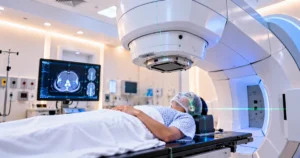
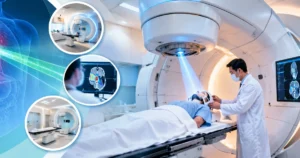
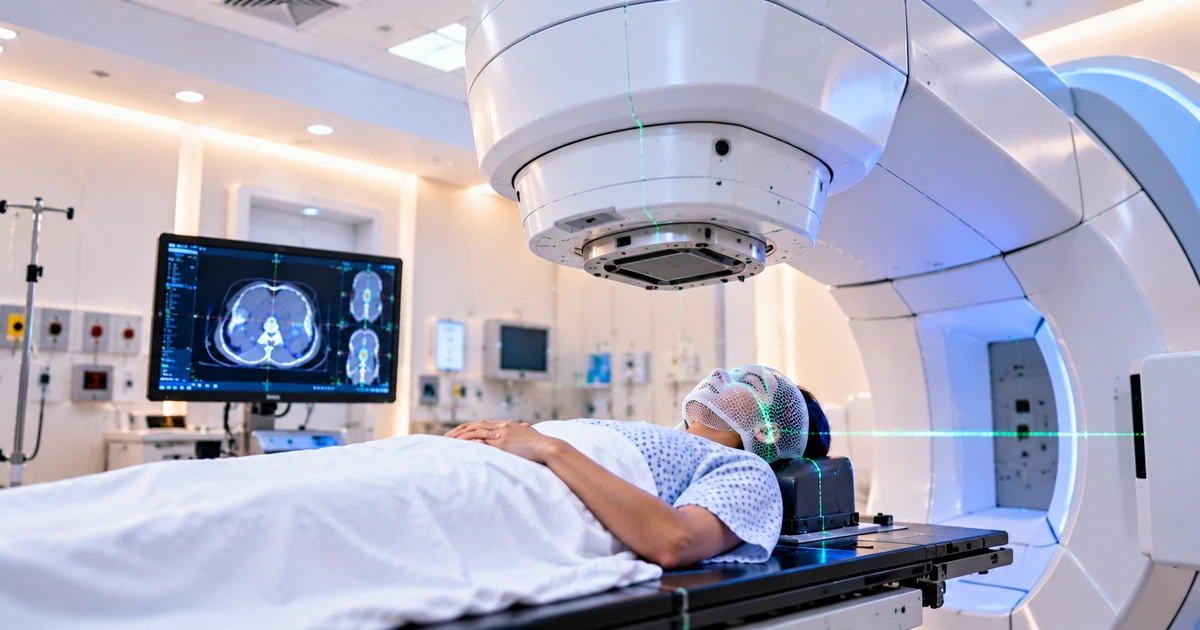
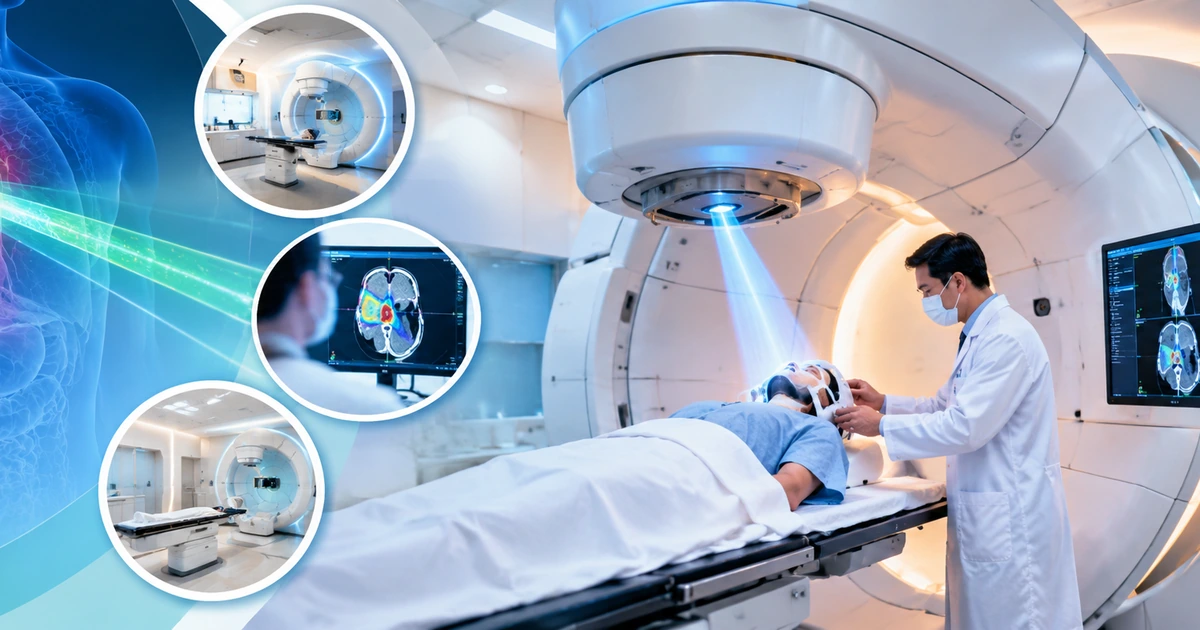
Radiation therapy is used mainly for some seminoma cases to treat lymph node regions in the abdomen. Seminomas are very sensitive to radiation, but because of potential long-term side effects, many patients are treated with chemotherapy or surveillance instead, depending on risk.
At Onco-Life, decisions about chemotherapy and radiation are made jointly by medical and radiation oncologists, keeping both cure and long-term health in mind.
Fertility, Sexuality and Recovery
Fertility concerns are natural for men diagnosed with testicular cancer, especially those in their reproductive years. Important points to know:
- One healthy testicle is usually enough to maintain fertility and testosterone levels.
- Chemotherapy and radiation can temporarily or, less often, permanently affect sperm production.
- Sperm banking before treatment is strongly recommended for men who may want children in the future.
- Erectile function is usually preserved after orchiectomy of one testicle.
- Testosterone levels are checked periodically and can be replaced if needed.
Onco-Life coordinates fertility consultation and sperm banking with partner facilities so this is planned early, not as an afterthought.
Cost and Government Scheme Support
The cost of testicular cancer treatment depends on the stage, the exact surgery, whether chemotherapy or radiation is needed, and the length of follow-up. It is best estimated after your oncologist reviews the diagnosis and treatment plan.
Financial support is available through:
- Mahatma Jyotirao Phule Jan Arogya Yojana (MJPJAY) – Maharashtra state scheme
- Ayushman Bharat (PM-JAY) – national scheme
- Central Government Health Scheme (CGHS)
- Health Minister’s Cancer Patient Fund (HMCPF) under Rashtriya Arogya Nidhi
- Private health insurance, subject to policy terms
- GIPSA cashless insurance for empanelled insurers
Onco-Life is empanelled under MJPJAY, PM-JAY, and CGHS. Eligibility criteria apply; please check government scheme eligibility before starting treatment.
Life After Testicular Cancer
Life after testicular cancer can be very positive, but it is normal to have questions and concerns. Follow-up is a core part of care and typically includes:
- Regular check-ups and physical examination
- Periodic tumour marker tests
- Scheduled imaging, such as chest X-ray or CT scans, to watch for recurrence
- Testosterone level monitoring if needed
- Ongoing conversations about fertility, sexual function, and family planning
Emotionally, men may worry about masculinity, relationships, body image, and future health. It helps to talk openly with your doctor, a counsellor, your partner, or a support group. Many men return to sports, work, travel, fatherhood, and a full life after treatment.
Survivorship at Onco-Life means more than “no cancer on the scan.” It means helping you feel like yourself again.
Why Choose Onco-Life for Testicular Cancer Care
Testicular cancer touches fertility, sexuality, and self-image as much as it touches physical health. At Onco-Life Cancer Centre, care is delivered by a team that understands both.
- Multidisciplinary expertise – urological surgeons, medical oncologists, radiation oncologists, radiologists, pathologists, and fertility specialists working together
- Streamlined diagnostics – ultrasound, tumour markers, CT scans, and histopathology coordinated quickly so you are not left waiting
- Individualised treatment plans – based on tumour type, stage, age, family plans, and personal preferences
- Focus on fertility and long-term health – counselling about sperm banking, hormone health, and late side effects from the very start
- Clear, compassionate communication – plain-language explanations, family conversations, and step-by-step guidance
- NABH-accredited multidisciplinary network across Maharashtra
Onco-Life provides testicular cancer care at:
If you have noticed a lump, change, or discomfort in a testicle, please Book a Doctor Appointment or request a Second Opinion. Early evaluation makes an enormous difference.
Frequently Asked Questions