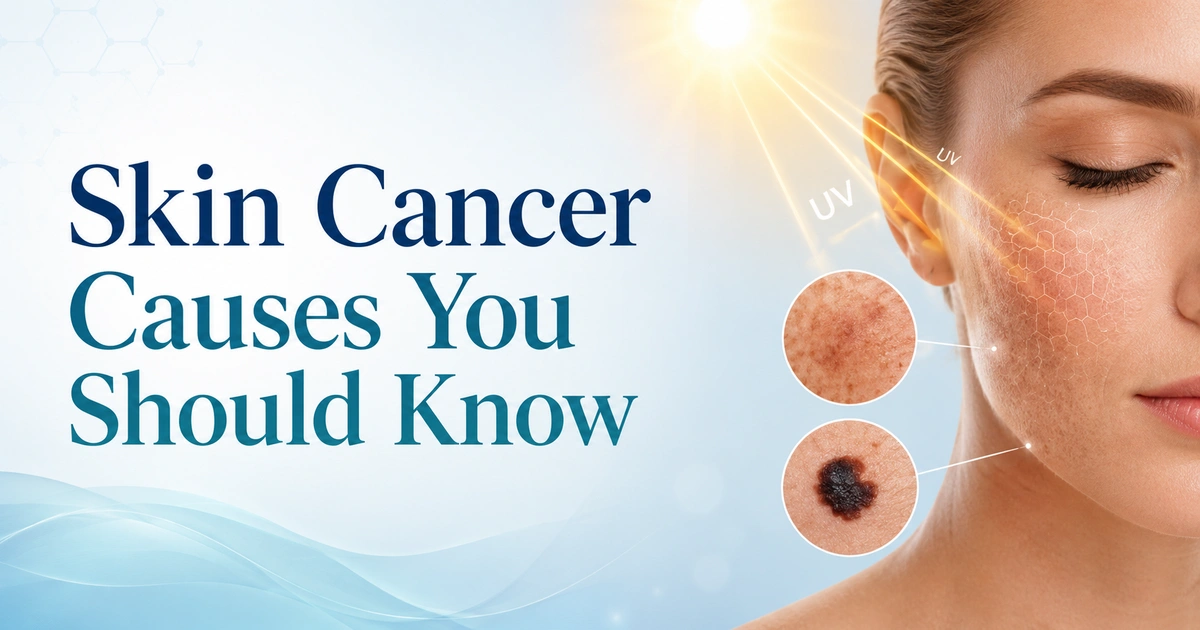
When people think of skin cancer, they usually think of common forms such as basal cell carcinoma, squamous cell carcinoma, or melanoma. However, there are several rare skin cancer types that receive far less attention despite often being more aggressive and difficult to diagnose. These cancers can resemble harmless skin conditions such as bruises, scars, rashes, or eczema, leading to delayed diagnosis and treatment. Understanding these uncommon skin cancers can help individuals recognise warning signs early and seek appropriate medical care.
Common vs Rare Skin Cancer Types
Common Skin Cancer Types
The most common skin cancers include:
- Basal Cell Carcinoma (BCC)
- Squamous Cell Carcinoma (SCC)
- Melanoma
These cancers account for the majority of skin cancer diagnoses and are often linked to long-term ultraviolet (UV) exposure.
Why Rare Skin Cancers Are Different
Rare skin cancers represent a small percentage of cases but can be more challenging to identify. They are often:
- Misdiagnosed as benign skin conditions
- More aggressive than common skin cancers
- Likely to spread if detected late
- Less familiar to the general public
Merkel Cell Carcinoma (MCC)
Merkel Cell Carcinoma is one of the rarest and most aggressive forms of skin cancer. It develops from Merkel cells located in the epidermis and typically appears on sun-exposed areas such as the face, neck, and arms.
Symptoms
- Firm, painless nodule
- Red, pink, or purple-coloured skin lesion
- Rapid growth over weeks or months
- Commonly appears on the face, scalp, or neck
Risk Factors
- Excessive UV exposure
- Age above 60 years
- Weakened immune system
- Merkel cell polyomavirus infection
Treatment Options
Early diagnosis is critical because MCC can spread quickly to lymph nodes and distant organs.
Dermatofibrosarcoma Protuberans (DFSP)
Dermatofibrosarcoma Protuberans is a rare soft-tissue skin tumour that develops in the dermis. Although it grows slowly, it can invade deeper tissues if left untreated.
Symptoms and Appearance
- Scar-like patch or firm skin-coloured bump
- Slow growth over several years
- Reddish or brown lesion
- Commonly found on the trunk, arms, or legs
Risk Factors
The exact cause remains unclear, although many cases are associated with genetic abnormalities involving chromosome translocations.
Treatment Options
- Wide local surgical excision
- Mohs micrographic surgery
- Targeted therapy in advanced cases
- Radiation therapy when surgery is not possible
Long-term follow-up is important because recurrence can occur.
Cutaneous Angiosarcoma
Cutaneous Angiosarcoma is a highly aggressive cancer that originates in blood or lymphatic vessel cells. It is most commonly seen in older adults.
Symptoms
- Purple, red, or blue bruise-like patches
- Slowly enlarging skin lesions
- Bleeding or ulceration in advanced stages
- Commonly affects the scalp and face
Risk Factors
- Previous radiation therapy
- Chronic lymphedema
- Advanced age
- Long-term sun exposure
Treatment Options
- Surgical excision
- Radiation therapy
- Chemotherapy
- Targeted therapies in selected cases
Due to its aggressive nature, early treatment is essential.
Extramammary Paget’s Disease is a rare skin cancer that usually develops in areas rich in sweat glands, including the groin, genital region, underarms, and perianal area.
Symptoms
- Persistent red or scaly skin patches
- Itching, burning, or soreness
- Crusting or oozing lesions
- Symptoms often resemble eczema or fungal infections
Diagnosis
A skin biopsy is required to confirm the diagnosis. Additional tests may be performed to rule out associated internal cancers.
Treatment Options
- Surgical excision
- Mohs surgery
- Radiation therapy
- Topical therapies in selected patients
Because EMPD can recur, regular follow-up is recommended.
Diagnosis of Rare Skin Cancers
Diagnosing rare skin cancers requires a thorough clinical assessment and specialised testing.
Common Diagnostic Methods
- Detailed medical history
- Physical examination
- Dermoscopy
- Skin biopsy
- Histopathological analysis
- Immunohistochemistry
Imaging Tests
Doctors may recommend imaging studies to determine whether the cancer has spread:
Accurate diagnosis helps guide treatment planning and improve outcomes.
Treatment Approaches for Rare Skin Cancers
Treatment depends on the cancer type, stage, and overall patient health.
Surgery
Surgical removal remains the primary treatment for many rare skin cancers.
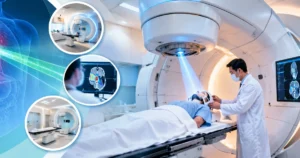
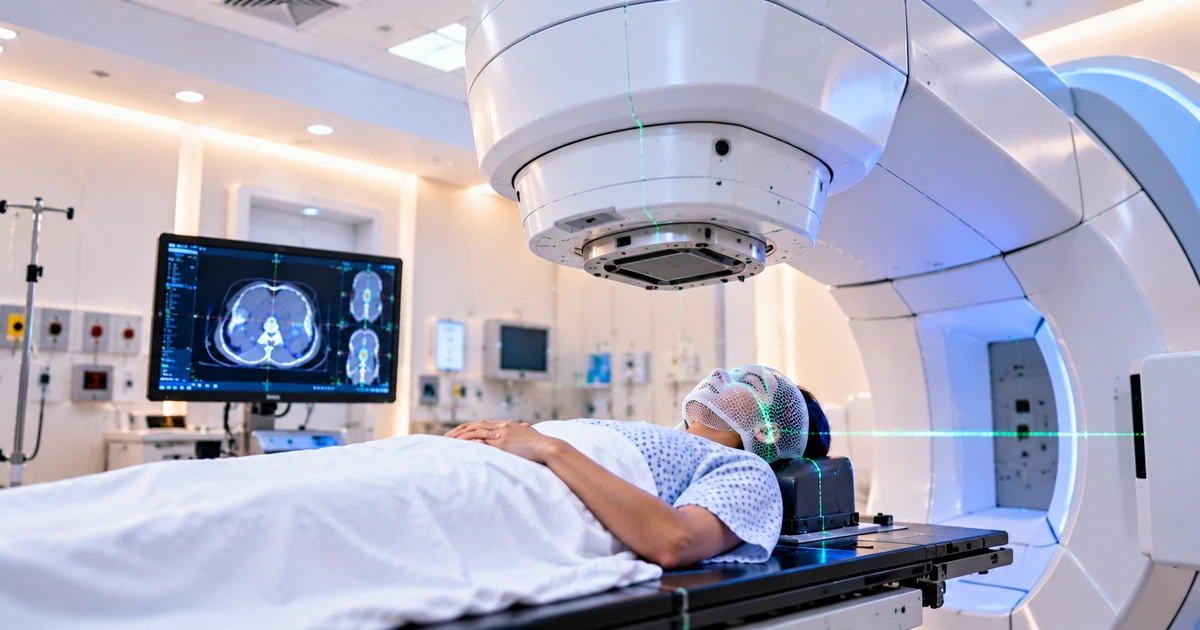
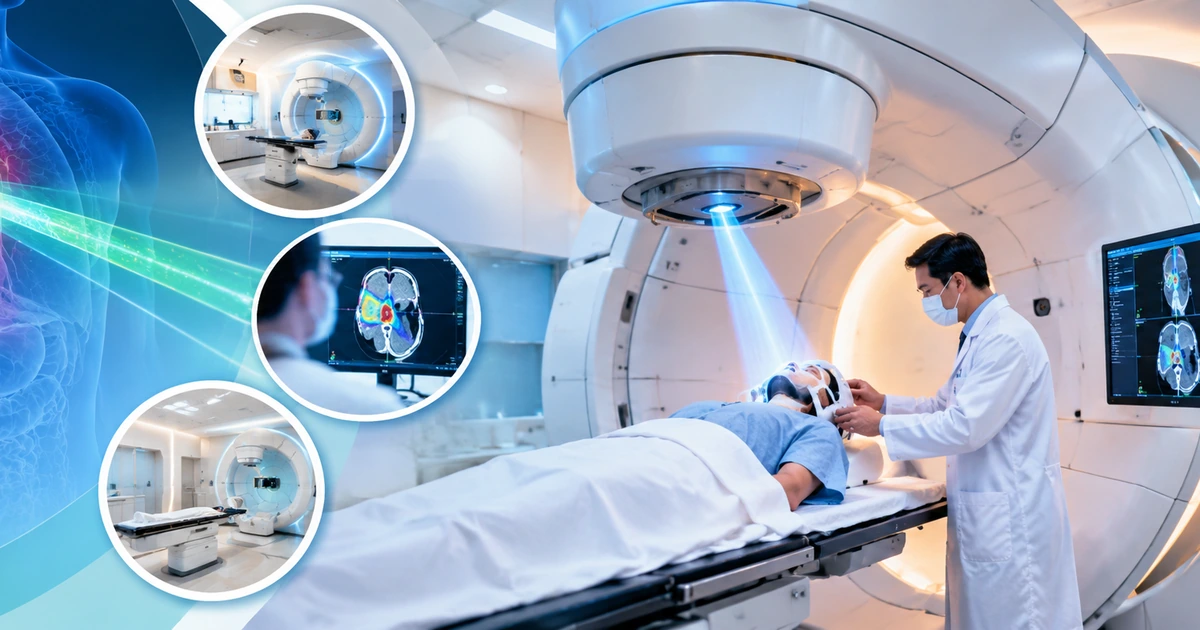
Radiation Therapy
Often used after surgery or when tumours cannot be completely removed.
Chemotherapy
May be recommended for advanced or metastatic disease.
Immunotherapy
Increasingly used for cancers such as Merkel Cell Carcinoma.
Targeted Therapy
Can be effective in selected cancers with specific genetic mutations.
A multidisciplinary team approach often provides the best results.
Importance of Early Detection
Early diagnosis significantly improves survival rates and treatment success.
Warning Signs Not to Ignore
- Persistent bruise-like patches
- Non-healing skin lesions
- Fast-growing nodules
- Chronic itchy or scaly rashes
- Skin changes that continue to worsen over time
When to See a Doctor
Consult a dermatologist or cancer specialist if any skin lesion persists, changes in appearance, or fails to respond to standard treatments.
Skin Cancer Prevention Tips
Although not all skin cancers can be prevented, certain habits can reduce risk.
- Use broad-spectrum sunscreen daily.
- Avoid prolonged sun exposure during peak hours.
- Wear protective clothing, hats, and sunglasses.
- Monitor scars, birthmarks, and unusual skin lesions.
- Schedule regular skin examinations, especially if you have a history of skin cancer.
Conclusion
Rare skin cancers may be uncommon, but they should not be overlooked. Conditions such as Merkel Cell Carcinoma, Dermatofibrosarcoma Protuberans, Cutaneous Angiosarcoma, and Extramammary Paget’s Disease can be difficult to recognise and may resemble harmless skin conditions. Understanding their symptoms, risk factors, and treatment options can help support earlier diagnosis and better outcomes. If you notice any persistent or unusual skin changes, seeking prompt medical evaluation can make a significant difference.