Radiation therapy, sometimes shortened to XRT or RT in clinical notes, is one of the most established cancer treatments in use today, alongside surgery and medications such as chemotherapy. It is not always necessary. Whether it forms part of your treatment plan depends on the type, location and stage of the cancer, and your radiation oncologist will explain if and why it is recommended for you.
How Does Radiation Work?
Radiation therapy uses high-energy particles or waves, such as X-rays, electrons or protons, to damage the DNA of cancer cells. Once enough damage builds up, the cell can no longer divide and eventually dies.
Normal cells are affected too, but they are generally better at repairing this kind of damage than cancer cells are, which is part of why radiation works as a treatment. Whether the goal is curing cancer, controlling its growth or relieving symptoms such as pain, radiation plays a central role in modern oncology. Modern radiation oncologists in Pune use precise targeting techniques, guided by detailed imaging, to protect the healthy tissue surrounding a tumour while still delivering an effective dose to the cancer itself.
In some cases, radiation is the only treatment a patient needs. Prostate and larynx cancers, for example, can often be treated with radiation alone, while breast cancer may need a combination of surgery, radiation and chemotherapy. Our clinical teams tailor this combination to each patient’s cancer type, stage and overall health, rather than applying a single standard protocol to everyone.
Is Radiation Therapy Always Necessary for Cancer?
No. Radiation is one option among several, and not every cancer diagnosis requires it. Your multidisciplinary care team weighs the cancer’s type, stage and location, along with your overall health, before recommending radiation, surgery, medication or a combination. If radiation is recommended, your radiation oncologist will explain exactly why it is the right choice for your specific case, and you can always ask for a second opinion.
When Is Radiation Therapy Used for Cancer?
- Curative intent: to destroy tumours that have not spread to other parts of the body.
- Adjuvant therapy: to lower the risk of cancer returning after surgery or chemotherapy by targeting microscopic cancer cells that may remain.
- Disease management: to slow cancer growth as much as possible.
- Palliative care: to ease symptoms such as pressure or pain caused by growing tumours and improve quality of life. Read more about palliative care at Onco-Life.
What Types of Radiotherapy Are Available?
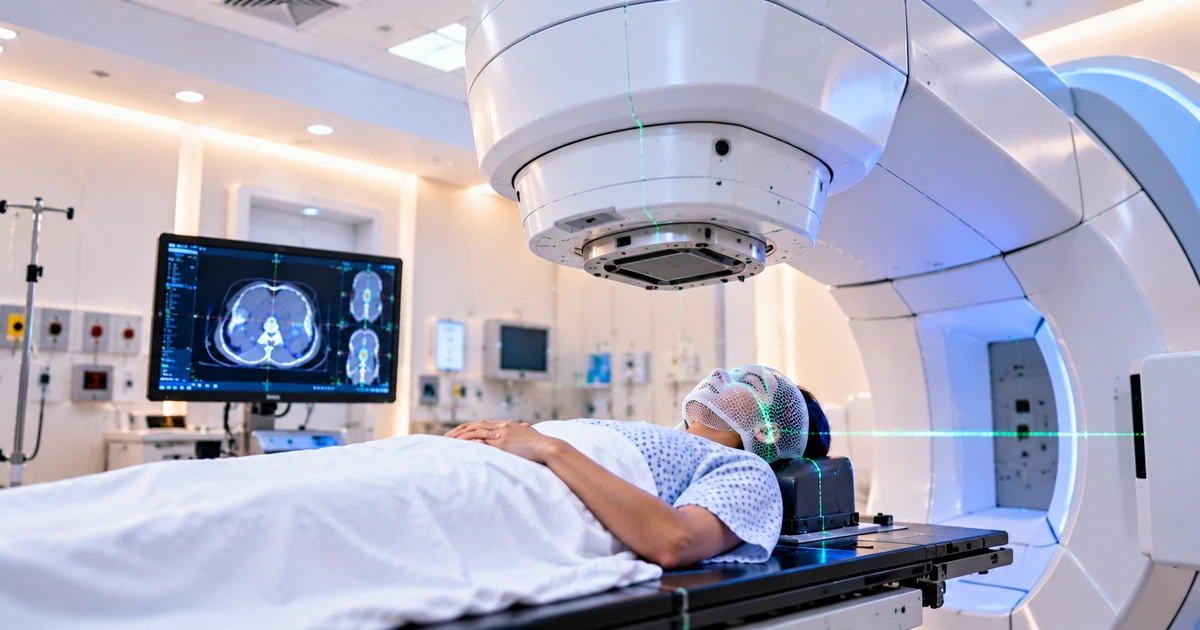
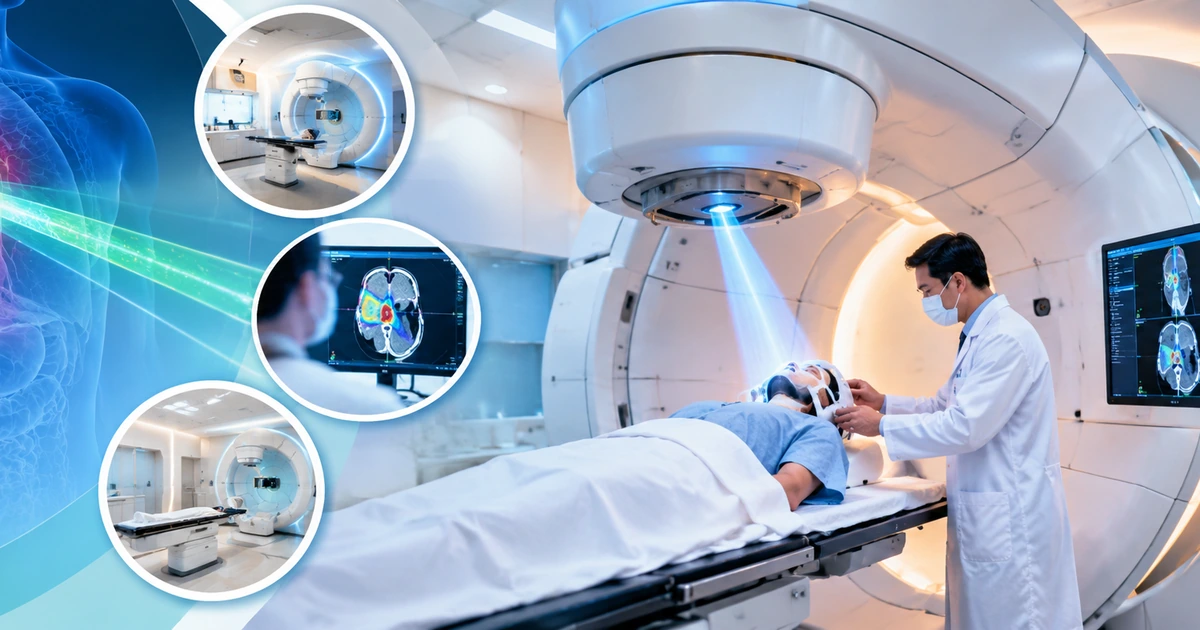
- External Beam Radiation Therapy (EBRT): a machine called a linear accelerator generates high-energy X-rays or electrons aimed precisely at the tumour from outside the body. At Onco-Life, this includes techniques such as IMRT (Intensity-Modulated Radiation Therapy) and TomoTherapy, which shape the radiation dose closely around the tumour.
- Internal radiation (brachytherapy): radioactive sources are placed directly inside or near the tumour. Learn more about internal radiation therapy (brachytherapy) at Onco-Life.
What to Expect During a Course of Radiation Therapy
A course of radiation therapy typically follows a similar pattern, though the exact schedule depends on your specific treatment plan:
- Planning session (simulation): before treatment starts, the team uses CT or MRI imaging to map the exact area to be treated and design a plan around it. Small, permanent skin marks may be used to help align the machine at each session.
- Treatment sessions: most external beam courses involve daily sessions on weekdays over several weeks, though some newer techniques deliver a similar effect in fewer, higher-dose sessions. Each visit is usually quick, even though the appointment itself may take longer due to setup.
- Monitoring: your care team checks in regularly throughout the course to track side effects and adjust supportive care as needed.
- Follow-up: after treatment ends, you’ll have scheduled follow-up visits to monitor your response and manage any ongoing side effects.
Common Side Effects of Radiation Therapy
Side effects depend on the area being treated, the dose, and the individual patient, and many people experience only mild effects. Common ones include:
- Skin changes in the treated area, similar to a sunburn, ranging from mild redness to peeling in some cases.
- Fatigue, which tends to build up gradually over a course of treatment and usually improves within weeks of finishing.
- Site-specific effects, such as a sore throat with head and neck radiation, or nausea with abdominal radiation.
- Localised hair loss, only in the area being treated, not across the whole body.
Most side effects are temporary and manageable with supportive care, and your care team will check in regularly to adjust this as needed. Long-term or delayed side effects are less common with modern, precisely targeted techniques, but your radiation oncologist will discuss any relevant to your specific treatment area before you begin.
Is Radiation Therapy Safe?
Radiation therapy has been used successfully worldwide for over a century, and it remains one of the most extensively studied cancer treatments available. “Safe” in a medical context means the controlled, therapeutic use of radiation, delivered at a calculated dose to a specific area. Like any effective medical treatment, it can cause side effects, but advances in imaging and computer-aided planning have significantly reduced the risks once associated with it, particularly the risk of harm to nearby healthy organs.
When administered by a trained clinical team, radiation therapy is highly controlled. Any risk is managed through rigorous safety protocols, precise, individually calculated dosing, and regular monitoring throughout the course of treatment. This is why radiation therapy is planned and delivered by a specialised team rather than a single individual: radiation oncologists, medical physicists, dosimetrists and radiation therapists each check the plan at different stages before and during treatment.
How Is Radiation Made Safer?
Before treatment begins, the radiation oncology team uses 3D imaging, such as CT or MRI, to plan a course that targets the cancer while avoiding healthy organs. Throughout treatment, medical physicists and dosimetrists check and re-check the plan at every stage.
- External radiation: you are not radioactive once a session ends, since the radiation does not remain in the body.
- Internal (brachytherapy): if you have brachytherapy, small radioactive sources are placed in the body for a period of time. Depending on the type of implant, your radiation oncologist may advise some temporary precautions, such as limiting close, prolonged contact with pregnant women or young children for a short period. These precautions vary by case, and your care team will explain exactly what applies to you before you go home.
If you have questions about whether radiation is right for you, book an appointment with our specialists at Onco-Life Cancer Centre.
References
- American Society for Radiation Oncology. (2022). What is a Radiation Oncologist?
- National Cancer Institute. (2023). Radiation Therapy to Treat Cancer
- Mayo Clinic. (2024). Radiation Therapy: Why It’s Done
- American Cancer Society. (2024). Internal Radiation Therapy (Brachytherapy)
Disclaimer
This article is for informational purposes only and is not a substitute for professional medical advice, diagnosis, or treatment. Always seek the guidance of a qualified healthcare provider with any questions regarding a medical condition.