Breast cancer is one of the most common cancers among women in India, and one of the first questions after a diagnosis – or a scare – is simply why. What causes breast cancer, and could it have been prevented? This guide explains what causes breast cancer, why it occurs, the risk factors that raise the odds, how to lower your risk, and what life after breast cancer treatment looks like.
What Is Breast Cancer?
Breast cancer develops when cells in the breast begin to grow abnormally and multiply out of control, forming a lump or mass. It can start in the milk ducts, the milk-producing glands, or other breast tissue, and if left untreated it can spread to nearby lymph nodes or other parts of the body.
What Causes Breast Cancer?
Breast cancer occurs when changes (mutations) develop in the genes that control how breast cells grow and divide. These faulty cells keep multiplying instead of dying off, gradually forming a tumour. This is how breast cancer forms – but the exact cause, or etiology, of most breast cancers is not known.
In the majority of cases there is no single reason. Instead, breast cancer results from a combination of hormonal, genetic, lifestyle and environmental factors that build up over time. This is why two people with similar lifestyles can have very different outcomes, and why many women diagnosed have no obvious cause at all.
A small proportion of breast cancers – about 5 to 10 in every 100 – are linked to inherited gene changes, most commonly BRCA1 and BRCA2, passed down through families.
Why Does Breast Cancer Occur? The Main Risk Factors
Because there is rarely one single cause, doctors talk about risk factors – things that increase the chance of developing breast cancer. They fall into two groups.
Risk factors you cannot change
- Being a woman – breast cancer is far more common in women, though men can develop it too.
- Increasing age – risk rises with age, and most breast cancers are diagnosed in women over 40 to 50.
- Family history and inherited genes such as BRCA1 and BRCA2.
- Personal history of breast cancer or certain benign breast conditions.
- Early periods (before age 12) or late menopause (after 55), which increase lifetime exposure to hormones.
- Dense breast tissue.
Risk factors you can influence
- Being overweight or obese, especially after menopause.
- Drinking alcohol.
- Physical inactivity.
- Long-term hormone replacement therapy (HRT).
- Not having children, or having a first child later in life.
- Not breastfeeding, as breastfeeding may offer some protection.
Having one or more of these does not mean a person will definitely develop breast cancer – it only raises the overall risk.
Can You Reduce Your Risk?
Not all breast cancer can be prevented, but you can lower your risk by maintaining a healthy weight, staying physically active, limiting alcohol, breastfeeding when possible, and being cautious about long-term hormone therapy. Just as important is early detection – knowing what is normal for your body and attending regular screening, so that any cancer is found at its most treatable stage.
Early Signs, Symptoms and Screening
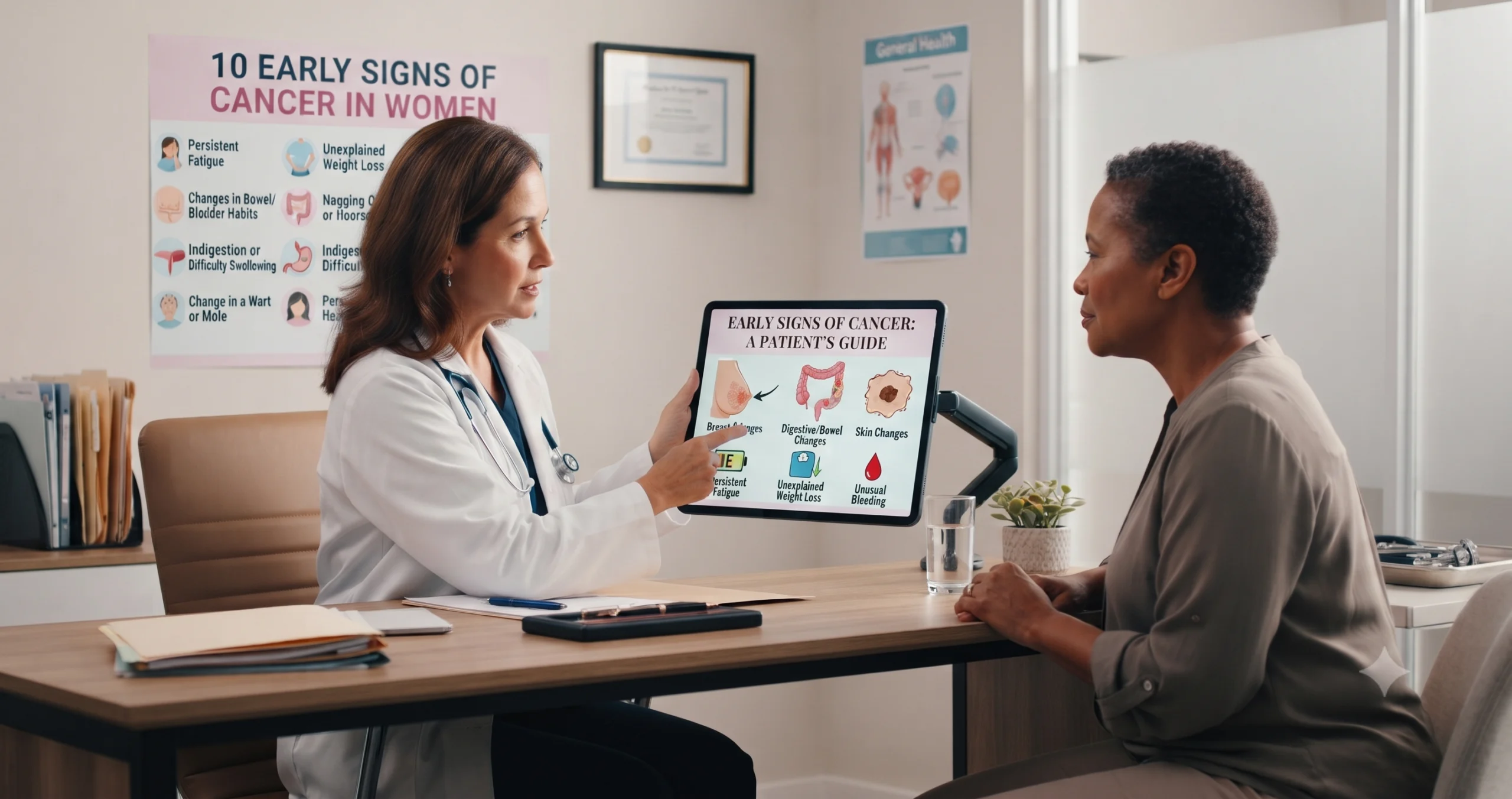
See a doctor if you notice a new lump in the breast or underarm, a change in breast size or shape, dimpling or puckering of the skin, nipple discharge (especially with blood), or a nipple that turns inward. Regular breast self-awareness, clinical examination and mammography help catch breast cancer early. Women at higher risk may be advised to begin screening earlier.
How Breast Cancer Is Treated
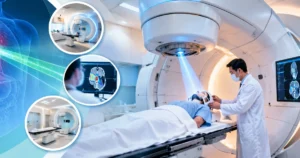
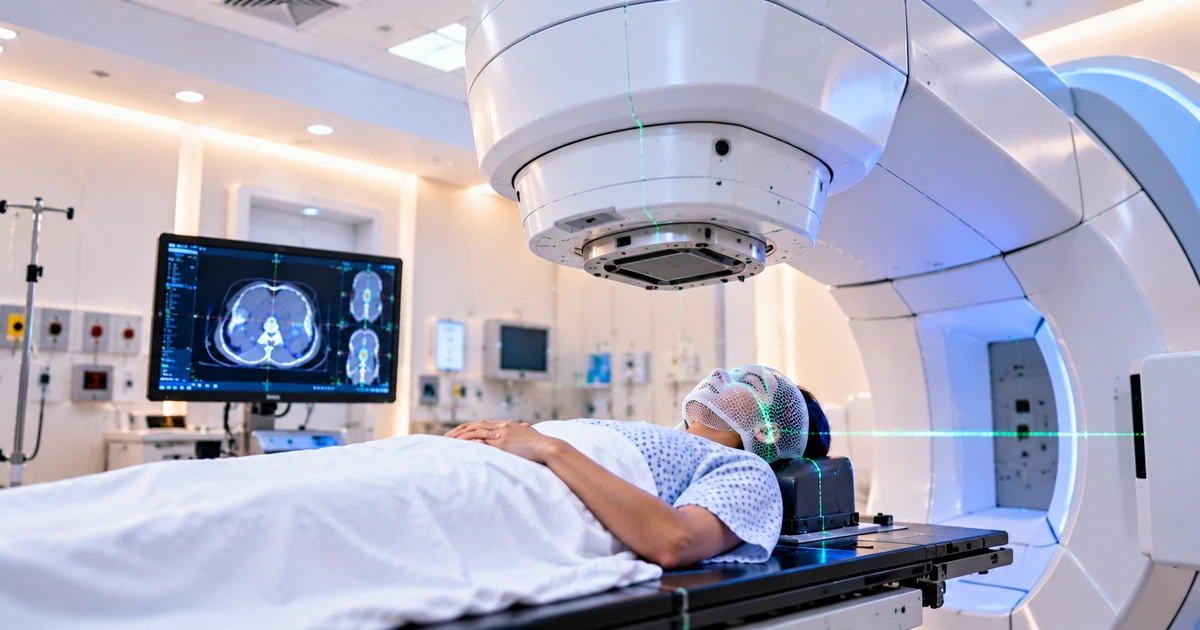
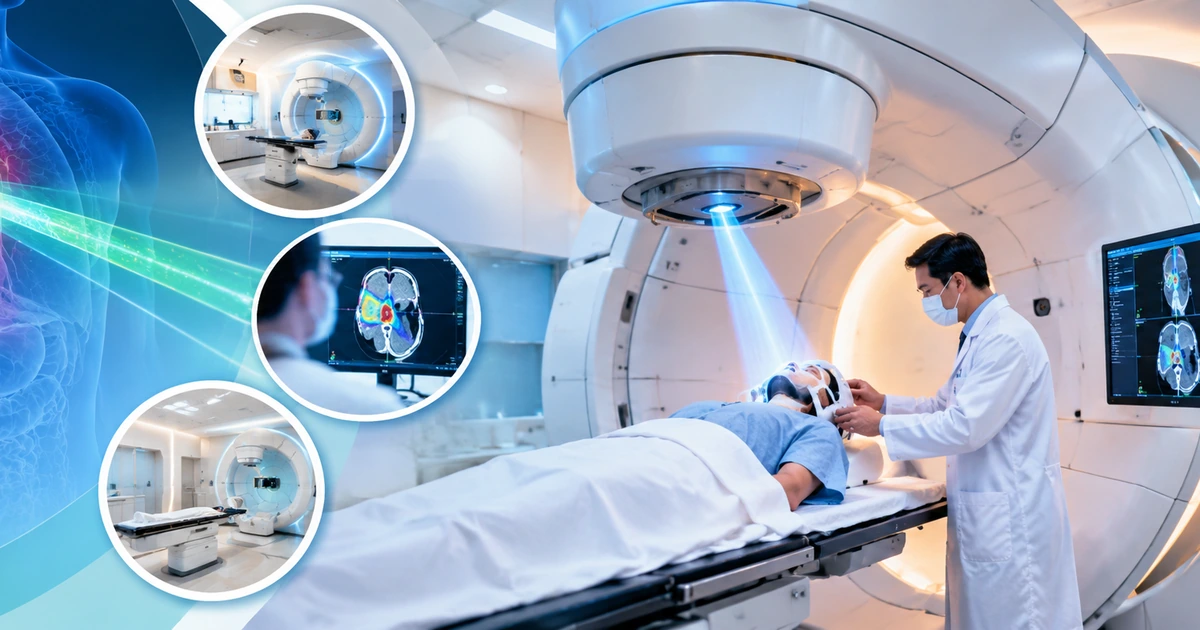
Treatment depends on the type and stage of the cancer and usually combines several approaches – surgery (breast-conserving surgery or mastectomy), radiation therapy, chemotherapy, hormone therapy and targeted therapy. Care is planned by a team, and a breast cancer surgeon in Mumbai works alongside medical and radiation oncologists to design the right plan. Patients can access complete breast cancer treatment in Mumbai and breast cancer treatment in Navi Mumbai through Onco-Life’s network.
Life After Breast Cancer Treatment
Finishing treatment is a major milestone, but recovery continues in several ways.
Physical recovery: Energy, strength and side effects such as fatigue improve gradually. Gentle exercise, good nutrition and rest support healing.
Emotional wellbeing: Anxiety, low mood or fear of recurrence are common. Counselling, support groups and talking openly with family and your care team can help.
Follow-up care: Regular check-ups and mammograms monitor recovery and watch for any sign of the cancer returning. Keeping these appointments is one of the most important parts of survivorship.
Fertility and family planning: Some treatments can affect fertility. If you may want children in future, discuss fertility-preservation options with your oncologist before treatment begins.
Lowering recurrence risk: A healthy weight, regular activity, limited alcohol and taking prescribed medicines (such as hormone therapy) as directed can all help reduce the chance of the cancer coming back.
Care and Support at Onco-Life
Onco-Life Cancer Centre is a NABH-accredited oncology network across Maharashtra, offering complete breast cancer care – from screening and diagnosis to treatment and survivorship support – under one roof. Patients can consult an experienced breast cancer specialist in Mumbai and get transparent guidance on breast cancer treatment cost in Mumbai, with treatment at the Satara, Chiplun, Talegaon and Wagholi (Pune) centres. Eligible patients are covered under MJPJAY and PM-JAY (Ayushman Bharat) schemes.
Frequently Asked Questions