
M.B.B.S., M.D., D.N.B., DrNB
Consultant Clinical & Radiation Oncologist
Modern oncology has moved beyond the traditional combination of surgery, chemotherapy and radiation to a precision-medicine approach that tailors treatment to each tumour’s biology. Today’s treatment landscape integrates these established tools with newer options like targeted drugs and immunotherapy, aiming to improve both outcomes and quality of life.
Foundational Treatment Modalities
These methods form the established backbone of curative and palliative cancer care.
- Surgery Surgery remains one of the most common and effective treatments, particularly for localised cancers caught early. It involves removing the tumour and, often, a margin of surrounding healthy tissue to help ensure complete removal of cancerous cells. Modern minimally invasive techniques have improved precision and shortened recovery times.
- Radiation Therapy
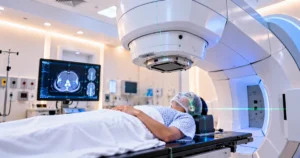
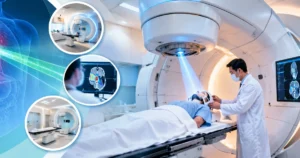
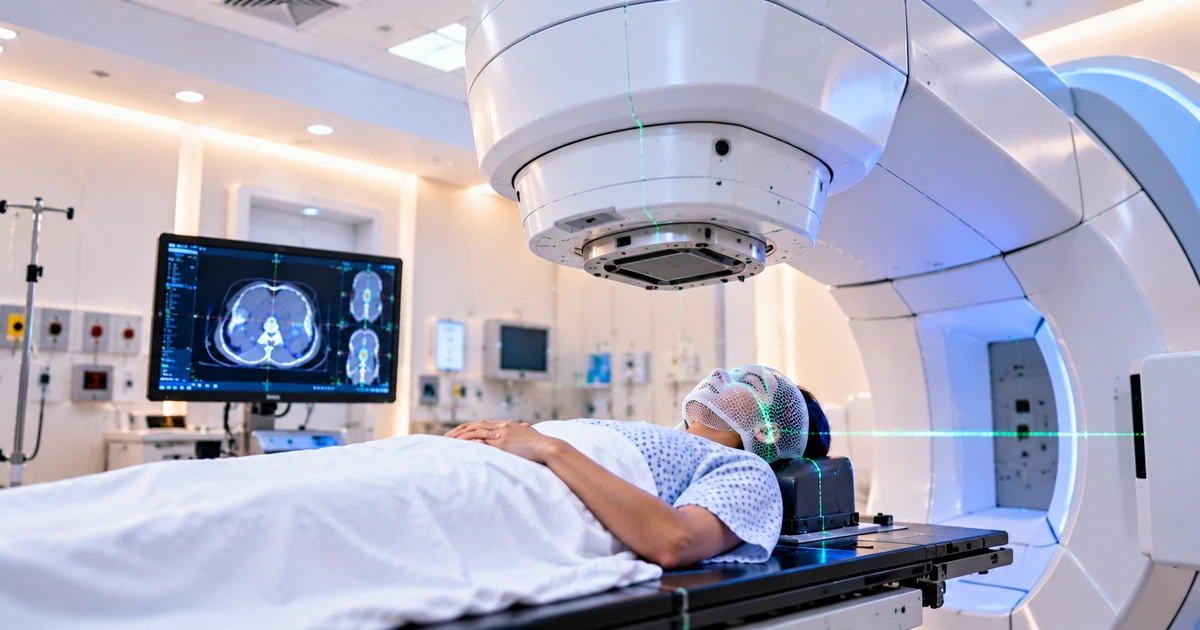
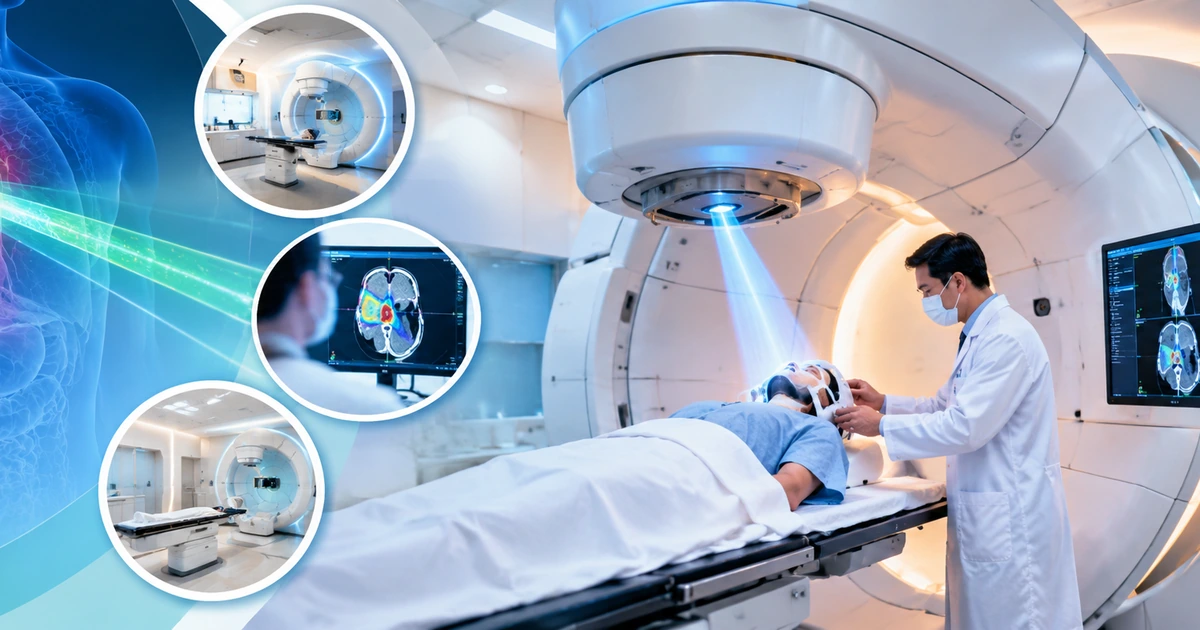
Radiation therapy uses high-energy beams to damage the DNA of cancer cells, either as a standalone curative treatment or combined with other modalities. Techniques such as IMRT (Intensity-Modulated Radiation Therapy) and TomoTherapy shape the radiation beam precisely, focusing the dose on the tumour while sparing healthy tissue nearby. Onco-Life’s radiation oncologists in Pune provide radiation therapy in Pune using these techniques. Read our full guide to how radiation therapy works for more detail. - Chemotherapy
Chemotherapy uses drugs to kill rapidly dividing cells. It is essential for treating cancer that has spread and for shrinking tumours before surgery or clearing residual cells afterward. We offer chemotherapy in Pune: read more in our chemotherapy guide. - Targeted Therapy
Targeted therapy uses drugs designed to interfere with specific molecules that cancer cells need to grow and spread. Examples include drugs that block growth signals or that stop tumours forming the new blood vessels they need to grow. - Immunotherapy
Immunotherapy uses the body’s own immune system to recognise and attack cancer cells. Checkpoint inhibitors release the “brakes” on immune cells so they can identify tumours; CAR T-cell therapy modifies a patient’s own T-cells in a lab to target specific cancer markers before reinfusing them. Not all tumours respond, and immune-related side effects such as colitis or thyroid changes need timely management. Learn more in our immunotherapy guide. - Hormone Therapy
Hormone therapy is used for cancers driven by hormones, mainly breast and prostate cancer. It works by lowering hormone levels in the body or blocking their effect on cancer cells. - Stem Cell Transplant (Bone Marrow Transplant)
Stem cell transplants restore the body’s ability to make healthy blood cells after high-dose chemotherapy or radiation. This is important for blood cancers such as leukaemia, lymphoma and multiple myeloma, using either the patient’s own cells or a donor’s.
Combining Treatments for Better Results
Modern oncology rarely relies on a single treatment. Combining surgery with chemotherapy before the operation to shrink a tumour, or pairing immunotherapy with radiation to make a tumour more responsive to immune attack, lets doctors tailor a plan to each cancer’s molecular profile.
Do Diets, Fasting or Natural Remedies Cure Cancer?
Searches for cancer treatment often lead to claims about foods, fasting or supplements said to “kill cancer cells” or cure the disease. None of these, including essiac tea, baking soda, wheatgrass or fulvic acid, have been shown in clinical studies to cure or treat cancer. Good nutrition supports the body during treatment, but it is not a substitute for surgery, radiation, chemotherapy or the other evidence-based treatments described above. If you are considering any supplement or diet change during treatment, discuss it with your oncology team first, since some can interfere with active treatment.
Conclusion
Cancer treatment today combines the precision of modern surgery and radiation with the biological approach of immunotherapy. The goal of modern oncology is to match the right combination of treatments to each patient’s specific cancer, supporting both disease control and quality of life. To discuss which combination may be right for you, book an appointment with our specialists at Onco-Life Cancer Centre.
References
- National Cancer Institute (NCI). (2023). Surgery to Treat Cancer
- American Society of Clinical Oncology (ASCO). (2020). Minimally Invasive Surgery for Cancer
- American Cancer Society (ACS). (2022). Understanding Radiation Therapy National Association for Proton Therapy (NAPT). (2023).
- What is Proton Therapy?
- National Cancer Institute (NCI). (2023). Chemotherapy to Treat Cancer
- American Cancer Society (ACS). (2023). Targeted Drug Therapy for Cancer
- National Cancer Institute (NCI). (2022). Immunotherapy to Treat Cancer
- Puzanov, I., Diab, A., & Horvat, S. Z. (2017). Journal for Immunotherapy of Cancer, 5(1), 95. Managing toxicities from immune checkpoint inhibitors
- Mayo Clinic. (2023). Bone Marrow Transplant
- Luke, J. J., & Postow, M. A. (2019). Clinical Cancer Research, 25(11), 3209-3215. The synergy of radiation and immune checkpoint inhibition
Disclaimer
This article is for informational purposes only and is not a substitute for professional medical advice, diagnosis, or treatment. Always seek the guidance of a qualified healthcare provider with any questions regarding a medical condition.
Frequently Asked Questions
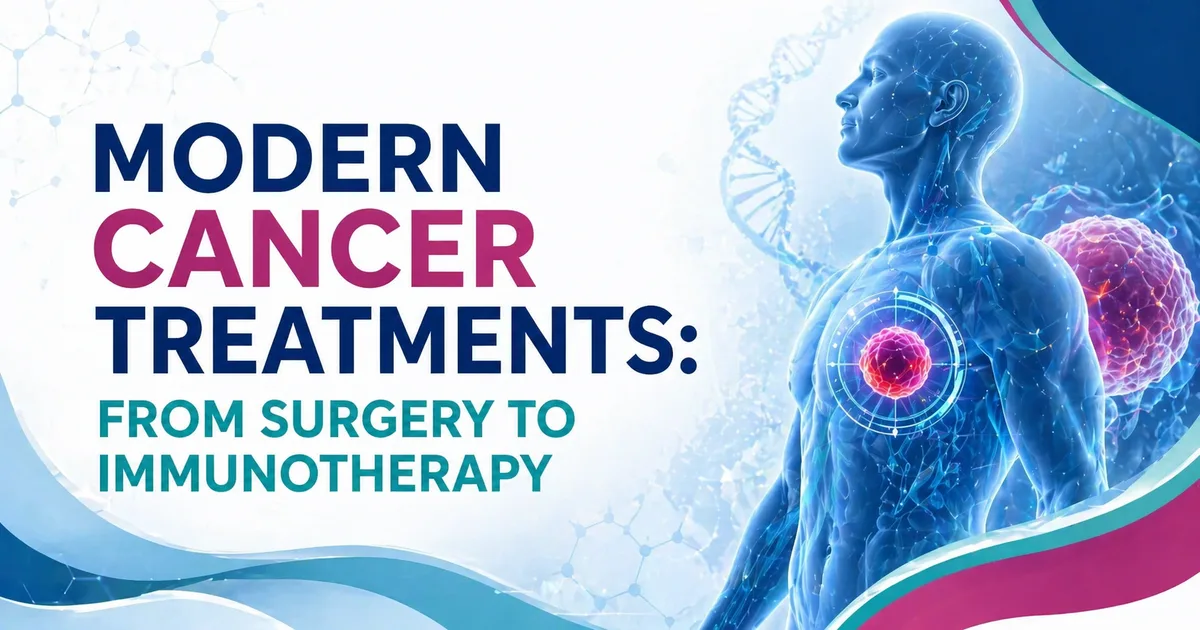
Modern Cancer Treatments: From Surgery to Immunotherapy
What Is Immunotherapy, And How Is It Different From Chemotherapy?
Immunotherapy activates your immune system to attack cancer; chemotherapy directly kills fast-dividing cells. Many patients receive both together for a stronger effect.
Which Cancers Respond Best To Immunotherapy?
Melanoma, lung, kidney, urothelial, head-and-neck and certain lymphomas often respond well. Your oncologist will test biomarkers before recommending it.
How Long Does Immunotherapy Take To Show Results?
Most patients are reassessed at 6 to 12 weeks using scans. Some tumours appear larger briefly before shrinking, so imaging and symptoms are both considered.
Can Immunotherapy Be Combined With Other Cancer Treatments?
Yes. It is often paired with chemotherapy, targeted therapy or radiation, before or after surgery, to increase response and prevent recurrence.
What Are The Side Effects Of Immunotherapy?
Immune activation can inflame organs, causing rash, thyroid changes, diarrhoea or breathing issues. Report new symptoms promptly; most are manageable if caught early.
Is Immunotherapy Available In India?
Yes, at major cancer centres including Onco-Life. Coverage varies by insurer and government scheme; discuss costs and eligibility with your care team.
Do Glp-1 Medications Like Semaglutide Affect Cancer Risk?
Research is ongoing. Some 2026 data suggests possible benefit in certain obesity-related cancers, but evidence is still developing. Discuss your specific medications with your oncologist.