Breast Cancer Ke Symptoms | स्तन कैंसर के लक्षण:
स्तन में नई गांठ, त्वचा में बदलाव, निप्पल का अंदर मुड़ना, या स्तन के आकार में बदलाव – ये सभी स्तन कैंसर के शुरुआती लक्षण हो सकते हैं। दो सप्ताह से अधिक समय तक रहने पर डॉक्टर से मिलें। MJPJAY और Ayushman Bharat के तहत उपलब्ध है।
Early Signs of Breast Cancer: The Most Common First Symptoms
The early signs of breast cancer are often subtle. The most common first symptom is a new lump or thickened area in the breast or armpit – often firm, irregular in shape, and not painful in the early stages. Other early signs include a change in breast size or shape, dimpling of the skin, nipple changes, or skin that looks like orange peel (peau d’orange).
Many early breast cancer symptoms are painless, which is why they are easy to dismiss or attribute to hormonal changes. Any change that is new, persists for more than two to three weeks, or is different from the other breast should be evaluated by a doctor – even if you have recently had a normal mammogram.
The 5 Warning Signs of Breast Cancer
The five most commonly cited warning signs of breast cancer are:
- A new lump or thickening in the breast or armpit – firm, hard, and different from surrounding tissue. This is the most common first sign of breast cancer.
- A change in breast size, shape, or appearance – one breast becoming visibly larger, drooping differently, or changing in contour.
- Skin changes – dimpling, puckering, redness, or thickening of the breast skin. Skin that resembles orange peel texture (peau d’orange) is a significant sign.
- Nipple changes – a nipple that turns inward (nipple inversion) when it did not before, nipple discharge (especially if bloody or clear), or a rash or crust on the nipple.
- Persistent breast pain or tenderness in one specific area – though breast cancer is often painless in early stages, persistent pain in one location that does not change with the menstrual cycle should be evaluated.
Not all of these signs indicate cancer – many have benign causes. However, any sign that is new, persistent, or different should be evaluated by a doctor.
What is Usually the First Sign of Breast Cancer?
The first sign of breast cancer that most people notice is a new lump or thickened area in the breast or armpit. The lump is typically firm, has an irregular shape, and may feel different from the surrounding breast tissue. In most early cases, the lump is not painful, which is why it can be easy to dismiss.
For some women, the first sign is not a lump but a change noticed on a routine mammogram before any physical symptom develops. Other first presentations include: a change in the appearance of the skin overlying the breast, a nipple change (particularly a nipple turning inward for the first time), or unexplained discharge from one nipple.
Any new change that you have not noticed before should be investigated, even if you have had a recent normal mammogram. Mammography does not detect all breast cancers, and clinical examination remains important.
Breast Cancer Symptoms at Early Stage (Stage 1 and Stage 2)
Breast cancer symptoms vary depending on the stage at which the cancer is detected:
Stage 0 (DCIS – Ductal Carcinoma In Situ): Usually no symptoms. May be detected by mammography only. The cancer cells are confined to the milk ducts and have not spread into surrounding breast tissue. This is the earliest detectable stage.
Stage 1 Breast Cancer Symptoms: A small lump (typically under 2 cm) in the breast or armpit. Often firm and not painful. Skin and nipples usually appear normal. Most Stage 1 breast cancers are detected on mammograms or clinical breast examination.
Stage 2 Breast Cancer Symptoms: A larger or more distinct lump (2 to 5 cm), or a smaller tumour with regional lymph node involvement. The lump may now be easier to feel. Skin changes may begin to appear in some cases.
Stage 3 Breast Cancer Symptoms: A larger tumour or multiple lymph nodes involved. May include visible skin changes (redness, puckering, swelling), nipple changes, or visible lymph node enlargement in the armpit or collarbone area.
Stage 4 (Advanced or Metastatic) Breast Cancer: In addition to breast symptoms, there may be pain in specific bones, shortness of breath, unexplained fatigue, or headaches – indicating spread to bones, lungs, brain, or other organs.
Common Signs and Symptoms of Breast Cancer
Symptoms can vary widely among individuals. If you notice any of these signs, particularly if they are new or persistent, a consultation with a healthcare provider is warranted.
1. Lump or Mass
- A new lump or mass in the breast or underarm (axilla). This is the most common symptom.
- The lump may feel hard, often painless, and have irregular edges, though some benign lumps can feel similar.
2. Changes in Size and Shape
- A noticeable change in the size or shape of one breast.
- Swelling of all or part of a breast, even if no distinct lump is felt.
3. Skin Changes
- Dimpling, puckering, or thickening of the breast skin. This can resemble the surface of an orange peel, a condition known as peau d’orange.
- Redness, scaling, or flaking of the skin around the nipple or breast.
4. Nipple Changes and Discharge
- Nipple retraction (turning inward) or inversion.
- Nipple discharge, particularly bloody, clear, or spontaneous (occurring without squeezing) in non-lactating women.
- Pain or tenderness in the nipple area.
5. Pain
- While breast cancer is often painless, unexplained or persistent breast pain (mastalgia) or discomfort that lasts for a long time in one area should not be ignored.
Why Early Detection is Crucial
Finding breast cancer early, before it has had a chance to spread (metastasize), dramatically increases the chances of successful treatment and long-term survival.
- Survival Rates:Localized breast cancer (confined to the breast) has a 5-year relative survival rate of approximately 99%. This rate drops significantly once the disease has spread regionally (to lymph nodes) or distantly (to other organs).
- Treatment Options:
Early detection allows doctors to choose less aggressive or less invasive treatments, such as breast-conserving surgery (lumpectomy) rather than mastectomy, and potentially reduced needs for extensive chemotherapy.
Access to the right cancer care facilities and advanced diagnostic services plays a critical role in early detection and timely treatment. Below are specialised centres offering comprehensive cancer care and PET/CT imaging support:
Breast Cancer Treatment at Onco-Life Cancer Centre, Maharashtra
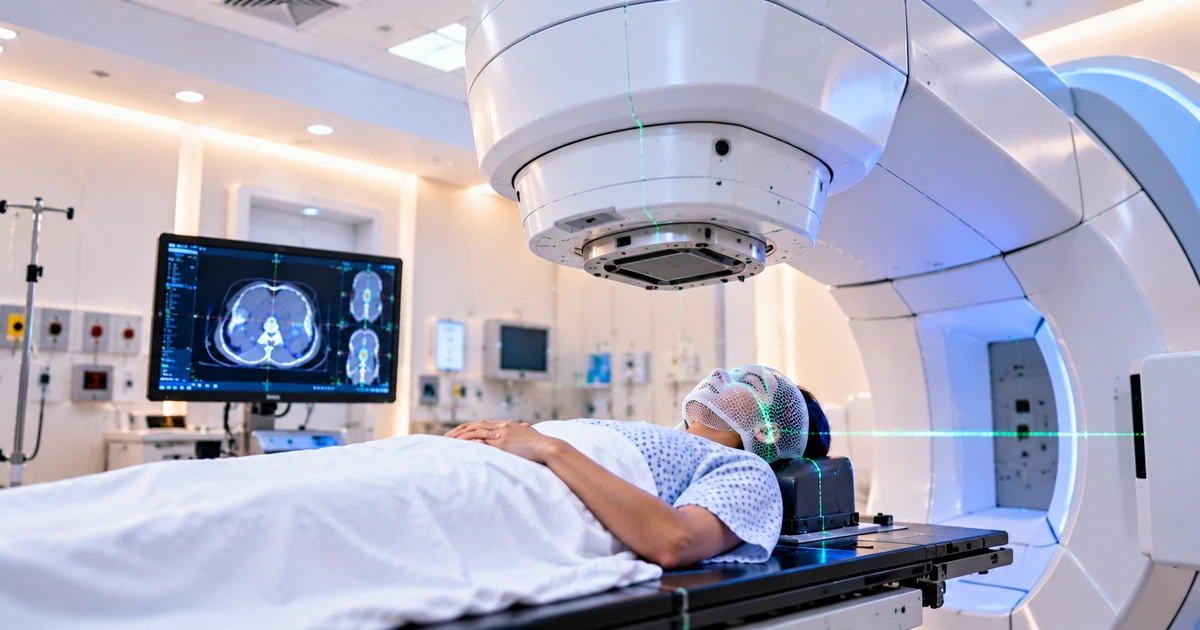
Onco-Life Cancer Centre has a dedicated Breast Cancer Specialty Unit serving patients across Maharashtra. Services include: clinical breast examination; mammography and sonography; biopsy and digital pathology; surgical oncology (breast conservation surgery, mastectomy, lymph node management); radiation oncology (including TomoTherapy for complex breast cases); medical oncology (chemotherapy, hormone therapy, targeted therapy, immunotherapy); and multidisciplinary Tumour Board review before every treatment plan. If you have noticed any of the symptoms described in this article, do not delay seeking medical advice. Onco-Life Cancer Centre provides breast cancer consultations at Talegaon, Wagholi (Pune), Satara, and Chiplun.
Breast Cancer Treatment Under MJPJAY and Government Health Schemes
Onco-Life Cancer Centre is empanelled with MJPJAY (Mahatma Jyotirao Phule Jan Arogya Yojana) for eligible Maharashtra residents, Ayushman Bharat (PM-JAY), and CGHS. Breast cancer surgery, radiation therapy, chemotherapy, and PET-CT Scan may be covered for eligible patients. Eligibility criteria apply.
Medically reviewed by Dr. Siddhesh Tryambake, M.B.B.S., M.D., D.N.B., DrNB, Consultant Medical Oncologist, Onco-Life Cancer Centre. Last reviewed: May 2026.
Disclaimer: The information on this page is for general health education only and does not constitute medical advice. If you have noticed any unusual change in your breast, please consult a qualified oncologist or breast specialist promptly. Individual clinical outcomes depend on many factors including the specific cancer type, stage, and individual patient health. Do not use this page as a substitute for professional medical evaluation.