Medically reviewed by [Reviewer name, designation], Onco-Life Cancer Centre Published: [date] | Last medically reviewed: [date]
Bone cancer is a rare condition in which abnormal cells grow in a bone. There are several bone cancer types, and they fall into two broad groups: primary bone cancers that start in the bone itself, and secondary bone cancer that spreads to the bone from another organ. Knowing the main bone cancer types, their early signs, and how they are diagnosed can help you seek the right care sooner.
If you or someone close to you is facing a possible bone cancer diagnosis, this guide explains the condition in plain language. At Onco-Life Cancer Centre, a specialist team will help you understand your diagnosis and your options at every step.
What Is Bone Cancer?
Bone cancer happens when cells in a bone start to grow in an uncontrolled way and form a tumour. Primary bone cancer, which begins in the bone, is uncommon. Secondary bone cancer, where cancer spreads to bone from elsewhere, is far more common.
It helps to know that not every cancer found in bone is a primary bone cancer. Some blood cancers such as multiple myeloma and leukaemia begin in the bone marrow and are treated differently from the bone cancers described below.
The Main Bone Cancer Types
Understanding the different bone cancer types matters because each one behaves differently and needs a different treatment plan. Primary bone cancer types include the following.
Osteosarcoma
Osteosarcoma is the most common primary bone cancer. It usually affects teenagers and young adults and often develops around the knee, the shoulder, or the hip.
Ewing Sarcoma
Ewing sarcoma is a fast-growing cancer that mainly affects children and young adults. It can start in a bone or in the soft tissue around it, commonly in the pelvis, legs, or ribs.
Chondrosarcoma
Chondrosarcoma begins in cartilage cells and is more common in adults over 40. Surgery is usually the main treatment, as this type often responds less well to chemotherapy.
Chordoma and Giant Cell Tumour of Bone
Chordoma is a rare tumour that usually forms in the spine or the base of the skull. Giant cell tumors of bone are often non-cancerous but can grow aggressively near the ends of long bones.
Secondary (Metastatic) Bone Cancer
Secondary bone cancer occurs when cancer from another part of the body spreads to bone. The cancers that most often spread to bone are breast, lung, prostate, kidney, and thyroid cancers. Treatment focuses on controlling the disease, protecting the bone, and relieving pain.
Signs of Bone Cancer
The signs of bone cancer can be easy to mistake for an injury or everyday aches, so it helps to know what to look for. Speak to a doctor if you notice:
- Bone pain that does not go away and may get worse at night or with activity
- Swelling or a lump over a bone or joint
- A bone that breaks after a minor injury or no clear cause
- Reduced movement, stiffness, or a limp
- Tiredness or unexplained weight loss in more advanced cases
These symptoms are far more often caused by something other than cancer. Still, any pain or swelling that lasts more than a couple of weeks should be checked.
Bone Cancer Reasons and Risk Factors
For most people, the reasons behind bone cancer are not known, and it cannot be prevented. Research has identified a few factors that may raise the risk. Known bone cancer reasons and risk factors include:
- Previous radiation therapy to an area, usually at high doses
- Certain inherited conditions, such as Li-Fraumeni syndrome and hereditary retinoblastoma
- Paget disease of bone, which mainly affects older adults
- A small number of benign bone conditions
It is worth clearing up a common myth: a knock or injury does not cause bone cancer, although an injury sometimes draws attention to a tumour that was already there.
How People Usually Find Out They Have Bone Cancer
A question many patients ask is how others found out they had bone cancer in the first place. In most cases, it starts with pain or swelling that does not settle. A visit to the doctor leads to an X-ray, which may show a change in the bone. Sometimes a bone that breaks unexpectedly is the first sign, and occasionally a tumour is found on a scan done for another reason.
Whatever the first sign, the next step is always the same: a set of tests to confirm the diagnosis and find out the exact type and extent of the cancer.
How Bone Cancer Is Diagnosed
No single test can diagnose bone cancer on its own. Your doctor may recommend some or all of the following:
- An X-ray, often the first test
- An MRI or CT scan to show the tumour and nearby tissue in detail
- A PET-CT scan or bone scan to check whether the cancer has spread
- A biopsy, where a small sample of the tumour is examined under a microscope
A biopsy gives the definitive diagnosis. It is important that a biopsy for suspected bone cancer is planned by a specialist team, because how and where it is done can affect later surgery.
Treatment Options for Bone Cancer
Treatment Options for Bone Cancer
Because bone cancer types behave so differently, treatment is tailored to each patient. Your care team will confirm which of the bone cancer types you have before planning treatment. Options may be used alone or together and include:
- Surgery: removing the tumour while preserving the limb wherever possible. Limb-sparing surgery is now the standard approach for most primary bone tumours of the arms and legs.
- Chemotherapy: medicines that treat cancer throughout the body, often used for osteosarcoma and Ewing sarcoma before and after surgery.
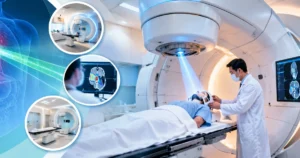
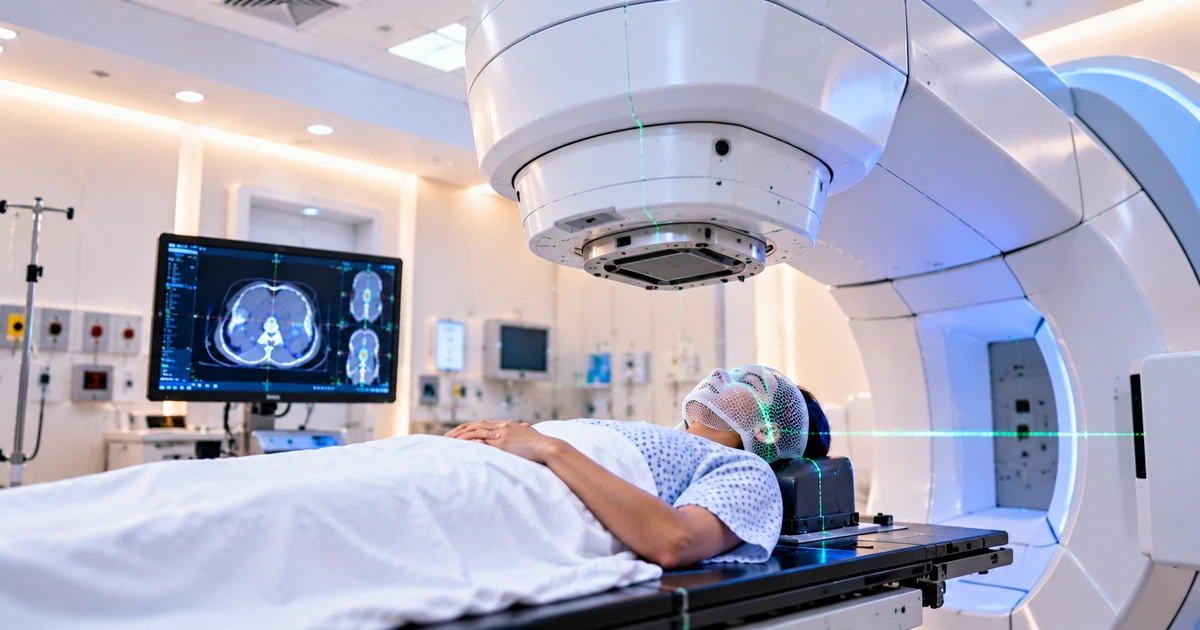
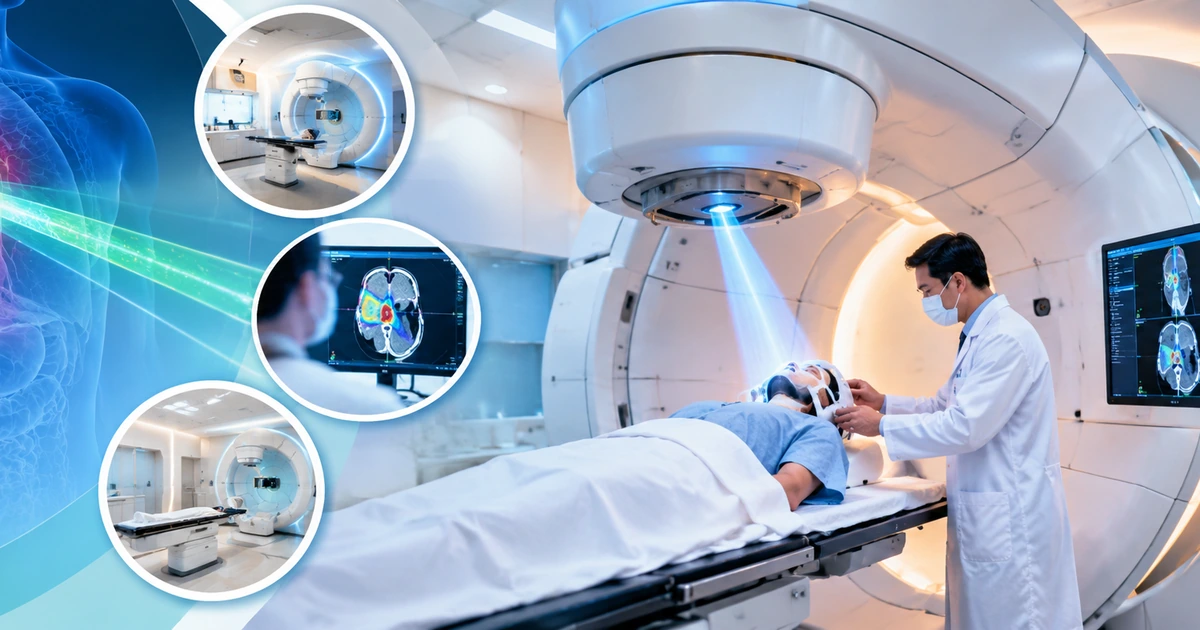
- Radiation therapy: targeted radiation, which is particularly useful for Ewing sarcoma and for controlling secondary bone cancer.
- Targeted and supportive care: treatments matched to the specific cancer, along with care to protect bone strength and manage pain.
At Onco-Life, every case is reviewed by a tumour board of specialists before treatment begins. You can read more about our bone cancer specialists and surgery options, including limb-sparing procedures performed by orthopaedic oncologists.
Free and Government-Supported Cancer Treatment
A cancer diagnosis brings worry about cost as well as health. No hospital provides cancer treatment completely free from its own funds, which is why many families search for free cancer treatment. What makes low-cost or cashless treatment possible is government health schemes that cover eligible patients.
- Mahatma Jyotirao Phule Jan Arogya Yojana (MJPJAY): a Maharashtra scheme offering cashless treatment for eligible families at empanelled hospitals.
- Ayushman Bharat (PM-JAY): a national scheme that covers many cancer treatments for eligible families.
- Central Government Health Scheme (CGHS): for serving and retired central government employees and their dependants.
Whether you qualify depends on your income, family details, and documents. Eligibility criteria apply; please verify your eligibility before visiting the hospital. Onco-Life’s coordinators can check your eligibility and handle the paperwork. Learn more about free cancer treatment under government schemes at Onco-Life.
When to See a Specialist
Bone pain and swelling are common and usually harmless, but symptoms that last or a bone that breaks easily should be checked without delay. Early assessment gives the widest range of treatment choices.
A suspected primary bone tumour is best managed by an orthopaedic oncologist and a specialist cancer team, rather than by general orthopaedic care alone. If you have a diagnosis or an unclear scan, our team can review your reports and offer a second opinion.
Disclaimer
This content is for informational purposes only and does not constitute medical advice. Bone cancer types, diagnosis, and treatment vary from person to person. Please consult a qualified oncologist for diagnosis and treatment decisions.
Book a Consultation
If you or a loved one is facing a bone cancer diagnosis, our specialists can help you understand your options. Book a consultation with our oncologists or request a second opinion today.