


Medically Reviewed By
Dr. Dnyaneshwar Upase -
Updated on August 12, 2025
Table of Contents
Cervical cancer is one of the most common cancers in women around the world, but many women still don’t know what the early signs are, how it develops, or how to treat it. Thousands of women in India are diagnosed every year, but usually later on when the symptoms are harder to ignore and the treatment is more complicated.
This is why it’s important to know the signs of cervical cancer including stage 1 cervical cancer symptoms, and how to treat it, like with chemotherapy. Finding things early can save lives as well as time and money.
One of the best ways to treat cervical cancer is with chemotherapy. It works by moving through your blood and looking for cancer cells, even those that are hiding in places that surgery can’t get to. It can be used on its own or with surgery or radiation.
We know that the word “chemotherapy” can be scary, though. A lot of women and their families are worried about how the treatment will go, what side effects it will have, and what life will be like after it. This guide is for you. It explains the signs of cervical cancer, how chemotherapy works, and what to expect on the road to recovery in simple terms. This will make facing cervical cancer feel less scary and more hopeful.
What Is Cervical Cancer?
Cervical cancer starts in the cervix, which is the narrow, lower part of the uterus that connects to the vagina. Most cases are caused by long-term infections with high-risk types of the human papillomavirus (HPV), which is mostly spread through sexual contact. Cervical cancer usually grows slowly over many years, but if it isn’t found early, it can still be deadly. At first, cervical cancer symptoms are often silent or so mild that many women don’t pay attention to them. That’s why it’s so important to get regular Pap tests and HPV tests. They can find changes that could lead to cancer before it even starts. As cervical cancer gets worse, you may notice the following symptoms: Bleeding from the vagina that is not normal (after sex, between periods, or after menopause)- Unusual discharge that could be watery or smell bad
- Pain in the pelvis or discomfort during sex
- Menstrual cycles that are more intense or prolonged than normal
- Fatigue and unaccounted weight loss in advanced stages.
How Chemotherapy Works to Treat Cervical Cancer
Chemotherapy is a cancer treatment that uses strong drugs to kill cells that are dividing quickly. Chemotherapy is meant to hurt cancer cells, stop them from growing, and kill them completely because cancer cells grow and multiply faster than most healthy cells. There are three main ways that chemotherapy can be used to treat cervical cancer:- Neoadjuvant chemotherapy is given before surgery or radiation to shrink big tumours so they are easier to remove or treat.
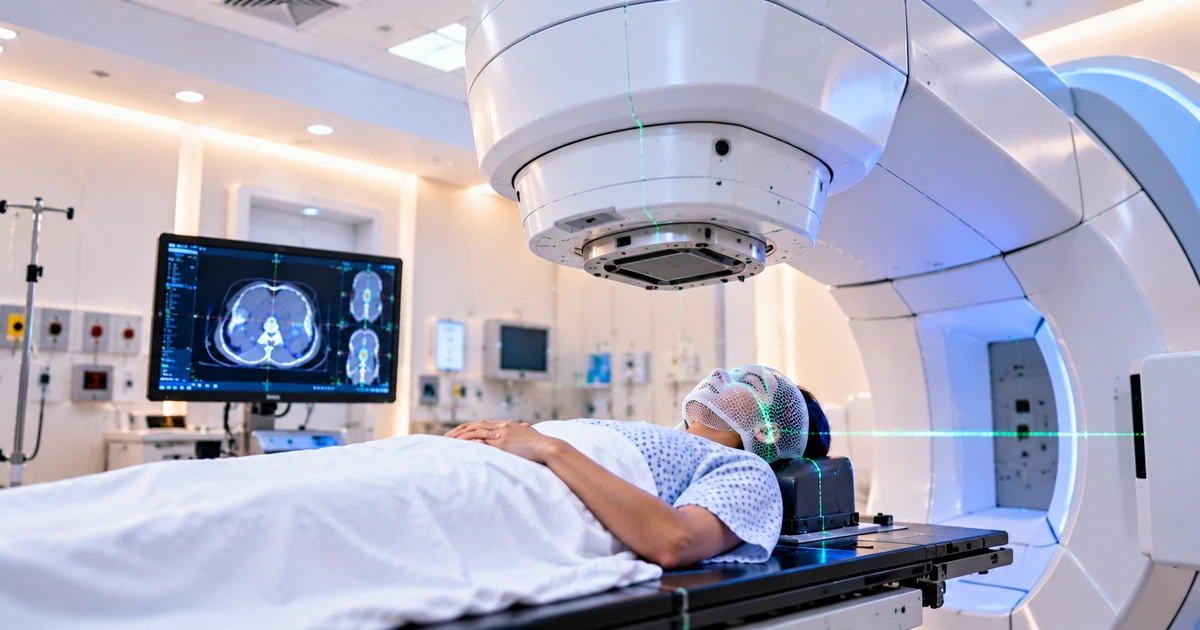
- Chemotherapy and radiation therapy together make up chemoradiation. In this case, chemotherapy makes cancer cells more sensitive to radiation, which leads to better results.
- Palliative chemotherapy is used to control symptoms, slow the growth of cancer, and improve quality of life in people with advanced or recurrent cervical cancer.