


DrNB (Surgical Oncology), DNB (General Surgery), MBBS
Consultant – Surgical Oncology
Table of Contents
- What Is Bladder Cancer and What Are Its Most Common Types?
- Bladder Cancer in Hindi: ब्लैडर कैंसर का मतलब
- Is Bladder Cancer Dangerous? What the Outlook Depends On
- Bladder Cancer Symptoms and Early Signs
- Bladder Cancer Symptoms in Women
- Bladder Cancer Causes and Risk Factors
- Bladder Cancer Stages Explained
- How Is Bladder Cancer Diagnosed?
- Bladder Cancer Treatment Options
- Why Choose Onco-Life Cancer Centre for Bladder Cancer Care?
- Life After Bladder Cancer Treatment
- When to See a Doctor
- Frequently Asked Questions
Bladder cancer begins in the cells lining the bladder, most often as a type called transitional cell carcinoma.
The most common early symptom is blood in the urine, which can appear even without pain. Detecting it early gives doctors more treatment options and generally leads to better outcomes.
What Is Bladder Cancer and What Are Its Most Common Types?
Bladder cancer begins when cells in the lining of the bladder grow abnormally and form a tumour. The bladder is a hollow, muscular organ in the pelvis that stores urine made by the kidneys. A biopsy is needed to confirm whether a bladder tumour is cancerous.
Doctors name the types of bladder cancer by the cell where it begins:
- Urothelial carcinoma: Earlier called transitional cell carcinoma, this is the most common type. It begins in the urothelial cells lining the inside of the bladder.
- Squamous cell carcinoma: Less common. It is linked to long-term irritation of the bladder, such as repeated infections or a long-term catheter.
- Adenocarcinoma: Rare. It begins in the mucus-producing glands of the bladder lining.
Doctors also describe bladder cancer by how far it has grown. Non-muscle-invasive bladder cancer stays in the inner lining. Muscle-invasive bladder cancer has grown into the bladder muscle. Metastatic bladder cancer has spread to other organs.
Bladder Cancer in Hindi: ब्लैडर कैंसर का मतलब
ब्लैडर कैंसर (मूत्राशय का कैंसर) तब होता है जब मूत्राशय की भीतरी परत की कोशिकाएँ असामान्य रूप से बढ़ने लगती हैं और गाँठ (ट्यूमर) बना लेती हैं। मूत्राशय शरीर का वह अंग है जिसमें गुर्दों से बना पेशाब जमा रहता है।
पेशाब में खून आना इसका सबसे आम लक्षण है। बार-बार पेशाब आना, पेशाब में जलन या दर्द, और कमर या पेड़ू में दर्द भी हो सकता है। ये लक्षण संक्रमण या पथरी में भी होते हैं, इसलिए जाँच ज़रूरी है। पेशाब में खून दिखे तो जल्द ही किसी यूरोलॉजिस्ट या कैंसर विशेषज्ञ से मिलें।
Is Bladder Cancer Dangerous? What the Outlook Depends On
Bladder cancer can be serious, but it is often treatable, especially when found early. Most people are diagnosed while the cancer is still in the inner lining of the bladder, where treatment can often control the disease.
The risk rises if the tumour grows into the bladder muscle or spreads. Bladder cancer can also return after treatment, so regular follow-up cystoscopy and scans matter. Outlook depends on the type, stage and grade of the cancer and your overall health.
At Onco-Life Cancer Centre, our multidisciplinary team will help you understand your options.
The bladder is a hollow muscular organ in the pelvis that stores urine produced by the kidneys. When abnormal cells multiply in the bladder lining, they can form tumours, which may be cancerous or non-cancerous.
Bladder Cancer Symptoms and Early Signs
Bladder cancer symptoms are often mistaken for a urinary infection or kidney stones, which can delay diagnosis. Knowing what to look for helps you seek care sooner.
Blood in the Urine (Haematuria)
Blood in the urine is usually the first sign. Urine may look pink, orange, red or cola-coloured. Sometimes the colour looks normal and only a urine test detects the blood.
The bleeding may stop and return later. Even if the colour clears, see a doctor, because the cause still needs to be found.
Changes in Urination
- Needing to pass urine more often or more urgently
- Pain or burning while passing urine
- A weak or interrupted urine stream
- Waking several times at night to pass urine
Pain in the Lower Back or Pelvis
Ongoing pain in the pelvis, or on one side of the lower back, can occur when a tumour has grown larger or spread. It does not always mean cancer, but it needs medical evaluation.
Bladder Cancer Symptoms in Women
Bladder cancer symptoms in women are often mistaken for repeated urinary tract infections (UTIs) or gynaecological problems, so diagnosis can be delayed. Signs to watch for:
- Blood in the urine, even once
- Pelvic pain that does not go away
- Frequent or urgent urination that continues after UTI treatment
If UTIs keep returning despite treatment, ask your doctor to check for other causes, including bladder cancer. A urologist or oncologist can guide the next steps.
Symptoms of Advanced Bladder Cancer
When bladder cancer has grown larger or spread, the American Cancer Society notes it can also cause:
- Being unable to pass urine
- Lower back pain on one side
- Loss of appetite and weight loss
- Tiredness or weakness
- Swelling in the feet
- Bone pain
Many other conditions cause these symptoms too, so only a doctor can identify the cause.
When to See a Doctor
See a doctor if you notice blood in your urine even once, or if urinary symptoms last more than a few days or keep returning. You can start with a urologist or an oncologist.
Bladder Cancer Symptoms in Women
Bladder cancer symptoms in women are frequently mistaken for urinary tract infections (UTIs) or gynaecological conditions, which can delay diagnosis. Women experiencing persistent pelvic pain, frequent urination or unexplained fatigue and weight loss should ask their doctor to rule out bladder cancer, particularly if UTI symptoms keep returning despite treatment.
Related reading : Types of Oncologists and Their Specialties in Oncology
Bladder Cancer Causes and Risk Factors
The exact cause of bladder cancer is not known. It begins when changes (mutations) occur in the DNA of bladder lining cells, making them multiply abnormally. Certain factors raise the chance of these changes. The main bladder cancer causes and risk factors are:
- Smoking: The leading risk factor. Smokers are about three times as likely to develop bladder cancer. Harmful chemicals from smoke pass through the kidneys into the urine and stay in contact with the bladder lining. This applies to cigarettes, bidis, cigars and pipes.
- Chemical exposure: Long-term contact with chemicals used in dyes, rubber, leather, textiles, paint and printing, including aromatic amines, raises the risk. Long-term arsenic exposure, including through contaminated drinking water, is also linked to bladder cancer.
- Chronic bladder irritation: Repeated infections or long-term catheter use may raise the risk, mainly of squamous cell carcinoma.
- Earlier cancer treatment: The chemotherapy drug cyclophosphamide and past radiation to the pelvis can raise the risk.
- Age, sex and family history: Most patients are over 55, and men are affected more often than women. Most cases do not run in families, but a personal or family history of bladder cancer may raise the risk.
Having a risk factor does not mean you will develop bladder cancer, and some people with bladder cancer have none. Avoiding tobacco and following safety instructions at work can lower your risk.
Bladder Cancer Stages Explained
Doctors use bladder cancer stages to describe how deeply the tumour has grown into the bladder wall and whether it has spread. Staging guides the treatment plan. Your doctor may also describe the grade, which shows how abnormal the cancer cells look under a microscope.
- Stage 0: The cancer is only in the inner lining and has not grown into deeper layers. Treatment often involves TURBT (Transurethral Resection of Bladder Tumour) and, in some cases, BCG immunotherapy placed into the bladder.
- Stage I: The cancer has grown into the connective tissue beneath the lining but has not reached the muscle layer.
- Stage II: The tumour has grown into the muscle wall of the bladder.
- Stage III: The cancer has grown through the muscle wall into the fat around the bladder or into nearby organs such as the prostate, uterus or vagina.
- Stage IV: The cancer has spread to the pelvic or abdominal wall, to distant lymph nodes, or to organs such as the liver, lungs or bones.
At Onco-Life Cancer Centre, our team reviews imaging and pathology reports together, so your plan reflects your stage, cancer type and general health.
How Is Bladder Cancer Diagnosed?
If you have bladder cancer symptoms, your doctor may recommend some of these tests. Not every patient needs all of them.
- Urine tests: Urinalysis checks for blood and infection. Urine cytology checks for cancer cells.
- Cystoscopy: A thin tube with a camera is passed through the urethra to look inside the bladder. It is the main test for diagnosis.
- Biopsy or TURBT: Tissue taken during cystoscopy is examined in the laboratory to confirm cancer, its type and its grade.
- Imaging tests: CT urogram, CT scan or MRI show whether the cancer has spread beyond the bladder. PET-CT (Positron Emission Tomography – Computed Tomography) may be used in selected patients.
Bladder Cancer Treatment Options
Treatment depends on the stage, type and grade of the cancer and your general health. Often, more than one treatment is combined.
- Surgery: TURBT is used for early-stage, non-muscle-invasive cancer. Cystectomy, which removes part or all of the bladder, is used for muscle-invasive or high-grade cancer. A urinary diversion is created when the bladder is removed.
- Intravesical therapy: Medicines such as BCG (Bacillus Calmette–Guérin) immunotherapy or chemotherapy are placed directly into the bladder for non-muscle-invasive cancer.
- Chemotherapy: Given before (neoadjuvant) or after (adjuvant) surgery, or for advanced disease. It can be given into the bladder or through a vein.
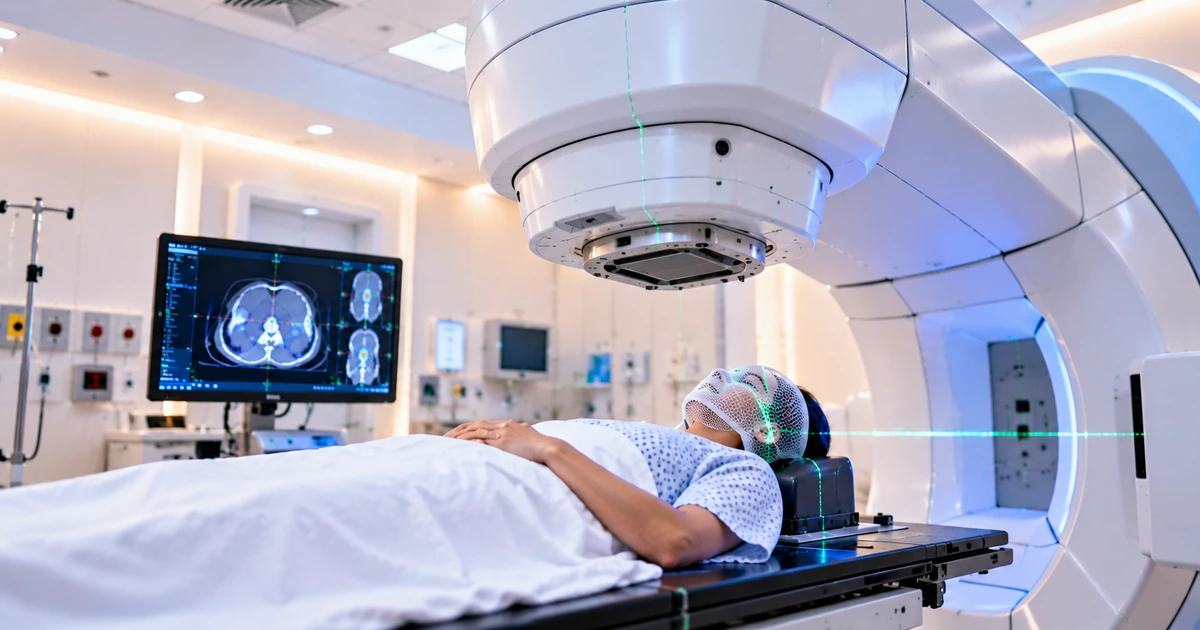
- Radiation therapy: In selected patients with muscle-invasive cancer, radiation combined with TURBT and chemotherapy (trimodal therapy) may allow the bladder to be kept.
- Immunotherapy and targeted therapy: Used for advanced or recurring disease. Your oncologist will tell you if you are a candidate, and clinical trials may be an option for some patients.
Why Choose Onco-Life Cancer Centre for Bladder Cancer Care?
Onco-Life Cancer Centre is a network of dedicated cancer hospitals with centres in Talegaon, Wagholi, Satara and Chiplun. For bladder cancer care, you can expect:
- Diagnosis and staging supported by imaging and pathology
- A multidisciplinary team of medical, surgical and radiation oncologists who review your case together
- Nutrition, palliative care and counselling support during treatment
- Treatment under Mahatma Jyotirao Phule Jan Arogya Yojana (MJPJAY) and Ayushman Bharat (PM-JAY) for eligible patients, and cashless insurance for empanelled insurers. Eligibility criteria apply; please verify your eligibility before visiting.
Whether you need a diagnosis, a treatment plan or a second opinion, our team will explain each step clearly.
Life After Bladder Cancer Treatment
Bladder cancer can return even after successful treatment, so follow-up care is a long-term part of recovery.
- Follow-up: Regular cystoscopies and scans, as advised by your oncologist or urologist.
- Lifestyle: Avoid tobacco in every form and avoid chemical exposure. Drink fluids as advised by your doctor.
- Nutrition support: Our oncology dietitians can guide your diet during and after treatment.
- Emotional support: Counselling and survivor support groups help many people adjust after treatment.
When to See a Doctor
Bladder cancer can develop quietly, but the body often gives early warning signs. Do not ignore blood in the urine or pelvic pain that does not go away. If you or someone you know has these symptoms, our team at Onco-Life Cancer Centre is here to help you understand your options.
Frequently Asked Questions
Learn About Bladder Cancer: Symptoms, Causes & What You Need to Know
Is Bladder Cancer Curable?
Many early-stage bladder cancers respond well to treatment. Outcomes depend on stage, grade and overall health, so ask your oncologist about your specific case.
Is Bladder Cancer Hereditary?
Most cases are not inherited. A family history may slightly raise risk, but smoking and chemical exposure are more significant risk factors.
Does Bladder Cancer Cause Incontinence?
Advanced bladder cancer or its treatment can sometimes affect bladder control. Discuss any urinary changes with your oncologist promptly.
Is Bladder Cancer Dangerous If Untreated?
Yes, untreated bladder cancer can spread to nearby organs. Early detection and prompt treatment significantly improve outcomes.
Is Bladder Cancer Treatment Covered Under Government Schemes?
Onco-Life accepts MJPJAY and PM-JAY for eligible patients. Eligibility criteria apply; please verify your eligibility before your visit.