
Onco Life Hospitals

HMPV (Human MetaPneumoVirus): Full Form, Symptoms, Spread and Care for Cancer Patients

admin
Medically Reviewed By admin -
HMPV, or Human MetaPneumoVirus, is a common respiratory virus that causes cold and flu-like illness in most people. In healthy adults and children, HMPV usually leads to mild symptoms that resolve with rest and home care. In people with weakened immune systems, particularly cancer patients on chemotherapy, targeted therapy, immunotherapy, or those recovering from a bone marrow transplant, HMPV can progress to more serious lower respiratory tract infections. This guide explains the HMPV full form and meaning, how it spreads, what symptoms to watch for, how it is diagnosed and treated, and specifically why it requires careful attention in cancer patients at Onco-Life Cancer Centre.

What is Human Metapneumovirus (HMPV)?

Human Metapneumovirus (HMPV) is a respiratory virus that mainly infects the nose, throat, and lungs. It belongs to the Pneumoviridae family, the same broad group as RSV (Respiratory Syncytial Virus). It was first identified in 2001, but we now know it has likely been circulating in humans for decades. The full form of HMPV is Human Metapneumovirus. In most healthy children and adults, HMPV causes:
  • Common cold–like illness
  • Bronchitis
  • Sometimes pneumonia
Symptoms often overlap with flu, RSV, and other common respiratory infections. For people with weakened immune systems—like many cancer patients—HMPV can cause more prolonged or severe illness, including lower respiratory tract infections and, rarely, respiratory failure. Also Read : Types of Cancer and Their Symptoms

HMPV: A Common Respiratory Virus

From a layperson’s perspective, HMPV behaves very much like a “stubborn cold” virus:
  • It spreads through droplets (coughing, sneezing, close contact)
  • It can circulate in families, hospitals, schools and offices
  • Most infections are mild and get better with rest, fluids, and basic medicines
However, in hospitals and cancer centres, we pay special attention to HMPV common cold–like illness because even a “simple” respiratory virus can escalate quickly in fragile patients.

Why HMPV is a Concern for Cancer Patients

For patients with cancer, particularly those who are immunocompromised, HMPV is more than just a nuisance. Studies in oncology and transplant settings show that HMPV can lead to:
  • Prolonged fevers and cough
  • Viral pneumonia
  • Acute respiratory distress syndrome (ARDS) in severe cases
  • Higher risk of hospitalisation and ICU admission
  • In some high-risk groups (e.g., bone marrow transplant recipients), increased mortality
This doesn’t mean every cancer patient with HMPV will become severely ill. Many still have mild to moderate infections. But because the HMPV risk in cancer patients is higher than in the general population, early recognition, timely evaluation and careful monitoring are crucial.

Recognising Human Metapneumovirus (HMPV) Symptoms

Human Metapneumovirus symptoms are very similar to other viral respiratory infections. You may notice:
  • Fever (mild to moderate, sometimes high)
  • Dry or productive cough
  • Sore throat or throat irritation
  • Runny or blocked nose
  • Headache, body ache, fatigue
  • Shortness of breath, wheezing or chest tightness (especially in those with lung disease or low immunity)
  • Reduced appetite, especially in children or very frail adults
In cancer patients, the same symptoms may feel more intense or last longer. If you are on chemotherapy, immunotherapy, post-transplant, or high-dose steroids, you should treat any new fever or respiratory symptom as important, even if it “just feels like a cold.”

Differentiating HMPV from Other Respiratory Infections

Without tests, it is impossible to say just by looking at symptoms whether you have HMPV vs flu, HMPV vs RSV, or another virus like COVID-19. They all cause overlapping features:
  • Flu (Influenza) often has more sudden onset, high fever, severe body pain, and marked fatigue.
  • RSV is well-known for wheezing and bronchiolitis in infants and some adults.
  • COVID-19 can include loss of taste/smell, but now often looks similar to a bad cold.
  • HMPV tends to look like a flu- or cold-like illness and may progress to bronchitis or pneumonia, especially in older or immunocompromised people.
For cancer patients, the focus is less on “which virus is it?” and more on “how sick are you?” and “what is your risk profile?”. Testing helps the doctor decide about isolation, monitoring and other supportive measures.

How HMPV Spreads and Its Seasonal Patterns

HMPV spreads mainly through:
  • Respiratory droplets when an infected person coughs or sneezes
  • Close contact (hugging, sharing utensils, crowded rooms)
  • Contaminated surfaces (hands touching infected surfaces, then touching face/nose/mouth)
Seasonality:
  • In many regions, HMPV circulation peaks in the cooler months, often from late winter to spring.
  • Patterns can vary by country and year, but clusters are commonly seen during typical “viral season” along with flu and RSV.

Understanding the Incubation Period and Contagiousness

  • The HMPV incubation period (time from exposure to symptoms) is usually 3–6 days.
People are generally most contagious in the first few days of illness, but viral shedding can continue for a week or more.
  • In immunocompromised patients, HMPV can be shed for a longer period, which is why strict infection control is so important in cancer hospitals and transplant units.

Diagnosing HMPV at Onco Life Cancer Centre

At Onco Life Cancer Centre, we don’t test every single patient with a mild cold. However, in patients with cancer—especially those with fever, breathing difficulty, or low oxygen—we consider testing for multiple respiratory viruses, including HMPV, as part of our diagnosing HMPV protocol. Your doctor may recommend:
  • A detailed clinical evaluation
  • Oxygen saturation monitoring
  • Chest X-ray or CT scan if pneumonia is suspected
  • Nasal/throat swab for viral testing
The goal is to identify the cause early, guide isolation measures, and plan supportive care tailored to your risk profile.

Advanced Diagnostic Methods for HMPV Detection

Common HMPV testing methods include:
  • Nucleic Acid Amplification Test (NAAT) for HMPV
    • PCR-based tests detect HMPV RNA from nasopharyngeal swabs.
○ Highly sensitive and specific; often part of a multiplex respiratory panel.
  • Rapid viral antigen tests
    • Less commonly used for HMPV than for flu/RSV, but may be available in some settings.
  • Combined respiratory virus panels
    • One sample can test for multiple viruses: HMPV, RSV, influenza, parainfluenza, adenovirus, and sometimes SARS-CoV-2.
The treating team decides which test is appropriate based on your clinical condition and local protocols.

Treatment and Management of HMPV in Cancer Patients

There is no specific antiviral drug approved solely for HMPV as of now. Treatment is mainly supportive, which means we focus on helping your body cope and recover while monitoring closely for complications. Supportive management for HMPV treatment in cancer patients may include:
  • Adequate hydration (oral or IV)
  • Fever control with appropriate medicines
  • Oxygen therapy if saturation falls
  • Inhalers/nebulisations for wheeze or bronchospasm
  • Antibiotics only if there is evidence of bacterial co-infection
Intensive care support in severe pneumonia or ARDS In highly selected severe cases in oncology or transplant settings, drugs like ribavirin with or without IV immunoglobulin have been used off-label, but evidence is limited and decisions are highly individual.

The Importance of Supportive Care for Immunocompromised Individuals

For immunocompromised patients, supportive care is not “just basic care”—it can be lifesaving. Key aspects include:
  • Close monitoring of breathing and oxygen levels
    • Frequent checks, early escalation if breathing worsens
  • Aggressive management of pneumonia
    • Early imaging, appropriate antibiotics for secondary bacterial infections
○ Respiratory physiotherapy and chest exercises when possible
  • Protection of other high-risk patients
    • Isolation when needed
○ Use of masks for patient, caregivers and staff in clinical areas
  • Optimising underlying health
    • Adjusting chemotherapy or immunosuppressive drugs where appropriate
○ Ensuring nutrition, blood counts, and electrolytes are stable
  • Psychological and family support
    • Anxiety is common when a “simple” cold becomes a hospital admission; counselling and clear communication help a lot.

Current Research and Future Outlook for HMPV Treatment

Research is ongoing into:
  • HMPV antivirals – drugs that directly target the virus
  • HMPV vaccine candidates – especially for children, elderly, and immunocompromised
  • Cell-based immunotherapies – virus-specific T-cell therapies in transplant recipients
Though no licensed HMPV vaccine or dedicated antiviral exists yet, the scientific interest is growing, and future options for prevention and treatment are likely to expand.

Preventing HMPV Infection: A Guide for Onco Life Cancer Centre Patients

For now, the best way to deal with HMPV is to avoid getting infected in the first place, especially during chemo cycles or immediately after transplant. Prevention for cancer patients at Onco Life follows the same core principles that help against flu, RSV, and COVID-19. Essential Hygiene Practices and Social Distancing Simple everyday habits reduce your risk of HMPV infection significantly:
  • Hand hygiene
  • Wash hands frequently with soap and water for at least 20 seconds.
○ Use alcohol-based hand rub when soap and water are not available.
  • Masking in high-risk settings
    • Wear a mask in crowded hospitals, clinics, public transport, or during viral season.
  • Avoid close contact with sick people
    • Politely postpone visits if someone has cough/fever/cold symptoms.
○ Keep some distance in waiting areas when possible.
  • Cough etiquette
    • Cover mouth and nose with a tissue or elbow when coughing or sneezing.
○ Dispose of tissues properly and clean hands immediately afterwards.
  • Limit unnecessary crowd exposure during active treatment
    • Avoid packed events, malls, or indoor gatherings during peak viral season, especially just after chemo or transplant.
These measures protect not only you, but also other vulnerable patients around you.

Environmental Precautions in Clinical Settings and at Home

Environmental steps for infection prevention at home and in the hospital include:
  • Regular cleaning of frequently touched surfaces (doorknobs, phones, remote controls, bed rails) with standard disinfectants
  • Good ventilation – open windows when safe and possible
  • Avoid sharing towels, utensils, drinking glasses, or masks
  • In hospital, Onco Life strictly follows cleaning and disinfection protocols in OPD, day care, wards and ICUs to minimise viral spread

When to Contact Onco Life Cancer Centre for HMPV Concerns

You should contact your treating team at Onco Life immediately if you are on cancer treatment (or recently completed it) and develop:
  • Fever of ≥ 100.4°F (38°C), especially if persistent
  • New or worsening cough
  • Shortness of breath, fast breathing, chest pain
  • Drop in oxygen saturation (if you have a home pulse oximeter)
  • Extreme fatigue, confusion, or difficulty staying awake
Do not wait to “see if it settles on its own” when you are immunocompromised. Early evaluation allows your doctors to decide whether you can be managed at home with close follow-up or whether you need tests, oxygen, or admission for monitoring of potential HMPV complications. If you are unsure whether your symptoms are serious, call the hospital. The nursing or triage team can guide you on next steps.

Onco Life Cancer Centre’s Commitment to Patient Safety

At Onco Life Cancer Centre, patient safety in oncology is a core priority. For respiratory viruses such as HMPV, we are committed to:
  • Vigilant screening of symptomatic patients
  • Strict hand hygiene and masking protocols for staff
  • Appropriate isolation of high-risk or infected patients based on guidelines
  • Regular staff training on infection control
  • Clear communication with patients and families about risks and preventive steps
Our goal is to ensure that while you receive world-class cancer care, your risk of picking up infections like HMPV inside the hospital is kept as low as possible.

Suggested Content Structure

HMPV (Human MetaPneumoVirus): Full Form, Symptoms, Spread and Care for Cancer Patients

HMPV, or Human MetaPneumoVirus, is a common respiratory virus that causes cold and flu-like illness in most people. In healthy adults and children, HMPV usually leads to mild symptoms that resolve with rest and home care. In people with weakened immune systems, particularly cancer patients on chemotherapy, targeted therapy, immunotherapy, or those recovering from a bone marrow transplant, HMPV can progress to more serious lower respiratory tract infections. This guide explains the HMPV full form and meaning, how it spreads, what symptoms to watch for, how it is diagnosed and treated, and specifically why it requires careful attention in cancer patients at Onco-Life Cancer Centre.

What is HMPV? (Full Form: Human MetaPneumoVirus)

HMPV stands for Human MetaPneumoVirus. It is a respiratory virus that infects the nose, throat, and lungs. HMPV belongs to the Pneumoviridae family, the same group as RSV (Respiratory Syncytial Virus). First identified in 2001, it has almost certainly been circulating in humans for decades, and most people contract HMPV at least once during childhood. In most healthy people, HMPV causes mild illness similar to a common cold or mild flu. Symptoms typically include cough, runny nose, low-grade fever, and tiredness. The virus resolves without specific treatment in otherwise healthy adults and children.

HMPV Full Form in Hindi: एचएमपीवी क्या है?

HMPV का पूरा नाम Human MetaPneumoVirus (ह्यूमन मेटान्यूमोवायरस) है। यह एक श्वसन वायरस है जो नाक, गले और फेफड़ों को प्रभावित करता है। अधिकांश स्वस्थ लोगों में यह हल्की सर्दी-जुकाम जैसे लक्षण पैदा करता है।

How Does HMPV Spread?

HMPV spreads through respiratory droplets released when an infected person coughs, sneezes, or talks. It can also spread through direct contact with contaminated surfaces followed by touching the nose, mouth, or eyes. Like other respiratory viruses, HMPV is more common during seasonal outbreaks and tends to circulate more widely during colder months. HMPV Symptoms: What to Watch For HMPV symptoms are similar to other respiratory viral infections and include:
  • Cough – dry initially, sometimes becoming productive (with mucus).
  • Fever – mild to moderate in most patients; high fever in those with weakened immunity.
  • Runny or blocked nose.
  • Sore throat.
  • Fatigue, headache, and body aches.
  • Shortness of breath or wheezing – more common in people with pre-existing lung disease or low immunity.

HMPV Symptoms in Adults and Older Patients

In adults, particularly those over 65 or with underlying health conditions, HMPV can present more seriously than in younger, healthy individuals. Prolonged fever lasting more than 5 days, worsening breathlessness, or the development of chest pain should prompt medical evaluation.

HMPV Symptoms in Cancer Patients

For cancer patients on chemotherapy, targeted therapy, immunotherapy, high-dose steroids, or recovering from bone marrow transplant, the same symptoms may feel more intense, last longer, or progress more rapidly to lower respiratory tract infection. Any new fever above 38°C or respiratory symptom in a cancer patient should be reported to the treating oncologist promptly, even if symptoms feel mild.

Why is HMPV More Concerning for Cancer Patients?

Most healthy people recover from HMPV without complications. However, cancer patients often have weakened immune systems due to their disease or treatment. Patients receiving chemotherapy, targeted therapy, immunotherapy, high-dose steroids, or stem cell transplantation may be at increased risk of:
  • Prolonged illness.
  • Viral pneumonia.
  • Secondary bacterial infections.
  • Hospitalisation.
  • Delays in cancer treatment schedules.
Early recognition and medical evaluation are therefore particularly important.

HMPV Test: How is Human MetaPneumoVirus Diagnosed?

HMPV is diagnosed through laboratory testing of respiratory samples. The most accurate method is a multiplex respiratory PCR (polymerase chain reaction) test performed on a nasopharyngeal swab. PCR can detect HMPV alongside other common respiratory viruses – including influenza, RSV, COVID-19, and parainfluenza – in a single test, which is clinically important because HMPV symptoms overlap with all of them. Clinical evaluation includes assessing oxygen saturation, respiratory rate, temperature, and the pattern of symptoms. In cancer patients with fever and respiratory symptoms, a chest X-ray or CT scan may be ordered to assess for pneumonia or lower respiratory tract involvement. Isolation Protocol: Patients suspected of HMPV in a hospital setting are placed in contact precautions to prevent transmission to other immunocompromised patients.

HMPV Treatment: How it is Managed in Cancer and Immunocompromised Patients

There is currently no specific approved antiviral drug for HMPV. Treatment is supportive and focused on managing symptoms and preventing complications. For most patients, this means:
  • Rest.
  • Adequate fluid intake.
  • Fever management at home.
For cancer patients and others with weakened immunity, management may include:
  • Monitoring oxygen saturation and respiratory status, with hospital admission if required.
  • Oxygen therapy for patients with low blood oxygen levels.
  • Nebulisation with bronchodilators for wheeze or bronchospasm.
  • Intravenous fluids if oral intake is poor.
  • Antibiotics only if there is evidence of secondary bacterial pneumonia.
  • Specialist consultation regarding intravenous immunoglobulin (IVIG) in selected bone marrow transplant patients, although evidence remains limited.
Ongoing research into specific antivirals and vaccines for HMPV is active; however, as of 2026, no vaccine or approved antiviral is routinely recommended.

HMPV Prevention and Precautions for Cancer Patients

HMPV spreads through respiratory droplets and contact with contaminated surfaces. Prevention relies on the same hygiene and infection-control measures used for other respiratory viruses.

At Home

  • Wash hands frequently with soap and water for at least 20 seconds.
  • Avoid close contact with people who have respiratory symptoms.
  • Wear a mask in crowded indoor spaces, especially during peak respiratory virus seasons.
  • Do not share cups, cutlery, or towels during cancer treatment.

In Clinical Settings at Onco-Life Cancer Centre

  • Patients with confirmed or suspected respiratory infection are placed in contact and droplet precautions.
  • Hand hygiene is enforced for all staff and visitors entering treatment areas.
  • High-efficiency air filtration (HEPA) is used in relevant clinical areas.
  • Visitors with respiratory symptoms are advised to postpone visits until recovery.

When Should a Cancer Patient Contact Their Doctor for HMPV?

Cancer patients should contact their oncologist or the Onco-Life Cancer Centre helpline immediately if they develop any of the following:
  • Fever above 38°C (or 38.5°C for some treatment regimens).
  • Worsening cough or breathlessness that develops or increases over 24 to 48 hours.
  • Oxygen saturation below 94% on a home pulse oximeter.
  • Chest pain, confusion, or extreme weakness alongside respiratory symptoms.
  • Symptoms that are not improving after 5 to 7 days or appear to be worsening.

Contact Onco-Life Cancer Centre

Talegaon / Wagholi: 8128124067 Satara: 7769004343 Chiplun: 7378958000 If you are unable to reach your oncology team and your symptoms are severe, seek immediate care at the nearest emergency department.

Need Help? Contact Your Oncology Team

If you are a patient at Onco-Life Cancer Centre and have developed any respiratory symptoms, do not wait. Contact your oncology team directly: Call Onco-Life Cancer Centre
  • Talegaon / Wagholi: 8128124067
  • Satara: 7769004343
  • Chiplun: 7378958000

Conclusion

HMPV (Human MetaPneumoVirus) is a common respiratory virus that usually causes mild illness in healthy individuals. However, for cancer patients and others with weakened immune systems, it can lead to more serious respiratory complications that require prompt medical attention. Understanding the symptoms, testing methods, treatment options, and preventive measures can help patients and caregivers respond quickly and reduce the risk of complications. If you are undergoing cancer treatment and develop fever, cough, or breathing difficulties, contact your oncology team without delay.

Disclaimer

The information on this page is for general health education only and does not constitute medical advice. If you are a cancer patient experiencing fever, cough, or respiratory symptoms, please contact your treating oncologist directly rather than relying on general guidance. Fever and respiratory illness in immunocompromised patients can change rapidly and require individualised clinical assessment. Individual outcomes vary.

Frequently Asked Questions

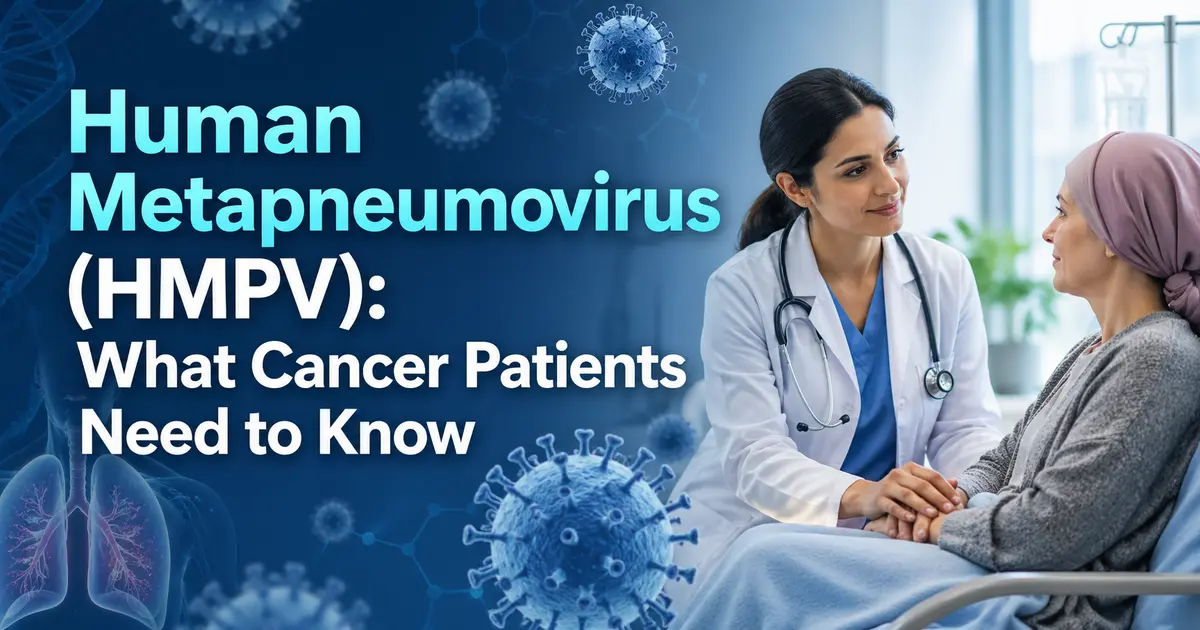
Blog- Human Metapneumovirus (HMPV): What Cancer Patients Need to Know

Is Hmpv Related To Covid-19 Or The Flu?

No. HMPV is a different virus. It is not an influenza virus and not a coronavirus. However, it causes similar flu- or cold-like symptoms and spreads in similar ways.

Can Adults Get Hmpv, Or Is It Only For Children And Older People?

Everyone can get HMPV—children, adults, and elderly. Most people are infected in childhood, but reinfections happen throughout life. Adults with cancer or other chronic illnesses can experience more severe disease than healthy adults.

How Long Does Hmpv Typically Last?

In healthy people, symptoms usually last about 5–10 days. In cancer patients or other high-risk groups, illness may last longer and recovery can be slower, especially if pneumonia develops.

Are There Any Specific Foods Or Supplements That Can Help Boost Immunity Against Hmpv?

There is no magic food or supplement that specifically prevents HMPV. A balanced diet with adequate protein, fruits, vegetables, and good hydration supports general immunity. Always discuss supplements (especially high-dose herbal or vitamin products) with your oncologist, as some may interact with chemotherapy or other medications.

If I Have Had Hmpv Before, Can I Get It Again?

Yes. Like many respiratory viruses, reinfection with HMPV is possible. Prior infection may give some partial immunity, but it does not guarantee full protection, particularly if your immunity is suppressed by cancer or its treatment.

What Kind Of Precautions Does Onco Life Cancer Centre Take To Prevent Hmpv Spread Within The Facility?

Onco Life follows strict infection control protocols: screening symptomatic patients, appropriate testing, use of masks and hand hygiene, isolation when needed, regular environmental cleaning, and staff training. During viral peak seasons, additional measures like more intensive screening and visitor restrictions may be implemented to safeguard high-risk oncology and transplant patients.

This information is meant to support, not replace, the advice of your treating doctor. If you have symptoms or concerns about HMPV or any infection while on cancer treatment, please contact your oncology team at Onco Life Cancer Centre without delay.

Leave a Reply

Your email address will not be published. Required fields are marked *

Latest Post

Newsletter

Signup our newsletter to get free update, news or insight.