Understanding Anal Cancer
Anal cancer is a relatively uncommon cancer that develops in the tissues of the anus or anal canal-the short passage through which stool leaves the body. Though it is far less common than colon or rectal cancer, its symptoms can look very similar to routine issues like piles (hemorrhoids), fissures or infections. That’s why it often gets overlooked or treated with home remedies for months.
In most cases, anal cancer begins in the thin lining cells of the anal canal and is called anal squamous cell carcinoma. A large proportion of these cancers are linked to long-standing infection with certain high-risk types of human papillomavirus (HPV), the same virus associated with cervical and some neck cancers.
Caught early, anal cancer is often very treatable, and many patients can be cured without major surgery, using a combination of chemotherapy and radiation (chemoradiation). The key is not ignoring warning signs like bleeding, persistent pain, or a lump near the anus, and getting them evaluated at a specialised centre like Onco Life Cancer Centre.
Recognizing Anal Cancer Symptoms
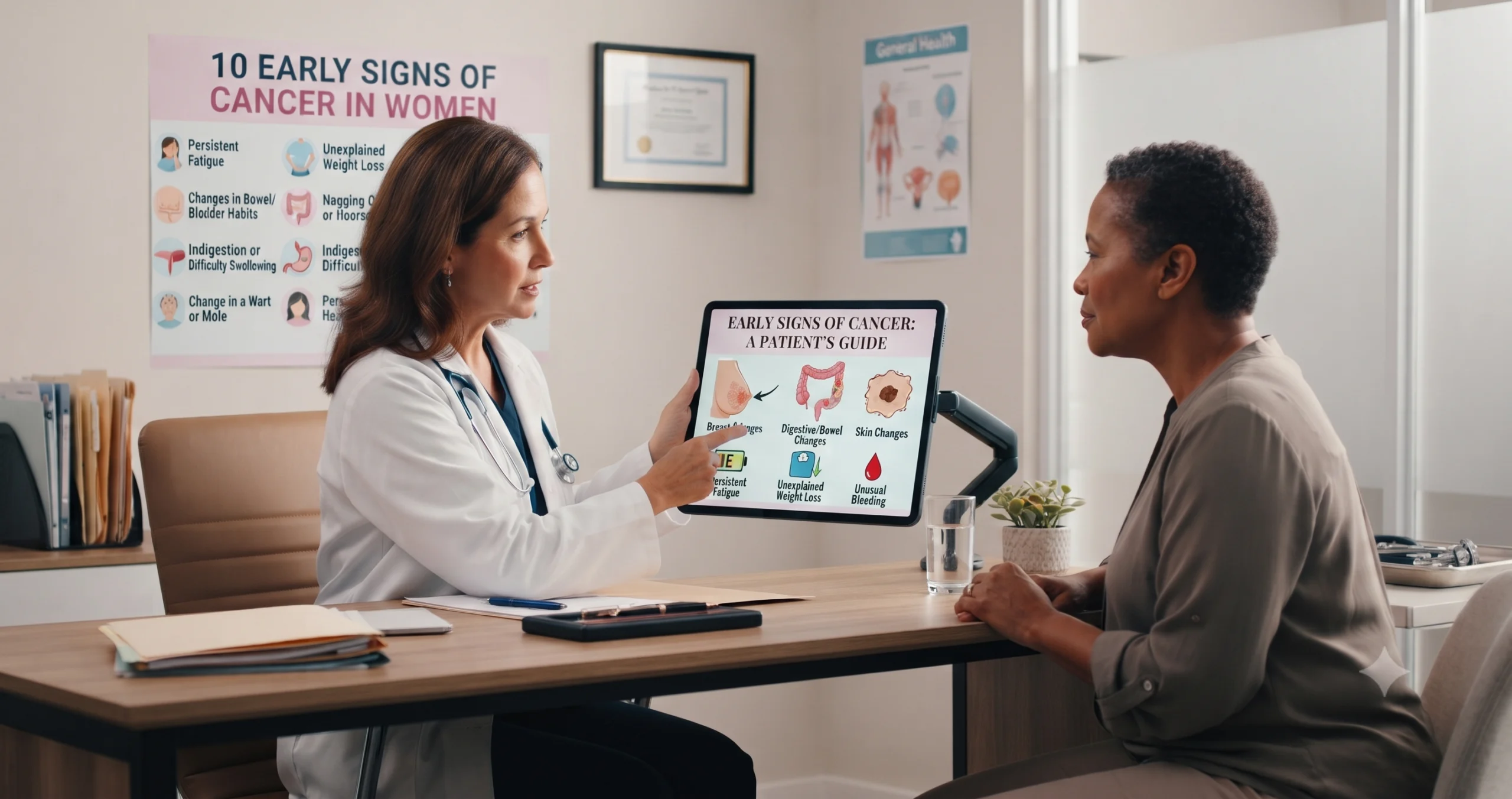
Because the anus is a sensitive and private area, people often ignore or self-treat symptoms. However, certain anal cancer symptoms deserve careful attention, especially if they are persistent. Common signs of anal cancer include:
- Bleeding from the anus or blood in the stool
- Bright red blood on toilet paper or in the pan
- Often mistaken for piles
- A lump, swelling or growth near the anus
- Can be felt as a small nodule or hard area
- May be just at the opening or slightly inside
- Persistent anal pain or discomfort
- Pain during or after passing stool
- A feeling of pressure or “fullness” in the anal area
- Anal itching or burning (pruritus ani)
- Itching that doesn’t improve with simple creams or hygiene measures
- New-onset constipation or diarrhoea
- Narrow, “pencil-thin” stools
- Mucus-like or pus-like discharge, sometimes with foul odour
- Swollen lymph nodes in the groin
- Painless lumps in the groin area in more advanced cases
These symptoms do not automatically mean cancer, but if they last more than a few weeks, keep recurring, or are getting worse, they need a proper evaluation.
Causes and Risk Factors for Anal Cancer
The exact causes of anal cancer involve a mix of viral infection, immune status and lifestyle factors. The strongest and best-proven association is with high-risk HPV infection, especially HPV-16 and HPV-18. These viruses can cause long-term changes in the anal lining cells, gradually progressing from pre-cancer (anal intraepithelial neoplasia) to invasive cancer over years.
Other Important Anal Cancer Risk Factors Include:
- Weakened immune system – such as in people living with HIV, organ transplant recipients, or those on long-term immunosuppressive drugs.
- Smoking – tobacco damages DNA and reduces the body’s ability to clear HPV, increasing the risk of many cancers, including anal cancer.
- Multiple sexual partners and unprotected anal intercourse – primarily because they increase exposure to high-risk HPV.
- History of other HPV-related cancers – such as vulvar or vaginal cervical cancer in women.
- Older age – most cases occur after age 50, though younger people can also be affected.
Having risk factors doesn’t mean you will get anal cancer-but it does mean you should never ignore persistent anal symptoms.
Anal Cancer Prevention Strategies
While there is no guaranteed way to completely prevent anal cancer, there is a lot you can do to reduce your risk. Anal cancer prevention focuses on:
- Preventing or clearing high-risk HPV infection
- Protecting and strengthening the immune system
- Reducing lifestyle-related risks like smoking
Key steps include:
- Getting vaccinated against HPV (within recommended age groups)
- Practising safer sex (condoms, limiting partners, avoiding high-risk behaviours)
- Quitting smoking and avoiding tobacco in all forms
- Seeking timely treatment for anal warts, chronic irritation or persistent symptoms
- In high-risk individuals (e.g., HIV-positive), periodic screening with anal Pap tests or inspection may be advised by specialists.
Prevention is never about perfection; it’s about steadily reducing risk wherever possible.
HPV Vaccination
The HPV vaccine (such as Gardasil) was initially designed to prevent cervical pre-cancer, but it also offers protection against high-risk HPV types linked to anal, penile and some head–neck cancers.
For anal cancer, vaccination:
- Lowers the chance of persistent high-risk HPV infection in the anal canal
- Is most effective when given before the onset of sexual activity, but can still help in older individuals within approved age limits
If you or your children are in the eligible age range, discussing HPV vaccination for anal cancer prevention with your doctor is a very meaningful long-term step.
Lifestyle Modifications
Simple, everyday choices also matter:
- Reduces risk of anal cancer and many other cancers
- Improves immune function and treatment outcomes
- Using condoms during anal intercourse
- Limiting number of sexual partners
- Getting prompt treatment for anal or genital warts, STIs
These changes don’t just protect against anal cancer-they support your overall health and well-being.Chemoradiation TherapyChemoradiation Therapy
Distinguishing Anal Cancer from Other Conditions
Because its symptoms overlap with many benign conditions, anal cancer is often confused with piles (hemorrhoids), fissures, or even colon cancer. HereWhat are the symptoms of anal cancer? is a simplified comparison:
| Condition | Typical Symptoms | Usual Location / Nature | Response to Basic Treatment |
| Anal Cancer | Bleeding, pain, lump, itching, discharge, change in stool calibre | Arises in anal canal or around anal opening; often a firm mass or ulcer | Symptoms persist or worsen despite creams, piles medicines or short-term remedies |
| Hemorrhoids (Piles) | Bleeding with stool, swelling, itching, discomfort | Swollen veins at or just inside the anal opening; soft, compressible | Often improve with fibre, laxatives, creams, lifestyle changes |
| Anal Fissure | Sharp pain during/after passing stool, small streaks of bright blood | Small tear in anal skin, usually posterior midline | Often improves with stool softeners, sitz baths, topical ointments |
| Colon/Rectal Cancer | Change in bowel habits, blood/mucus in stool, weight loss, anaemia | Higher up in rectum or colon; not visible at anal opening | Needs colonoscopy for diagnosis; piles treatment does not help |
This table is only a guide. The only way to be sure is proper examination and, if needed, biopsy.
Anal Cancer vs. Hemorrhoids: Key Differences
Both anal cancer and hemorrhoids can cause bleeding, itching and discomfort. However:
- Hemorrhoid swelling is usually soft and compressible; cancerous lumps are often firmer.
- Piles often come and go, worsening with constipation and improving with creams, fibre and lifestyle changes. Anal cancer symptoms tend to persist or progressively worsen.
- Any lump, ulcer or bleeding that does not improve with standard piles treatment over a few weeks should be evaluated for more serious causes, including cancer.
Diagnosing Anal Cancer at Onco Life Cancer Centre
At Onco Life Cancer Centre, diagnosing anal cancer is done with both medical thoroughness and a high degree of privacy and respect. We understand that symptoms involving the anus can be embarrassing to discuss, but they are extremely common and our team deals with them every day.
Evaluation typically includes:
- Detailed discussion of symptoms, risk factors and medical history
- Careful examination of the anal area, sometimes including a digital rectal exam
- Visual inspection of the anal canal with specialised instruments
- Biopsy of any suspicious area to confirm cancer under the microscope
- Imaging tests to understand the extent (stage) of disease
The goal is to answer clearly: Is it cancer? What type? How far has it spread? Once we know this, an individualised treatment plan can be created.
Diagnostic Procedures
Common anal cancer diagnostic procedures include:
- Digital rectal exam (DRE)
- The doctor gently inserts a gloved, lubricated finger into the anus to feel for masses, thickening or tenderness.
- A short, lighted tube is used to directly look inside the anal canal and lower rectum.
- A small tissue sample is taken from any suspicious area and examined under a microscope to confirm cancer and its type.
- MRI pelvis and/or CT scan of abdomen & chest to assess local spread and lymph nodes
- Sometimes PET-CT for more detailed staging
Together, these tests help the team at Onco Life plan optimal, stage-appropriate treatment.
Anal Cancer Treatment Options at Onco Life Cancer CentreChemoradiation Therapy
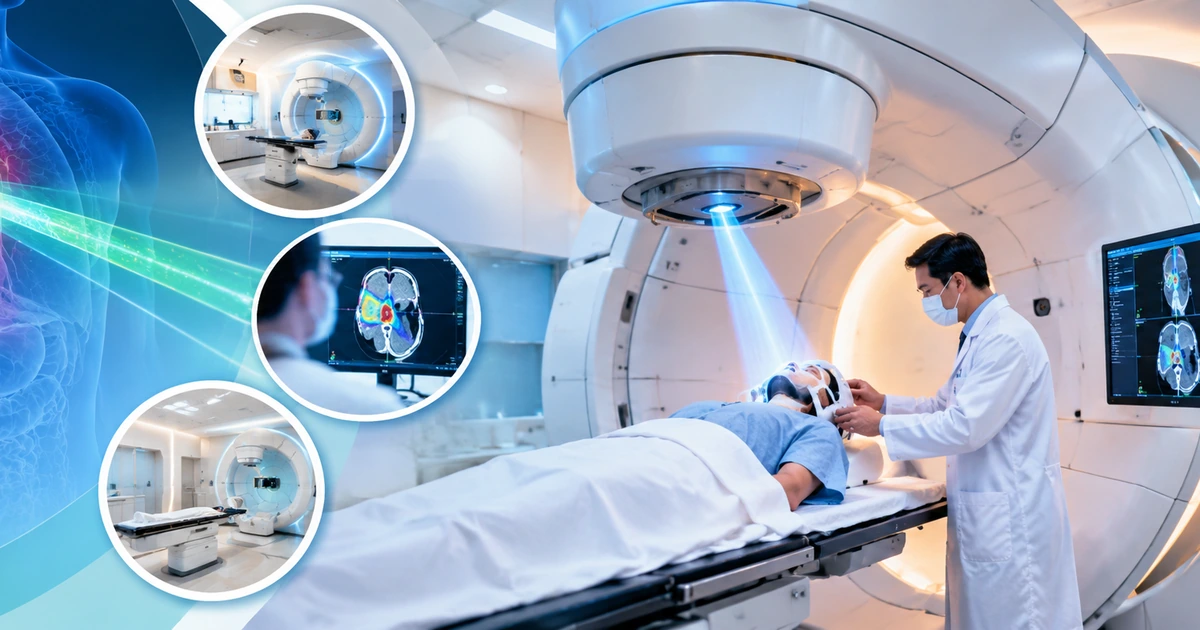
Treatment for anal cancer has changed dramatically over the last few decades. Earlier, major surgery with permanent colostomy was common. Today, many patients are cured with a combination of chemotherapy and radiation while preserving the anus and normal bowel route.
Here is a leaflet-style overview of anal cancer therapy at Onco Life:
- Chemoradiation (Standard of Care for Most Cases)
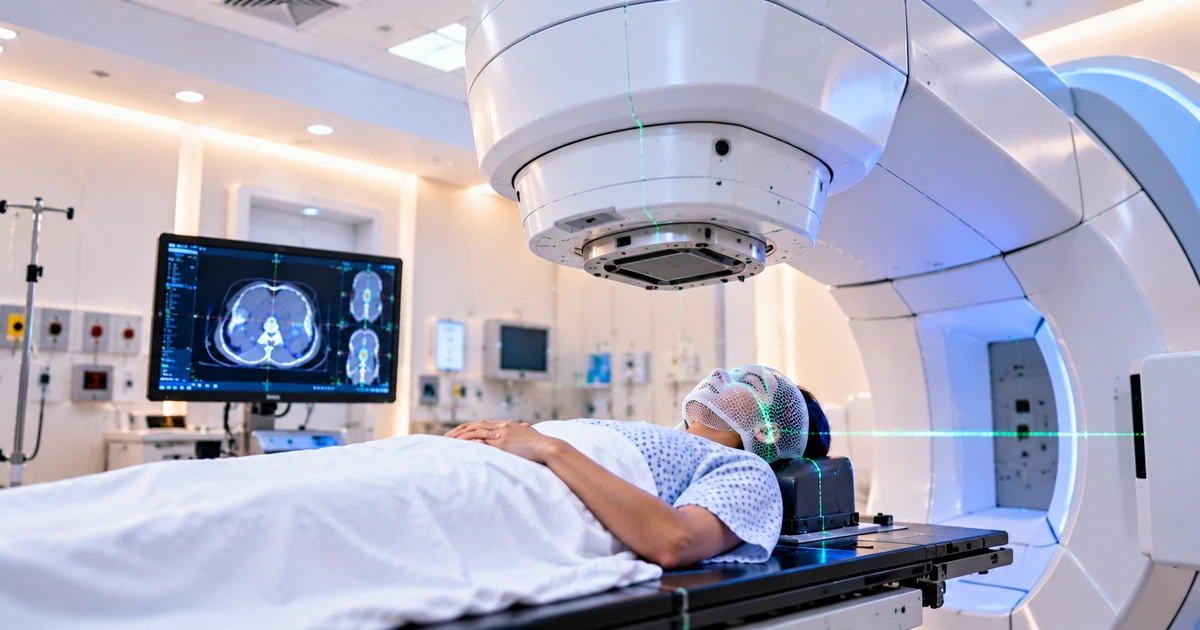
- External beam radiation to the anal region and nearby lymph nodes
- Given together with specific chemotherapy drugs that make cancer cells more sensitive to radiation
- Usually aims to cure the disease without removing the anus
- Surgery (Selected Situations)
- Used if:
- The tumour is very small and superficial (local excision), or
- The cancer does not fully respond to chemoradiation, or
- There is recurrence after initial treatment
- In more advanced or persistent cases, an abdominoperineal resection (APR) may be needed, in which the anus and rectum are removed and a permanent colostomy is created.
- Systemic Therapies for Advanced or Recurrent Disease
- Chemotherapy for disease that has spread beyond the local region
- Immunotherapy and targeted therapy for selected patients with advanced or metastatic anal carcinoma, based on tumour biology and guidelines
- Supportive & Rehabilitation Care
- Pain management, skin care during radiation, nutrition & infection prevention
- Stoma care training if colostomy is required
- Psychological and sexual health support
At Onco Life, all treatment decisions are discussed by a multidisciplinary team, ensuring that your plan is not just effective but also respectful of your quality of life.
Chemoradiation Therapy
For most patients with squamous cell anal carcinoma, the first line of treatment is chemoradiation — radiation therapy combined with specific chemotherapy drugs.
- Radiation targets the tumour and nearby nodes.
- Chemotherapy (usually given in cycles during radiation) enhances the effect of radiation on cancer cells.
- Many patients experience tumour shrinkage over weeks to months, and a complete response can occur without surgery.
During this period, there may be side effects like skin irritation, diarrhoea, fatigue or discomfort, but the team at Onco Life will work closely with you to manage these and keep you as comfortable as possible.
Surgical Options for Anal Cancer
Surgery still plays an important role in certain scenarios:
- Local excision
- For very small, early-stage tumours in select locations
- Removes the tumour with a margin of healthy tissue, preserving the anal sphincter
- Abdominoperineal resection (APR)
- Major surgery used when:
- Chemoradiation does not completely clear the tumour, or
- Cancer returns after initial treatment
- Involves removing the anus and rectum and creating a permanent colostomy (an opening in the abdomen for stool to pass into a bag)
At Onco Life, such decisions are made only after careful discussion with you and your family, with full counselling about what to expect and how we will support you post-surgery.
Immunotherapy and Targeted Therapy
For some patients with advanced, metastatic, or recurrent anal cancer, newer treatments such as immunotherapy (which helps the immune system recognise and attack cancer cells) or targeted therapy (drugs aimed at specific molecular changes in the tumour) may be considered, depending on eligibility and latest evidence.
These options are usually used after standard chemoradiation, or when standard treatments are no longer effective, and are considered on a case-by-case basis.
Government Scheme Coverage and Booking a Consultation at Onco-Life
Onco-Life Cancer Centre is empanelled with MJPJAY (Mahatma Jyotirao Phule Jan Arogya Yojana) for eligible Maharashtra residents, Ayushman Bharat (PM-JAY), and CGHS. Anal cancer surgery, radiation therapy, concurrent chemoradiation, and related diagnostic services may be covered for eligible patients. Eligibility criteria apply.
Medically reviewed by Dr. Sunil Patil, M.B.B.S., M.S. (General Surgery), Consultant Surgical Oncologist, Onco-Life Cancer Centre. Last reviewed: May 2026.
Disclaimer: The information on this page is for general health education only. It does not constitute medical advice. If you have noticed any persistent anorectal symptom, please consult a qualified doctor or oncologist for evaluation. You should not feel embarrassed about seeking medical attention for anal or rectal symptoms – doctors evaluate these routinely. Individual outcomes depend on many clinical factors.