
11 Potential Factors to Consider for Reducing Cancer Risk
Introduction
Cancer is a complex disease resulting from the uncontrolled growth and spread of abnormal cells. It arises when the delicate process of cell replication is disrupted, leading to genetic mutations. Understanding the factors that influence this disruption is key to reducing personal risk. While the body is constantly working to repair or destroy mutated cells, certain lifestyle and environmental factors can increase the likelihood of these abnormal cells developing into cancer.
There are three key categories of factors that contribute to cancer development [1]:
- Random Genetic Mutation: Mutations that occur spontaneously during the millions of cell divisions that happen every day. Research suggests that this may account for a substantial proportion of cancer cases [2].
- Environmental and Lifestyle Factors: Exposure to specific substances or lifestyle choices (known as carcinogens) that can damage DNA.
- Hereditary Factors: Inherited genetic mutations that increase susceptibility to cancer.
The International Agency for Research on Cancer (IARC) lists a variety of known and probable human carcinogens, ranging from tobacco smoke and radioactive substances to certain chemicals and chronic infections [3].
Potential Lifestyle and Environmental Risk Factors
Here is a list of potential factors that research has associated with an increased risk of cancer, emphasizing that these associations do not imply absolute causation:
Aromatic Products: Scented Candles and Incense Sticks
- Scented Candles: While most modern candles avoid Paraffin wax, a known carcinogen, some scented candles release chemicals like benzene and toluene when burned [4]. Regular, prolonged use in poorly ventilated spaces could lead to a buildup of these volatile organic compounds, potentially increasing respiratory risks over time.
- Incense Sticks: A 2008 prospective cohort study involving over 61,000 individuals in Singapore found an association between long-term, high-frequency use of incense and an increased risk of squamous cell carcinoma of the respiratory tract [5]. The smoke from burning incense contains particulate matter and polycyclic aromatic hydrocarbons (PAHs), similar to other forms of smoke [5]. Occasional use is unlikely to pose a significant risk, but habitual, daily exposure is best minimized.
Oral Hygiene and Periodontal Health
- Improper Oral Hygiene: Research has explored the link between chronic periodontal (gum) diseases and cancer risk. A 2018 study published in the Journal of the National Cancer Institute suggested that a history of periodontal disease was associated with a higher risk of developing both lung and colorectal cancer [6]. This association may be due to chronic inflammation and the presence of specific oral bacteria [6]. Maintaining proper teeth and gum care through regular brushing, flossing, and professional check-ups is important for overall health.
Exposure to Artificial Light at Night
- Sleeping with the TV On: Artificial light exposure at night, particularly blue light, can suppress the production of the hormone melatonin [7]. Melatonin has oncostatic (tumor-suppressing) properties, and some observational studies have suggested a link between light-at-night exposure and an increased risk of certain hormone-sensitive cancers, specifically breast and prostate cancer [7], [8]. The evidence suggests minimizing light exposure, especially from screens, during sleep hours is a prudent health practice.
Exposure to Fuel Vapours
- Pumping Petrol or Diesel: Fossil fuels contain known carcinogens. During refueling, volatile organic compounds, including benzene, are released into the air as fuel vapours [3]. Chronic, high-level occupational exposure to these vapours is a known risk factor, but the risk from brief, intermittent public exposure is considered low for the general population [3]. It is advisable to minimize direct inhalation of fuel vapours during the process.
Chronic Stress and Health Consequences
- Stress: Current scientific consensus suggests that psychological stress does not directly cause cancer [9]. However, chronic stress can lead to unhealthy coping behaviours (like smoking, poor diet, or excessive alcohol intake) and trigger physiological changes (such as persistent elevated inflammation, blood pressure, or blood sugar) that are, in themselves, linked to increased cancer risk [9], [10]. Managing stress through exercise, proper sleep, and mindfulness is beneficial for overall health and cancer prevention.
Dietary Choices
- Avoiding Fruits and Vegetables: A diet consistently low in fruits and vegetables—which are rich in fiber, vitamins, and antioxidants—is associated with an increased risk of several cancers, including those of the digestive tract [11]. The World Cancer Research Fund recommends a diet rich in whole grains, vegetables, fruits, and beans as a key strategy for cancer prevention [11].
- Eating Too Much Rice: Rice can absorb inorganic arsenic, a known human carcinogen (Group 1) [3]. The level of arsenic varies significantly based on the region and how the rice is grown [12]. While excessive consumption over a lifetime may increase risk, the primary health guidance is to not eliminate rice but to prepare it properly (e.g., rinsing) and maintain a varied diet to limit exposure to any single food source [12].
- Not Drinking Enough Water: While water is essential for general health, a specific, direct link between low water intake and cancer is primarily noted for bladder cancer [13]. Adequate hydration ensures frequent urination, which helps dilute and flush out potential carcinogens that accumulate in the bladder lining, thus potentially reducing contact time [13].
Supplement Overconsumption
- Taking Too Many Supplements: For individuals who are not deficient, taking high doses of some dietary supplements may actually increase cancer risk [14]. For example, a study from the University of Colorado Cancer Center reinforced evidence that excessively high doses of beta-carotene supplements, well above the recommended daily limit, were linked to an increased risk of lung cancer in smokers and asbestos workers [14]. Supplements should only be taken as advised by a healthcare professional and within the prescribed daily limit.
Parabens in Cosmetics
- Using Makeup That Contains Parabens: Parabens are a class of preservatives used in cosmetics. Research has shown that parabens can be absorbed through the skin and may possess weak estrogen-like properties (endocrine disruption) [15]. A 2004 study in the Journal of Applied Toxicology detected traces of parabens in breast cancer tumors, suggesting accumulation; however, this study did not establish a causal link between paraben use and breast cancer development [15]. While the overall evidence for a direct causal link is considered limited, many consumers choose paraben-free products out of precaution.
Conclusion and Medical Advisory
It is important not to panic over brief or occasional exposure to these factors. The development of cancer is a complex process influenced by a combination of genetics, chance, and cumulative lifestyle and environmental exposures over many years. Focusing on comprehensive lifestyle changes—such as maintaining a healthy weight, avoiding tobacco, limiting alcohol, practicing safe sun exposure, and getting vaccinated—offers the most significant and evidence-based approach to cancer risk reduction.
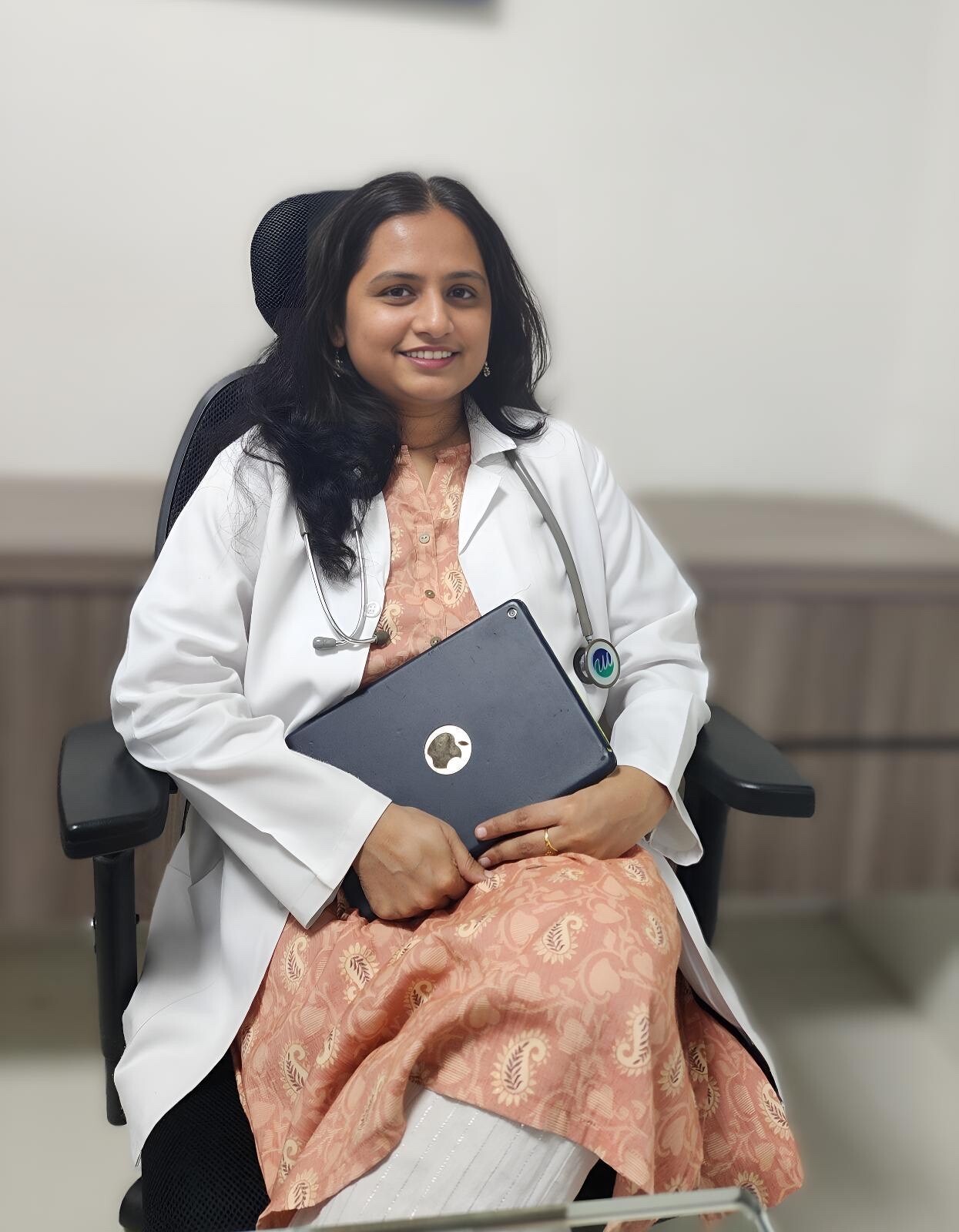
As part of the expert team at Onco Life Cancer Centre, we are committed to delivering comprehensive care that addresses not only cancer but also associated health risks like Human Metapneumovirus (HMPV). If you or your loved ones have concerns about HMPV, respiratory health, or any other oncology-related issues, we are here to provide expert guidance and specialized support.
References
[1] National Cancer Institute. (2023). Causes of Cancer. Retrieved from
https://www.cancer.gov/about-cancer/causes-prevention/risk
[2] Tomasetti, C., Li, L., & Vogelstein, B. (2017). Stem cell divisions, somatic mutations, cancer etiology, and cancer prevention. Science, 355(6331), 1330–1334. Retrieved from
https://www.science.org/doi/10.1126/science.aaf9011
[3] International Agency for Research on Cancer. (n.d.). Agents Classified by the IARC Monographs. Retrieved from
https://monographs.iarc.who.int/agents-classified-by-the-iarc/
[4] Lau, C., Fiedler, H., & Zündorf, I. (1997). Emissions from scented candles: A source of indoor air pollution. Indoor Air, 7(4), 282–289. Retrieved from
https://onlinelibrary.wiley.com/doi/abs/10.1111/j.1600-0668.1997.t01-1-00007.x
[5] [The original source was a 2008 study in Singapore] Friborg, J., Yuan, J.-M., Wang, R., Gao, Y.-T., & Yu, M. C. (2008). Incense use and risk of squamous cell carcinoma of the respiratory tract in Singapore. Cancer, 113(7), 1718–1725. Retrieved from
https://acsjournals.onlinelibrary.wiley.com/doi/full/10.1002/cncr.23752
[6] [The original source was a 2018 study in JNCI] Ahn, J., Segers, D., Hayes, R. B., Agurs-Collins, T., Gunter, M. J., Church, T. R., & Purdue, M. P. (2018). Periodontal disease and risk of lung and colorectal cancer. Journal of the National Cancer Institute, 110(8), 849–859. Retrieved from
https://academic.oup.com/jnci/article/110/8/849/4859067
[7] [The original source was an Environmental Health Perspectives analytic article] Stevens, R. G. (2010). Light-at-night, disruption of the circadian system, and cancer: A summary of the evidence and associated public health issues. Environmental Health Perspectives, 118(11), 1588–1592. Retrieved from [suspicious link removed]
[8] Haim, A., & Portnov, B. A. (2013). Light at night (LAN) as a risk factor for human breast and prostate cancers. International Journal of Occupational and Environmental Health, 19(2), 143–154. Retrieved from
https://www.tandfonline.com/doi/full/10.1179/1077352513Z.00000000049
[9] American Cancer Society. (2020). Stress and Cancer. Retrieved from
[10] Reiche, E. M., Nunes, S. O., & Morimoto, H. K. (2004). Stress, depression, the immune system, and cancer. Lancet Oncology, 5(10), 617–625. Retrieved from
https://doi.org/10.1016/S1470-2045(04)01556-9
[11] World Cancer Research Fund / American Institute for Cancer Research. (2018). Diet, nutrition, physical activity and cancer: a global perspective. Retrieved from
https://www.wcrf.org/dietandcancer/
[12] European Food Safety Authority. (2009). Scientific Opinion on Arsenic in Food. EFSA Journal, 7(10), 1351. Retrieved from
https://www.efsa.europa.eu/en/efsajournal/pub/1351
[13] Turesky, R. J., & Le Marchand, L. (2011). Metabolism and epidemiology of the food-derived carcinogen 2-amino-1-methyl-6-phenylimidazo[4,5-b]pyridine (PhIP). Molecular Nutrition & Food Research, 55(2), 273–282. Retrieved from
https://onlinelibrary.wiley.com/doi/abs/10.1002/mnfr.201000570
[14] [The original source was a University of Colorado Cancer Center announcement regarding the use of supplements] University of Colorado Cancer Center. (2015). Dietary supplements: Can they increase cancer risk? Retrieved from
https://news.cuanschutz.edu/cancer-center/dietary-supplements-can-they-increase-cancer-risk
[15] [The original source was the 2004 study in JAT] Darbre, P. D., Aljarrah, A., Miller, W. R., Coldham, N. G., Sauer, M. J., & Pope, G. S. (2004). Concentrations of parabens in human breast tumours. Journal of Applied Toxicology, 24(1), 5–13. Retrieved from
https://onlinelibrary.wiley.com/doi/abs/10.1002/jat.958
Disclaimer
The information provided in this blog post is for informational purposes only and is not intended to be a substitute for professional medical advice, diagnosis, or treatment. Always seek the advice of a qualified healthcare provider with any questions you may have regarding a medical condition or health concern. Never disregard professional medical advice or delay in seeking it because of something you have read here.
Frequently Asked Questions (FAQs)
blog 11 Potential Factors to Consider for Reducing Cancer Risk
What Is The Most Significant Preventable Risk Factor For Cancer?
The most significant preventable risk factor for cancer is smoking (tobacco use), which is linked to at least 14 different types of cancer [11]. Maintaining a healthy body weight and avoiding excessive alcohol consumption are also high-impact preventive measures.
Are There Foods That Can "Cure" Cancer?
A: No, there are no specific foods or diets that can cure cancer. However, a balanced diet rich in fruits, vegetables, and whole grains, combined with professional medical treatment, is crucial for supporting overall health during and after cancer treatment.
How Often Should I Get Cancer Screenings?
A: The recommended frequency and type of cancer screening (e.g., mammograms, colonoscopies, Pap tests) depend on your age, gender, family history, and personal risk factors. You should consult with your healthcare provider to establish a personalized screening schedule based on established clinical guidelines.