Onco Life Hospitals

Blood in the urine, the most common early sign of bladder cancer, often brings patients in Mumbai to a urologist first. But effective bladder cancer treatment in Mumbai, once confirmed on cystoscopy and biopsy, requires a team that goes well beyond urological surgery. Non-muscle invasive cases need skilled endoscopic resection followed by intravesical BCG or chemotherapy, with regular surveillance cystoscopy. Muscle invasive cases require major surgery, neoadjuvant chemotherapy, or bladder-preserving trimodality treatment combined with modern immunotherapy in advanced disease. Getting the full specialist team in place from the start has a direct impact on both outcomes and quality of life.

At Onco-Life Cancer Centre, bladder cancer patients from Mumbai have access to a coordinated team: a surgical oncologist experienced in TURBT and radical cystectomy, a medical oncologist for systemic chemotherapy and immunotherapy, and a radiation oncologist for patients who are candidates for bladder preservation through trimodality therapy. Every case is reviewed at our multidisciplinary Tumour Board before any treatment begins, so the right approach is chosen for the right patient at every stage of their disease.

Why Mumbai Patients Choose Onco-Life for Bladder Cancer Treatment

A Full Bladder Cancer Team, Not Only Surgical Care

Most bladder cancer pages from Mumbai hospitals focus on surgery alone. But bladder cancer management now spans medical oncologists for chemotherapy and immunotherapy, radiation oncologists for trimodality bladder preservation, and surgical oncologists for endoscopic resection and radical surgery. At Onco-Life, all three work as one team from the first consultation. Mumbai patients do not need to see separate specialists at different facilities. Every aspect of care is coordinated in one place, reducing delays and preventing gaps in the treatment sequence.

Accurate Staging with PET-CT, CT Urography, and Repeat TURBT

Accurate staging determines the entire treatment pathway in bladder cancer. We use CT urography and PET-CT for staging and detection of lymph node or distant metastases. Flexible cystoscopy and biopsy confirm the diagnosis and grade. TURBT itself provides the definitive staging specimen, including a deep muscle biopsy to determine whether invasion is present. For T1 high-grade tumours, a second-look re-TURBT is performed six to eight weeks after initial resection to confirm staging accuracy before BCG therapy or cystectomy is planned.

Three NABH Accreditations and National Cancer Grid Affiliation

Our three NABH (National Accreditation Board for Hospitals and Healthcare Providers) accreditations, uncommon for a dedicated oncology network in Maharashtra, reflect consistent clinical standards across diagnostics, treatment, and patient safety. Our National Cancer Grid (NCG) affiliation connects our team to Tata Memorial Hospital specialists, where complex or borderline cases are reviewed through virtual multidisciplinary consultations. Mumbai patients benefit from this expert input as a standard part of their care.

Bladder Cancer Treatment Services at Onco-Life

TURBT: Transurethral Resection of Bladder Tumour

TURBT is both the definitive staging procedure and the primary treatment for non-muscle invasive bladder cancer. Our surgical oncologists perform complete endoscopic resection of the visible tumour with a deep muscle biopsy under anaesthesia. For T1 high-grade tumours where the initial resection may be incomplete or the muscle layer is absent in the specimen, a planned re-TURBT at six to eight weeks confirms staging accuracy and ensures complete resection before the subsequent treatment, whether BCG or radical surgery, is initiated.

Intravesical BCG Therapy and Intravesical Chemotherapy

For high-risk non-muscle invasive bladder cancer, intravesical BCG (Bacillus Calmette-Guérin) immunotherapy following TURBT is the standard treatment. BCG is instilled directly into the bladder through a catheter, stimulating a local immune response against residual cancer cells. The standard protocol runs induction weekly for six weeks, followed by maintenance installations at three, six, twelve, eighteen, and twenty-four months, all coordinated with regular surveillance cystoscopy. For intermediate-risk cases or BCG-ineligible patients, intravesical chemotherapy with mitomycin C or gemcitabine is used. BCG failure, confirmed on surveillance cystoscopy, triggers re-evaluation for cystectomy or systemic immunotherapy.

Radical Cystectomy and Urinary Reconstruction

For muscle invasive bladder cancer and for BCG-unresponsive high-risk non-muscle invasive disease, radical cystectomy is the standard surgical treatment. The entire bladder and regional lymph nodes are removed. In men, the prostate and seminal vesicles are typically included. In women, the uterus and anterior vaginal wall are removed depending on tumour location. Urinary reconstruction is planned individually and may involve an ileal conduit, a continent urinary reservoir, or an orthotopic neobladder that allows voiding through the native urethra. Reconstruction options and their implications for daily life are discussed in detail with each patient and their family before surgery.

Neoadjuvant Chemotherapy Before Radical Cystectomy

For fit patients with muscle invasive bladder cancer, cisplatin-based neoadjuvant chemotherapy before radical cystectomy improves overall survival compared to surgery alone. Our medical oncologists administer gemcitabine and cisplatin (GC) or dose-dense MVAC as neoadjuvant treatment. For patients who cannot tolerate cisplatin, carboplatin-based regimens are considered. Neoadjuvant chemotherapy is sequenced tightly with the surgical team so that surgery follows on schedule without delay.

Trimodality Therapy: Bladder-Preserving Treatment for MIBC

For selected patients with muscle invasive bladder cancer who wish to preserve their bladder, or who are not fit for major surgery, trimodality therapy (TMT) is an established, guideline-supported alternative to radical cystectomy. TMT combines maximal TURBT to remove as much tumour as possible, followed by concurrent chemotherapy and external beam radiation to the bladder. Our radiation oncologists deliver IMRT with precise field planning, protecting adjacent structures while treating the bladder wall. Response is assessed by cystoscopy after completion of chemoradiation. Salvage cystectomy is available if the response is insufficient.

Immunotherapy and Systemic Treatment for Advanced Bladder CancerS

For locally advanced or metastatic urothelial carcinoma, the treatment standard has changed substantially. Enfortumab vedotin combined with pembrolizumab is now a first-line standard for eligible patients, with significant improvements in response and survival over chemotherapy alone. Pembrolizumab is also available for BCG-unresponsive non-muscle invasive disease. Nivolumab is used as adjuvant therapy after radical cystectomy in patients at high risk of recurrence. For tumours with FGFR2 or FGFR3 alterations, erdafitinib is a targeted treatment option. Standard platinum-based chemotherapy with gemcitabine and cisplatin or carboplatin remains in use for patients not eligible for ADC-based regimens. Each systemic treatment decision is based on disease stage, molecular profile, prior treatment history, and patient fitness.

Palliative Care and Supportive Services

For advanced or metastatic bladder cancer where curative treatment is not possible, our palliative care team provides pain management, urinary symptom control, nutritional support, and psychological counselling. These services are built into the care plan from the start and continue throughout every phase of treatment.

Meet Our Bladder Cancer Specialist Team

Our specialists serving Mumbai patients include:

Visit our specialist page to view full profiles or call to speak with a specialist before your first visit.

Dr. Siddhesh Tryambake

M.B.B.S., M.D., D.N.B., DrNB

Consultant Clinical & Radiation Oncologist

Onco-Life Cancer Centre, Satara & T.G.H. Onco-Life Cancer Centre, Pune

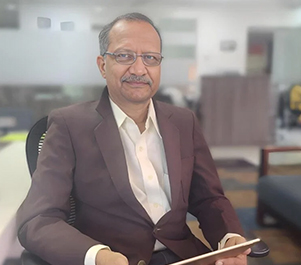
Dr. Sunil Patil

MBBS, MS (General Surgery)

Senior Consultant – Surgical Oncology

Onco-Life Cancer Centre, Satara

Veteran Surgical Oncologist with 23+ Years of Experience

Accessing Onco-Life Cancer Centre from Mumbai

Nearest Centre: Talegaon Dabhade (70-75 km from Mumbai)

Our Talegaon Dabhade centre is 70-75 km from Mumbai via the Mumbai-Pune Expressway, offering the full range of bladder cancer services including surgery, intravesical therapy, chemotherapy, and radiation.

Telemedicine Consultation

Cannot travel for the first visit? Share your cystoscopy report, biopsy results, CT scan, and urine cytology with our team digitally. The specialist reviews everything and advises what is needed before you make the trip.

Accommodation Arrangements

For patients requiring multi-day surgical admissions or radiation courses, affordable accommodation near our Talegaon centre is arranged by our patient coordinators alongside treatment scheduling.

Bladder Cancer Treatment Costs and Financial Support in Mumbai

At Onco-Life, written cost estimates are provided before any treatment begins, with no hidden charges. Patients eligible under MJPJAY (Mahatma Jyotiba Phule Jan Arogya Yojana) and PM-JAY (Ayushman Bharat) receive covered treatment packages including TURBT, surgery, chemotherapy, and radiation at zero direct out-of-pocket cost. Our Arogya Mitra coordinators verify eligibility and complete pre-authorisation paperwork before treatment starts, so financial concerns do not delay care.

Frequently Asked Questions

Best Bladder Cancer Treatment Specialist in Mumbai-FAQs

Who is the best bladder cancer specialist in Mumbai?

Onco-Life Cancer Centre provides full multidisciplinary bladder cancer care with a surgical oncologist, medical oncologist, and radiation oncologist working as a coordinated team. Our National Cancer Grid affiliation with Tata Memorial Hospital, three NABH accreditations, and Tumour Board-reviewed treatment plans make us a trusted choice for Mumbai patients across all stages of bladder cancer.

What is the treatment for bladder cancer in Mumbai?

Non-muscle invasive bladder cancer is treated with TURBT followed by intravesical BCG or chemotherapy. Muscle invasive bladder cancer is treated with radical cystectomy, usually preceded by neoadjuvant chemotherapy, or with bladder-preserving trimodality therapy for selected patients. Advanced or metastatic bladder cancer is managed with immunotherapy including enfortumab vedotin plus pembrolizumab, systemic chemotherapy, or targeted therapy for FGFR-altered tumours.

Is bladder preservation possible for muscle invasive bladder cancer?

Yes, for selected patients. Trimodality therapy, combining maximal TURBT with concurrent chemoradiation, is an established bladder-preserving treatment for muscle invasive bladder cancer. Eligibility depends on tumour characteristics, kidney function, and overall fitness. Our team assesses each patient individually to determine whether bladder preservation or radical cystectomy offers the better outcome.

Do I need a referral to see a bladder cancer specialist at Onco-Life?

No referral is needed. Book directly with your cystoscopy report, biopsy result, CT scan, or urine cytology. If no investigations have been done yet, we arrange the complete diagnostic workup from the initial consultation.


Book Your Consultation Today

Bladder cancer is most successfully managed when the full treatment team is involved from the first visit, not added in later as the disease progresses. Whether you have a new diagnosis, a BCG failure, or a muscle invasive tumour, contact Onco-Life today. Our team will review your reports, answer every question clearly, and put a coordinated treatment plan in place.

Ready to take the next step?

Call Talegaon (Nearest to Mumbai): 8128124067, 8128123067

Call Pune / Wagholi: 8128124067, 8128123067

Call Satara: 02162-350063, 7769004343, 7030362222

Call Chiplun: 7378958000, 9404240762

Book Online: https://oncolifehospitals.com/book-doctor-appointment/

Telemedicine Consultation: Speak with a bladder cancer specialist online

Email: [YOUR EMAIL HERE]

Cancer Types We Treat