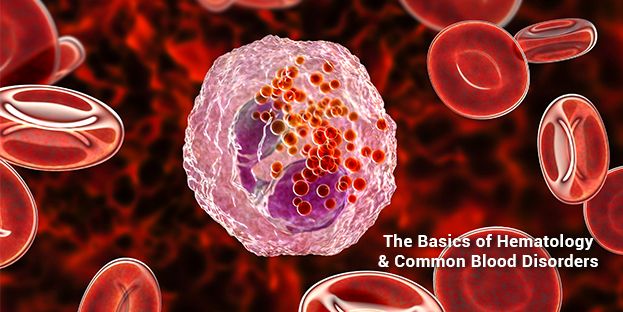
Hematology is a vital branch of medicine dedicated to the study of blood, blood-forming organs, and blood-related disorders. While conditions like leukemia (blood cancer) often receive the most attention, hematology encompasses a wide spectrum of both malignant and non-malignant conditions that affect the red blood cells, white blood cells, platelets, and the bone marrow. At Onco Life Cancer Centre, we provide comprehensive hematological care, ranging from diagnostic PET-CT imaging to advanced treatment for blood-based malignancies [1].
What Exactly is Hematology?
Hematology is the study of human blood and its components. The primary objective of a hematologist is to diagnose and manage disorders affecting:
- White Blood Cells: Crucial for fighting infections.
- Red Blood Cells: Responsible for carrying oxygen throughout the body.
- Platelets: Essential for blood clotting and wound healing.
- Bone Marrow & Lymphatic System: The “factories” where blood cells are produced and filtered.
A specialist in this field, known as a hematologist, works to identify abnormalities in blood cell production or function and develops a personalized treatment plan based on the patient’s specific diagnostic profile [2].
Common Blood Disorders
The study of blood is applied to a variety of conditions. Below are some of the most frequently diagnosed blood disorders:
Anemia: Oxygen Delivery Deficiencies
Anemia is one of the most widespread blood disorders globally. In India, the prevalence of anemia remains high, particularly among women and children, often driven by nutritional deficiencies or chronic diseases [3]. It occurs when the body lacks enough healthy red blood cells or hemoglobin to transport oxygen effectively to tissues.
- Symptoms: Persistent fatigue, weakness, and shortness of breath.
- Causes: Iron or vitamin deficiencies, intestinal issues, or underlying chronic illnesses.
- Treatment: Management is cause-specific and may range from iron supplementation and dietary adjustments to, in severe cases, erythropoiesis-stimulating agents or blood transfusions [4].
Bleeding Disorders: Clotting Inefficiency
A bleeding disorder occurs when the blood’s natural ability to clot is impaired, leading to prolonged or excessive bleeding. Conditions like Hemophilia are typically caused by a deficiency in specific blood-clotting factors (such as Factor VIII or IX) [5].
- Symptoms: Frequent nosebleeds, easy bruising, and prolonged bleeding from minor cuts.
- Standard of Care: While blood transfusions were historically common, modern treatment typically involves “replacement therapy”—infusing missing clotting factor concentrates to allow the blood to clot normally [5].
Leukemia: Malignant Blood Cells
Leukemia is a type of cancer that begins in the bone marrow and results in the overproduction of abnormal white blood cells [6]. Unlike many other cancers, leukemia does not typically form solid “tumors”; instead, these abnormal cells crowd out healthy blood cells in the bone marrow and circulate through the bloodstream [2].
- Impact: This crowding leads to a weakened immune system, anemia, and easy bleeding.
Treatment: Depending on whether the leukemia is acute or chronic, treatments may include chemotherapy, targeted therapy, or bone marrow transplantation.
Clinical Excellence at Onco Life Cancer Centre
The clinical hematology services provided at Onco Life Cancer Centre address the complexities of both benign and malignant blood disorders. Our multidisciplinary team integrates advanced pathology and radiation oncology to provide targeted interventions for every patient. Whether managing nutritional anemia or complex leukemia, our priority is clinical accuracy and evidence-based care tailored to the resident populations of Pune, Satara, and surrounding regions.
Disclaimer
This content is for informational purposes only and does not substitute for professional medical advice, diagnosis, or treatment. Blood disorders can be complex and life-threatening; always seek the advice of a qualified hematologist or healthcare provider regarding any medical condition or symptoms.
References
- Abeer Medical Group. (2022, December 12). Most common hematologic disorders list.
https://www.abeergroup.com/ksa/HealthBlog/common-hematologic-disorders-list.html
- Mayo Clinic. (2024, December 20). Leukemia – Symptoms and causes.
https://www.mayoclinic.org/diseases-conditions/leukemia/symptoms-causes/syc-20374373
- Jeevan, J., et al. (2025). Prevalence of anemia in India: A systematic review, meta-analysis and geospatial analysis. BMC Public Health.
https://www.researchgate.net/publication/390494435_Prevalence_of_anemia_in_India_a_systematic_review_meta-analysis_and_geospatial_analysis
- World Health Organization (WHO). (2025, February 10). Anaemia.
https://www.who.int/news-room/fact-sheets/detail/anaemia
- Centers for Disease Control and Prevention (CDC). (2024, November 13). Treatment of hemophilia.
https://www.cdc.gov/hemophilia/treatment/index.html
- MedlinePlus. (2023, November 9). Leukemia.
https://medlineplus.gov/leukemia.html
Frequently Asked Questions (FAQs)