Onco Life Hospitals

Role of PET-CT Scans in Cancer Diagnosis: A Clinical Overview

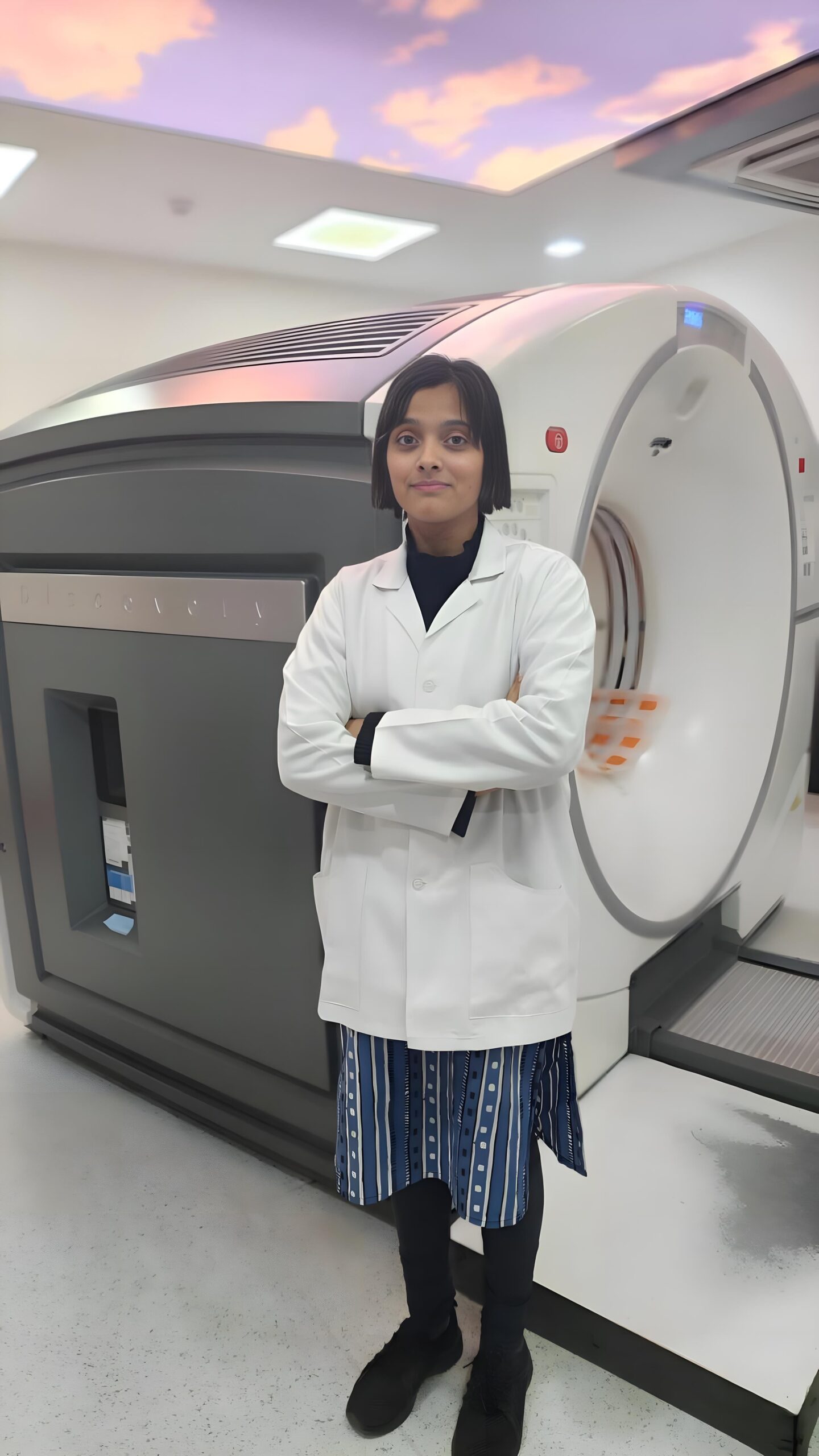
In modern oncology, diagnostic imaging is of utmost importance and plays a key role in the accurate detection and staging of cancer. Positron emission tomography-computed tomography, or PET CT scan, also referred to as pet scan for cancer, is an advanced imaging technique that integrates functional and anatomical data into a single procedure [1]. This technology allows for the integration of two powerful imaging modalities, PET and CT scans, to provide detailed information regarding the presence, location, and metabolic activity of cancerous cells within the body.

Understanding PET-CT Scans

To appreciate the clinical value of this tool, one must understand how its two components work in tandem:

  • PET (Positron Emission Tomography): PET focuses on cellular function [2]. A small quantity of a radiotracer—most commonly Fluorodeoxyglucose (FDG)—is injected into the bloodstream. Since cancer cells often have higher glycolytic rates than normal cells, they take up more tracers. The scanner detects these “hot spots,” highlighting regions with elevated metabolic activity.

  • CT (Computed Tomography): CT scans use X-rays to produce cross-sectional images, providing precise anatomical information on the size, shape, and location of tumors.

The fusion of these two modalities allows oncologists to not only see that a mass exists but to determine if that mass is metabolically active (potentially malignant) or dormant [3].

Advantages of PET-CT in Cancer Diagnosis

PET-CT, also referred to as pet scan cancer, has shifted the paradigm of cancer management by offering superior sensitivity compared to standalone imaging [1]:

  1. Early Detection and Accurate Diagnosis: Pet CT scan are sensitive in identifying metabolic changes at a molecular level, often before structural changes are visible on a standard CT or MRI.

  2. Accurate Staging of Cancer: Staging determines the extent of the disease. For instance, in lung cancer, PET-CT has been shown to modify the N (node) stage in up to 25% of patients compared to traditional imaging [4], ensuring they receive the correct surgical or systemic therapy.

  3. Monitoring Treatment Response: Unlike CT scans which only measure tumor size, PET-CT can detect “metabolic response”—a decrease in cell activity that often precedes tumor shrinkage [5]. This allows for faster adjustments to chemotherapy or radiation plans.

  4. Guidance for Biopsy and Surgery: By highlighting the most “active” part of a tumor, PET-CT helps ensure that a biopsy retrieves a viable sample rather than necrotic (dead) tissue.

  5. Early Detection of Recurrence: PET-CT is highly effective in differentiating post-treatment scar tissue from recurrent active cancer cells [3], providing clarity during follow-up.

Clinical Limitations and Considerations

To maintain a balanced view, it is vital to acknowledge that PET-CT is not a “silver bullet” for every scenario:

  • False Positives: Areas of infection or inflammation can also show high tracer uptake, which may lead to false-positive results.

  • Tracer Specificity: While FDG is common, certain cancers (like prostate cancer or certain neuroendocrine tumors) may require specialized tracers like PSMA or DOTATATE for accurate visualization [3].

  • Size Constraints: Lesions smaller than 5mm may fall below the detection threshold of many standard PET scanners.

PET-CT Scan in India

The use of PET-CT scans in clinical practice has greatly improved diagnostic capabilities and patient care outcomes, establishing Onco-Life as a leading provider of ct pet scan cancer services. Onco-Life Cancer Center, with locations in Pune and Mumbai, is equipped with high-resolution PET-CT facilities. The clinical efficacy of an imaging study is highly dependent on the “reading” or interpretation [6]; therefore, our facilities are staffed by skilled nuclear medicine specialists and radiologists to ensure the highest diagnostic accuracy.

PET-CT scan services are available at the following Onco-Life Cancer Center locations:

Conclusion

The role of PET-CT scans in cancer diagnosis is essential at every point of the care continuum—from initial staging to the detection of recurrence. While it is a powerful diagnostic tool, it must be used judiciously based on specific clinical guidelines and the patient’s unique pathology. As technology evolves, including the emergence of whole-body PET systems and AI-assisted interpretation, patient outcomes and survival rates continue to improve.

Disclaimer

This article is for informational purposes only and does not constitute medical advice. PET-CT scans should only be performed when clinically indicated by a qualified oncologist. Always consult with your healthcare provider to discuss the risks and benefits of any diagnostic procedure in the context of your specific health needs.

References

  1. European Society for Hybrid, Molecular and Translational Imaging. (2024). ESR Essentials: Staging and restaging with FDG-PET/CT in oncology—practice recommendations. Insights into Imaging.

    https://pmc.ncbi.nlm.nih.gov/articles/PMC11914360/

  2. Cleveland Clinic. (2022). PET Scan: What It Is, Purpose, Procedure & Results.

    https://my.clevelandclinic.org/health/diagnostics/10123-pet-scan

  3. Molecular Diagnostics and Therapy. (2025). Role of PET CT in Cancer Diagnosis and Staging.

    https://www.molecularit.com/blogs/role-of-pet-ct-in-cancer-diagnosis-and-staging

  4. Scientific Research Publishing. (2015). The role of PET/CT imaging in lung cancer. Journal of Cancer Therapy.

    https://www.scirp.org/journal/paperinformation?paperid=58524

  5. Society of Nuclear Medicine and Molecular Imaging (SNMMI). (2009). 18F-FDG PET and PET/CT in the evaluation of cancer treatment response. Journal of Nuclear Medicine.

    https://jnm.snmjournals.org/content/50/1/88

  6. American College of Radiology (ACR). (2025). Practice Parameter for Performing FDG-PET/CT in Oncology.

    https://gravitas.acr.org/PPTS/DownloadPreviewDocument?ReleaseId=2&DocId=173

Frequently Asked Questions (FAQs)

blog Role of PET-CT Scans in Cancer Diagnosis: A Clinical Overview

Does A Pet-Ct Scan Involve A Lot Of Radiation?

While it does involve exposure to a radiotracer and X-rays, the dose is carefully controlled and considered safe for diagnostic purposes. The clinical benefit of an accurate cancer stage usually far outweighs the risks of the radiation dose [2].

How Should I Prepare For The Scan?

Most PET-CT scans require you to fast for 4 to 6 hours and avoid strenuous exercise for 24 hours prior. This is to ensure that your body’s glucose levels are stable, allowing the radiotracer to be absorbed accurately by potential cancer cells [4].

Can A Pet-Ct Scan Replace A Biopsy?

Generally, no. While a PET-CT is highly suggestive of cancer, a tissue biopsy remains the "gold standard" for confirming the specific type and grade of cancer cells.


Leave a Reply

Your email address will not be published. Required fields are marked *

Latest Post

Newsletter

Signup our newsletter to get free update, news or insight.