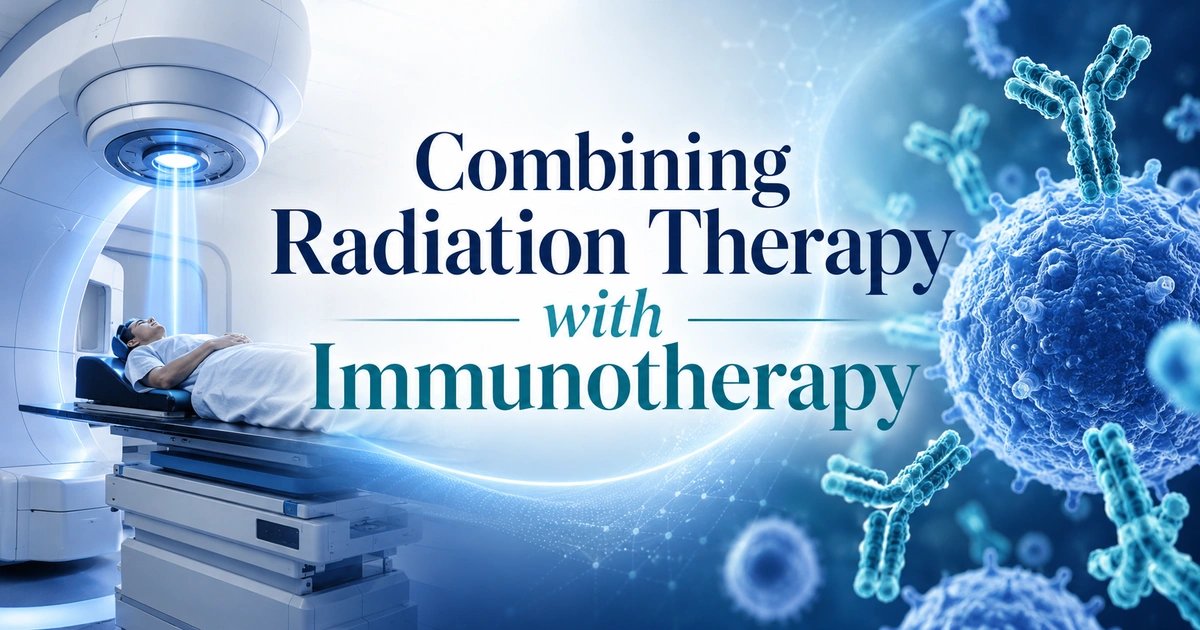
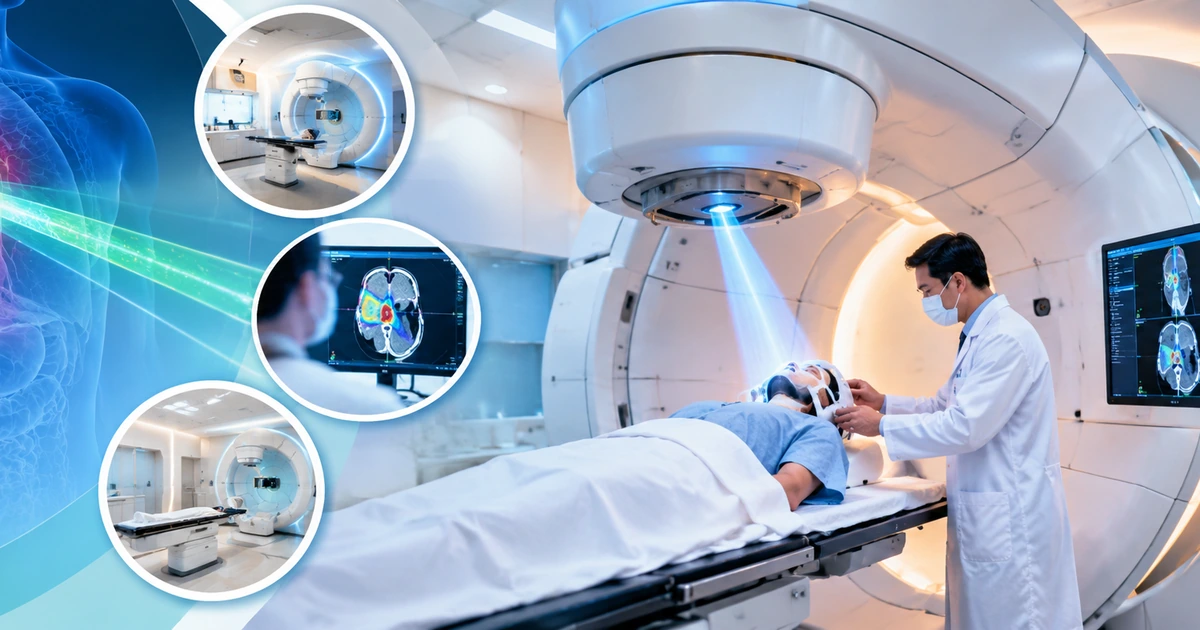
In the relentless fight against cancer, medical researchers and oncologists are continually exploring new therapeutic strategies to enhance efficacy and improve outcomes. One such promising approach is the combination of two critical treatment modalities: radiation therapy and immunotherapy. Both are individually potent, but their combined use is increasingly recognized for its potent synergistic potential in combating various cancers (Postow et al., 2015) [1]. This article delves into how this dynamic duo is reshaping the future of cancer treatment.
Understanding the Two Modalities
Radiation Therapy (RT):
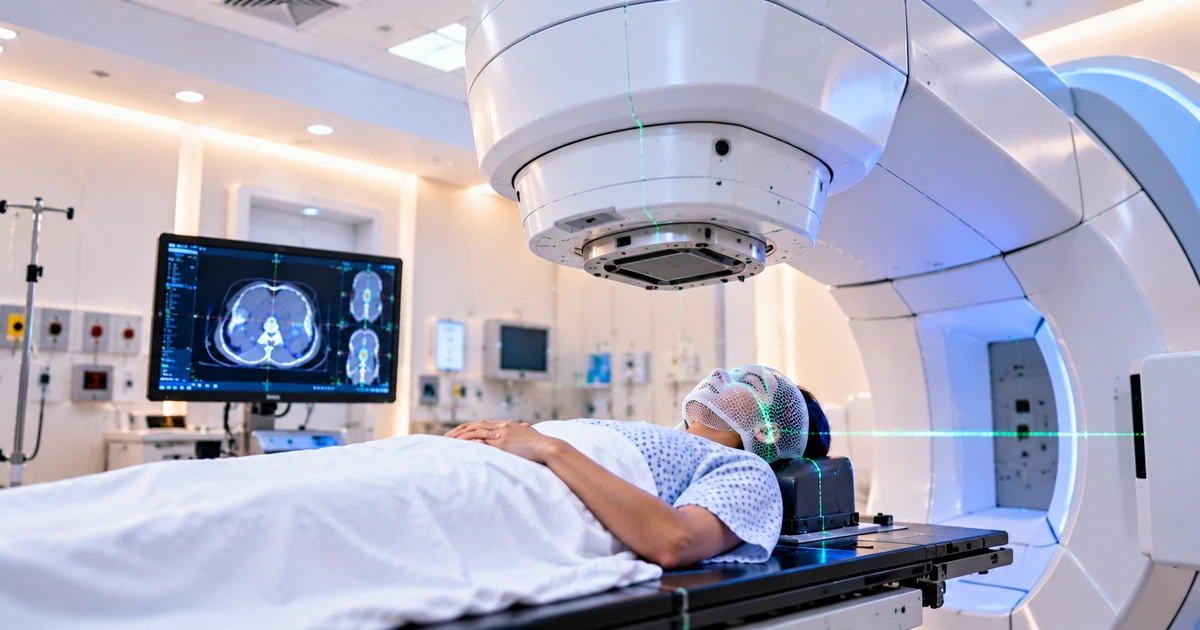
Radiation therapy, or radiotherapy, involves the use of high-energy radiation beams (like X-rays or protons) to target and destroy cancer cells by damaging their DNA. It is a highly effective local treatment instrumental in shrinking tumors, relieving symptoms, and improving survival rates for many cancer patients.
Immunotherapy (IT):
Immunotherapy works by harnessing the body’s own immune system to recognize, attack, and destroy cancer cells. By bolstering or “unleashing” the immune response—often through the use of Immune Checkpoint Inhibitors (ICIs)—immunotherapy can help the body’s natural defenses fight cancer more effectively and systemically.
The Synergistic Mechanism: A Call to Arms
The power of combining RT and IT lies in their ability to work together, transforming the local effects of radiation into a potent systemic anti-tumor immune response.
1. Immunogenic Cell Death:
Radiation-induced cell death is not just destructive; it is immunogenic. When cancer cells die from radiation, they release damage-associated molecular patterns (DAMPs) and tumor-specific antigens. These molecules act as signals, effectively “tagging” the cancer cells for destruction and alerting the immune system to the presence of the tumor (Fucikova et al., 2021) [2].
2. Modulation of the Tumor Microenvironment (TME):
RT can help prepare the tumor microenvironment (TME), making cancer cells more susceptible to immune attack. It does this by increasing the expression of Major Histocompatibility Complex (MHC) molecules and adhesion molecules on the surface of cancer cells, which are necessary for immune cells (T-cells) to recognize and bind to the target [3].
3. The Abscopal Effect:
Perhaps the most exciting synergistic potential is the abscopal effect, where localized radiation treatment leads to the shrinkage of metastatic tumors outside the irradiated field. While rare, this effect is mediated by the robust, systemic anti-tumor T-cell response initiated by the radiation and then amplified by immunotherapy, effectively turning the tumor into an in situ vaccine [1].
Immunotherapy, typically with ICIs, in turn, amplifies the immune response initiated by radiation therapy, removing the “brakes” on the T-cells and allowing them to aggressively target cancer cells both locally and systemically.
Clinical Progress and Considerations
The combined approach of radiation therapy with immunotherapy has shown promising results across various difficult-to-treat cancers, including Stage III non-small cell lung cancer (NSCLC), melanoma, and head and neck cancers. Clinical trials, such as the PACIFIC trial for NSCLC, have demonstrated improved progression-free survival and overall survival for patients treated with a combination compared to single modalities [4].
Important Considerations and Potential Toxicity:
While highly promising, the combination is not without challenges. Cancer is characterized by a high degree of tumor heterogeneity, making customized treatment essential. Furthermore, combining two potent therapies often leads to an increased risk of specific immune-related adverse events (irAEs) or heightened toxicity compared to monotherapy. Careful patient selection, real-time toxicity management, and specialized monitoring by multidisciplinary teams are paramount to achieving safe and effective results (Luke et al., 2017) [5].
For patients considering advanced treatment options, consulting an experienced oncologist is essential for personalized guidance and monitoring.
Conclusion: A New Era of Personalized Oncology
In conclusion, the combination of radiation therapy with immunotherapy represents a transformative and scientifically grounded approach in cancer treatment. By strategically leveraging the power of RT to prime the immune system and the power of IT to sustain the anti-tumor attack, oncologists can offer more effective, targeted, and personalized care. As research advances and technology progresses, continuous clinical exploration will further define the optimal timing, dosing, and patient populations for this powerful combination.
Disclaimer
The content of this blog is for informational purposes only and is not a substitute for professional medical advice, diagnosis, or treatment. Always seek the advice of your qualified healthcare provider with any questions you may have regarding a medical condition. Never disregard professional medical advice or delay in seeking it because of something you have read on this website. Cancer diagnosis and treatment protocols, including radiation therapy and immunotherapy combinations, are complex and highly personalized.
References
- Postow, M. A., Callahan, M. K., Barker, C. A., Yamada, Y., Chan, T. A., & Houghton, A. N. (2015). Immunologic mechanisms of the abscopal effect in response to radiation therapy. Clinical Cancer Research, 21(23), 5434-5440. Contextual Link:
- Fucikova, J., Spisek, R., & Kroemer, G. (2021). The new role of immunogenic cell death in the radiation-induced anti-tumor immune response. Seminars in Radiation Oncology, 31(1), 16-24. Contextual Link:
- Demaria, S., Ng, B., Gemmill, R., & Formenti, S. C. (2018). Harnessing the immunological potential of radiation therapy: From local to systemic effects. Cancer Cell, 33(4), 757-771. Contextual Link:
- Antonia, S. J., Villegas, A., Daniel, D., Massutí, H. A., Polite, H., & de Almeida, J. (2017). Durvalumab after chemoradiotherapy in stage III non-small-cell lung cancer. New England Journal of Medicine, 377(20), 1919-1929. Contextual Link:
- Luke, J. J., Lemons, J. M., Karrison, T. G., Puri, S., & McMiller, T. L. (2017). Safety and efficacy of PD-1 pathway inhibition and radiotherapy in patients with advanced cancer: A phase 1 trial. The Lancet Oncology, 18(9), 1211-1223. Contextual Link:
Frequently Asked Questions (FAQs)