Onco Life Hospitals

Treatment Pathways

Cancer care often feels confusing because patients don’t know what comes next. At Onco-Life, treatment is planned in a clear, step-by-step pathway so you understand

  • What will happen
  • Why it’s being done
  • And what you should prepare

Choose Your Pathway

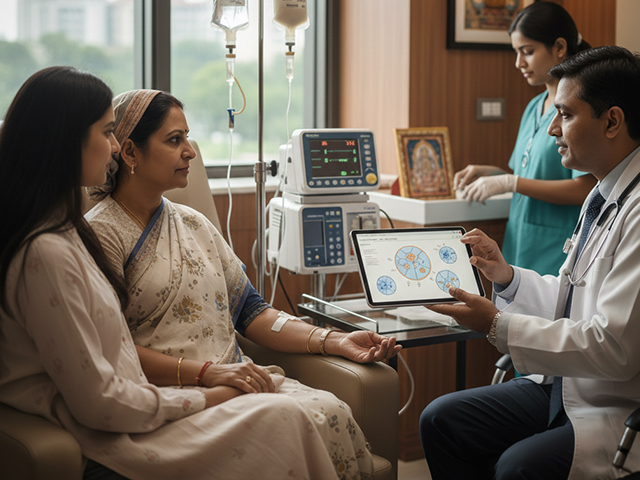
Chemotherapy (Chemo) Pathway

What this page helps with:

Understanding cycles, port vs IV access, common side effects, monitoring, and when to go to Casualty.

Best for patients who are:

  • starting chemo soon
  • already on chemo and want clarity
  • considering second opinion/transfer of care.

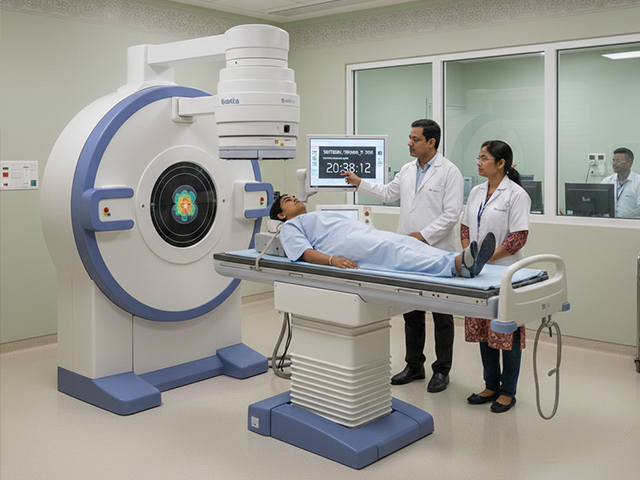
Radiotherapy (Radiation Therapy) Pathway

What this page helps with:

What this page helps with: Understanding planning CT/simulation, daily sessions, side effects by body area, and why “planning time” is important before starting.

Best for patients who are:

  • advised radiation after surgery,
  • advised chemo-radiation,
  • starting a curative radiation course or symptom-control radiation.

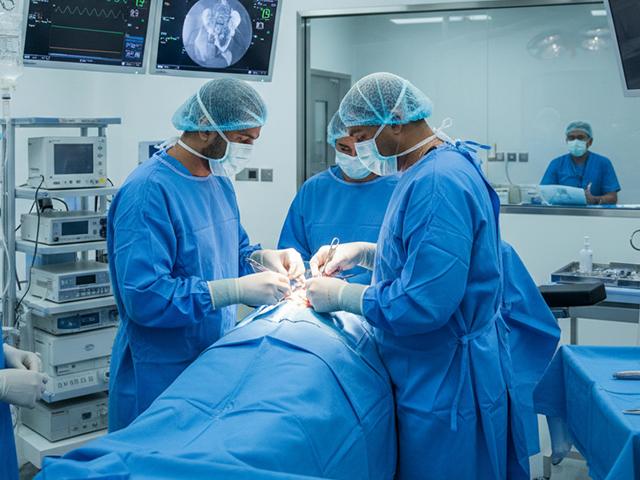
Cancer Surgery
Pathway

What this page helps with:

Understanding pre-op fitness checks, hospital stay expectations, surgical histopathology and why it matters, recovery milestones, and danger signs after surgery.


Best for patients who are:

  • advised surgery as first treatment,
  • planned for surgery after chemo,
  • recovering after surgery and planning next steps.

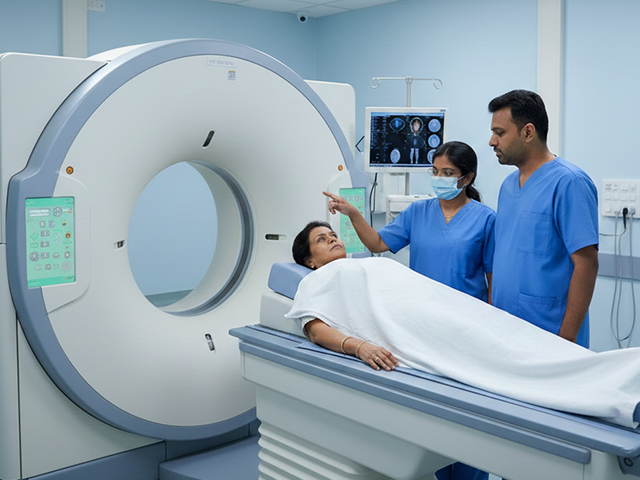
PET-CT (GE Discovery) Pathway

What this page helps with:

Understanding scan preparation (especially diabetes), scan-day flow, report timelines, and how PET-CT fits into staging or response assessment.

Best for patients who are:

  • newly diagnosed and advised PET-CT,
  • on treatment and assessing response,
  • concerned about recurrence and advised imaging.

What to keep ready

To avoid delays, keep one Cancer Folder (paper + phone photos):

  • Biopsy / Histopathology ± IHC reports
  • Scan reports + images (CT/MRI/PET-CT)
  • Blood test reports (CBC/LFT/KFT as available)
  • Current medicines list + allergies
  • Discharge summaries / surgery notes (if any)
  • If already on treatment elsewhere: chemo dates/drugs, radiation summary


This single habit saves time and prevents repeated tests.

Safety first: When to go to Casualty immediately

If you are on treatment or recently treated, go to Casualty immediately for:
  • Fever ≥ 38°C (100.4°F) (especially after chemotherapy)
  • Breathlessness or chest pain
  • Uncontrolled bleeding (vomiting blood, black stools, heavy bleeding)
  • Confusion/fainting/seizure
  • Severe vomiting/diarrhea with weakness or low urine
  • New leg swelling/pain with sudden breathlessness (possible clot)
  • New leg weakness + back pain or bladder/bowel control issues